


Oil spills in the Niger Delta and the daily search for clean water
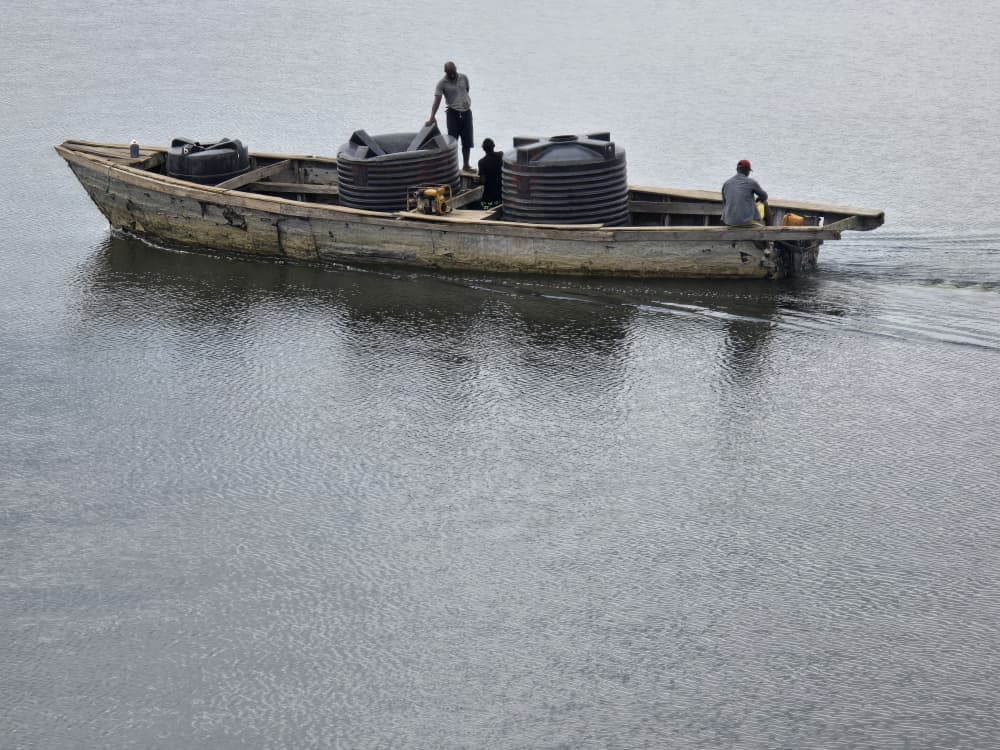
Oil spills have shaped life in the Niger Delta for decades, but their most persistent impact is often felt far from headlines. Across riverine communities in Rivers, Bayelsa and Delta states, polluted creeks and mangrove swamps have forced residents to search for clean water in places surrounded by water. According to Punch, many households now rely on water brought in by boats or trucks, paying high prices for a basic necessity while living beside oil rich waterways.
The problem is not new, but recent spill reports and renewed legal battles over environmental responsibility have brought fresh attention to how oil pollution continues to disrupt daily survival in the region.
A long history of pollution
The Niger Delta has experienced thousands of oil spills since commercial production began in the late 1950s. Causes range from equipment failure and corrosion of ageing pipelines to sabotage and illegal refining. According to data from the National Oil Spill Detection and Response Agency, hundreds of spill incidents are recorded annually, although experts say underreporting remains a challenge.
A landmark 2011 report by the United Nations Environment Programme on Ogoniland found widespread contamination of soil and groundwater, with benzene levels in some wells far exceeding World Health Organization guidelines. More than a decade later, follow up assessments cited by environmental groups suggest that progress on clean up has been slower than expected.
Meanwhile, the dependence of riverine communities on surface water has made them especially vulnerable. Creeks, rivers and shallow wells that once served as drinking water sources are now frequently described by residents as oily, discoloured or foul smelling.
A unique and often overlooked impact
While much reporting focuses on oil spill volumes and cleanup costs, one less discussed impact is the social shift in how riverine communities relate to water. Anthropologists studying the Niger Delta note that rivers once held cultural and spiritual significance, serving as sites for festivals, rituals, and communal activities.
As pollution spreads, these practices are fading. Children are discouraged from swimming. Women travel farther to fetch water. Social life adjusts around scarcity rather than abundance. This gradual erosion of cultural ties to water represents a loss that is harder to measure than economic damage but deeply felt by residents.
Related News
Living by water but lacking water
In many Niger Delta settlements, geography deepens the crisis. Communities are often accessible only by water, with no road connections to urban centres. Despite being surrounded by rivers, residents cannot safely drink or cook with local water.
According to Punch, families in parts of Bayelsa State spend a significant share of their income buying sachet water or paying for water transported by boat from cleaner inland sources. Prices rise sharply during the dry season, when rainfall drops and pollution becomes more concentrated.
A community leader from Gbaramatu Kingdom in Delta State, speaking to local media, said the irony is painful. He noted that people wake up to water on all sides, yet children walk long distances to find drinking water or depend on traders who arrive irregularly.
Health and social consequences
Medical practitioners working in the region say polluted water has long term health implications. According to the Nigerian Medical Association, exposure to contaminated water is linked to skin infections, gastrointestinal illnesses and potential long term risks from chemical pollutants.
Women and children often bear the greatest burden. Fetching water can take hours each day, reducing time for school or income generating activities. Public health analysts note that this daily struggle rarely features in spill compensation discussions, which tend to focus on farmland and fishing losses.
One unique aspect highlighted by local researchers is the rise of informal water markets. Small scale vendors, often using unregulated boreholes or distant streams, now supply entire villages. While this provides short term relief, experts warn that quality control is weak, raising questions about safety.
Several factors make the water crisis in the Niger Delta especially urgent today. Oil infrastructure in the region is ageing, increasing the risk of leaks. At the same time, climate change is intensifying flooding, which can spread pollutants further into freshwater sources.
According to environmental analysts, flooding events in recent years have mixed oil residues with floodwaters, contaminating rainwater collection systems that many rural households rely on. This reduces one of the few alternatives available during dry months.
Legal and policy developments also matter. Court rulings in Nigeria and abroad have renewed debates over corporate liability for environmental damage. According to reports by Punch, some communities are pushing for clean water provision to be treated as an emergency response, not just a long term development goal.
Government and industry responses
The federal government has launched several initiatives aimed at addressing oil pollution, including the Hydrocarbon Pollution Remediation Project in Ogoniland. Officials say clean up efforts include soil remediation and water treatment plans.
However, independent experts argue that access to potable water should be prioritised alongside clean up. An environmental policy analyst at the University of Port Harcourt said remediation without immediate water provision leaves communities exposed for years. He noted that installing protected boreholes and water treatment facilities could reduce health risks while broader environmental work continues.
Oil companies operating in the region say they comply with regulations and respond to spills promptly. Industry representatives often point to sabotage as a major cause of spills. Community groups, however, maintain that regardless of cause, residents should not be left without safe water.
Observers say future progress will depend on transparency, sustained funding and community involvement. Monitoring spill data and water quality remains critical, as does independent verification of clean up claims.
There is also growing interest in low cost water treatment technologies suited for riverine areas. Pilot projects using solar powered filtration systems have shown promise, though scaling them up will require political will and long term maintenance plans.
For communities of the Niger Delta, the search for clean water remains a daily reality shaped by decades of oil production. As debates over energy transition and environmental justice grow louder, access to safe water stands out as one of the clearest measures of whether change is reaching those most affected.
Add a Comment