


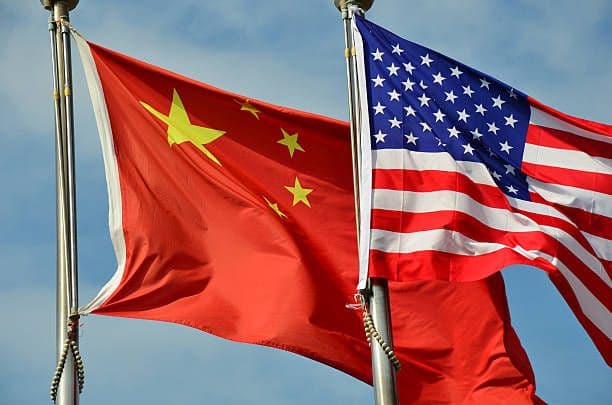
China is entering 2026 with a record goods trade surplus and an increasingly assertive trade diplomacy agenda that aims to deepen its economic footprint across Europe, Asia, Africa and North America. With a surplus exceeding $1 trillion, Beijing is using market access, infrastructure financing and digital trade systems to strengthen its leverage and reduce exposure to U.S. trade pressure.
The strategy marks a shift from reactive tariff management during earlier U.S. trade disputes to a broader, long term effort to anchor China at the center of global supply chains. Analysts say the implications will extend well beyond customs data, affecting industrial policy, technology standards and geopolitical alignments.
A New Phase in Trade Diplomacy
China’s goods trade surplus reached approximately $1.076 trillion in 2026, according to official figures cited in international trade reporting. That scale provides Beijing with both economic strength and diplomatic leverage. However, it also fuels criticism from trading partners concerned about market imbalances.
According to Brussels Morning, China’s current approach blends infrastructure corridors, digital payment systems and advanced manufacturing exports into a coordinated push to entrench its role in global commerce. Rather than focusing solely on export growth, policymakers are seeking structural influence within logistics, ports, digital finance networks and regulatory standards.
This marks a departure from the earlier Belt and Road model, which emphasized physical infrastructure. Today, digital infrastructure is increasingly central to China’s trade toolkit.

From Defensive Posture to Active Deal Making
After years defined by tariff escalation with Washington, China is now accelerating trade negotiations across multiple regions. The Ministry of Commerce has indicated that more than 20 trade agreements or frameworks are under discussion, several of which gained momentum following stalled talks during previous geopolitical tensions.
Recent developments include tariff reductions on electric vehicles in negotiations with Canada, renewed trade discussions with the Gulf Cooperation Council and a feasibility study with the United Kingdom focused on services trade. These moves suggest a diversification strategy aimed at limiting dependence on the U.S. market.
Related News
The underlying calculation is straightforward. If China becomes indispensable to multiple regional economies, broad decoupling becomes economically disruptive for all sides.
Trade economists note that diversification also reduces risk concentration. In 2023, the United States accounted for roughly 15 percent of China’s exports. Expanding trade flows elsewhere could soften the impact of future sanctions or tariff measures.
Technology as a Strategic Lever
Technology has become a defining feature of China’s trade expansion. At the Friendship Port with Vietnam, Chinese state media reported that artificial intelligence driven customs systems reduced cargo processing times by 20 percent. While independent verification of that figure remains limited, the broader objective is clear: streamline logistics while exporting digital standards.
Digital trade platforms, blockchain based customs documentation and integrated supply chain software are increasingly embedded in Chinese backed infrastructure projects. This model extends Beijing’s influence beyond physical trade routes into the regulatory and technological architecture that governs cross border commerce.
Participation in the Regional Comprehensive Economic Partnership further reinforces this strategy. RCEP covers nearly 30 percent of global GDP and includes 15 Asia Pacific economies. By shaping digital trade norms within this bloc, China gains influence over future regulatory frameworks.
Industry analysts observe that digital standard setting can be as powerful as tariff policy. Once supply chains rely on certain technical protocols, switching systems becomes costly.
Europe’s Calculated Ambivalence
Europe remains cautious. German Chancellor Friedrich Merz has publicly referenced the importance of “strategic partnerships” with China, reflecting Germany’s reliance on Chinese markets for automotive and industrial exports. At the same time, several European Union diplomats have described Beijing’s overtures as strategic messaging designed to soften criticism.
The EU China Comprehensive Agreement on Investment, negotiated in 2020, remains frozen amid political tensions. Nevertheless, Chinese officials continue to signal openness to renewed engagement.
The European debate highlights a tension between economic opportunity and security concerns. According to European trade data, China is one of the EU’s largest trading partners, with bilateral trade in goods exceeding €850 billion annually in recent years. That interdependence complicates calls for economic distancing.
The Surplus Question
China’s $1.076 trillion trade surplus is both an asset and a diplomatic challenge. Former World Trade Organization Director General Pascal Lamy has warned that persistent surpluses risk overwhelming certain European sectors. Meanwhile, HSBC chief Asia economist Fred Neumann has argued that global partners would prefer stronger Chinese domestic consumption rather than continued export dominance.
Commerce Minister Wang Wentao has pledged to increase imports under the next five year economic plan. However, structural rebalancing toward consumption driven growth may take years. Household consumption accounts for a smaller share of GDP in China than in many developed economies, reflecting long standing savings patterns and state led investment models.
Economists say the credibility of China’s trade diplomacy will partly depend on whether it opens its domestic market more fully to foreign goods and services.
North America’s Strategic Calculations
China’s engagement with Canada has drawn particular attention. Analysts suggest Ottawa’s willingness to negotiate tariff adjustments could be influenced by upcoming USMCA review processes. Strengthening alternative trade channels may provide bargaining leverage.
Mexico, however, has declined to pursue a free trade agreement with China, citing its commitments under the Comprehensive and Progressive Agreement for Trans Pacific Partnership and the importance of access to the U.S. market. The U.S. remains Mexico’s dominant export destination.
Stephen Nagy of the Macdonald Laurier Institute has cautioned that Canada’s outreach to China carries political risk, particularly if Washington responds with stricter trade enforcement measures. That risk calculus is heightened by the continued political influence of former U.S. President Donald Trump, whose trade policies emphasized tariffs and domestic manufacturing.
Implications for Industry and Global Supply Chains
For technology firms, China’s push into AI enabled logistics systems presents both opportunity and competition. Companies specializing in compliance software, customs automation and cross border payments may find expanding markets across Asia and Africa. However, they will face state backed Chinese competitors that bundle technology with financing.
Retail and consumer brands are watching closely for signs that China will follow through on import expansion promises. If domestic consumption rises meaningfully, foreign brands could gain broader access to a market of more than 1.4 billion people.
A less discussed implication involves middle income economies. Countries participating in Chinese infrastructure and digital trade networks may gain improved logistics capacity, but they also risk increased dependency on Chinese standards and financing models.
What to Monitor in 2026
Several developments will shape the trajectory of China’s trade strategy:
- Progress on potential accession to the Comprehensive and Progressive Agreement for Trans Pacific Partnership
- Expansion of digital trade standards under RCEP frameworks
- Shifts in global supply chains tied to infrastructure investment
- Evidence of stronger domestic consumption growth within China
Trade analysts say the coming year will test whether Beijing can balance export strength with market openness.
China’s 2026 trade strategy reflects more than an effort to weather U.S. tariffs. It represents a calculated attempt to embed Chinese systems, standards and supply chains across multiple regions so deeply that disengagement becomes economically costly.
With a goods trade surplus exceeding $1 trillion, Beijing possesses substantial leverage. Yet that leverage brings scrutiny. Trading partners are weighing the benefits of integration against concerns about dependency and imbalance.
The next phase will hinge on credibility. If China can demonstrate meaningful import growth and sustained domestic consumption, skepticism may ease. If not, tensions over trade imbalances and technological standards are likely to intensify.
Add a Comment