


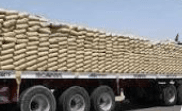
The cost of cement in Nigeria has risen sharply again, piling fresh pressure on households, builders and the already strained housing market. Across several states, a 50 kilogramme bag of cement now sells for as much as N10,500, up from about N9,800 in December 2025, according to checks by DAILY POST.
The increase, which represents a jump of roughly seven percent within weeks, has been recorded in Abuja, Nasarawa, Niger and surrounding areas, with variations depending on location and transportation costs. Industry players say the new pricing is already affecting building projects and pushing rent higher, particularly in urban centres.
The latest adjustment comes despite Nigeria’s position as one of Africa’s major cement producers, with large deposits and production facilities in Obajana in Kogi State, Okpella in Edo State and other locations. It also runs contrary to earlier assurances by leading manufacturers that prices would be stabilised.
Renewed pressure on housing and rents
The timing of the increase is adding to broader cost of living concerns. Housing costs have climbed steadily over the past year, and the latest cement hike is expected to accelerate that trend.
According to DAILY POST findings, annual rent for self contained apartments in cities such as Abuja and Lagos has risen by more than 100 percent, climbing from about N400,000 to as high as N800,000 in many neighbourhoods. Developers say higher construction costs are being passed on to tenants as landlords struggle to keep projects viable.
This comes against the backdrop of Nigeria’s inflation rate, which stood at 15.15 percent in December 2025, up from 14.45 percent a month earlier. Analysts say rising prices of essential building materials such as cement are increasingly feeding into broader inflationary pressures.
Earlier promises now under scrutiny
The renewed increase has revived criticism of cement producers, particularly after earlier commitments to moderate prices. Last year, major manufacturers including Dangote Cement and BUA Cement were reportedly invited by the Presidency after prices climbed to around N10,000 per bag.
At the time, the companies were said to have assured the government that prices would be reduced to about N7,000. That target has clearly not been met, and the current price level has raised questions about regulatory oversight and market control.
Related News
Observers note that the latest hike is difficult to reconcile with Nigeria’s local production capacity, especially given the country’s vast limestone reserves and multiple large scale plants.
Industry voices warn of wider economic impact
Reacting to the development, former president of the Real Estate Developers Association of Nigeria REDAN, Alhaji Aliyu Oroji Wamakko, described the situation as troubling for both the property market and employment.
He said the persistent rise in cement prices poses a serious threat to real estate development, warning that it could stall projects and force smaller players out of business.
According to Wamakko, higher construction costs inevitably translate into higher rents, which ordinary Nigerians can scarcely afford. He added that the knock on effect would be felt across the construction value chain, from artisans to suppliers and site workers.
He recalled that the federal government had previously intervened when prices approached N10,000, leading to assurances from manufacturers that prices would fall.
“Now we are back to the same situation, and nobody has explained why,” he said. “The government has remained silent, and that is worrying.”
Questions over regulation and pricing controls
Wamakko also questioned the apparent inactivity of the Price Control Board, an agency meant to monitor and regulate the prices of essential commodities.
According to him, the absence of effective oversight has created uncertainty in the market, making it difficult to predict how high cement prices could go.
He noted that developers now struggle to plan projects or estimate costs accurately, a situation that discourages long term investment in housing.
“We cannot even quantify where the cement price will go next,” he said. “That kind of uncertainty is dangerous for the sector.”
What is driving the increase
Industry analysts point to a combination of factors behind the rising cost of cement. One major driver is increased demand, particularly from large scale government road and infrastructure projects that rely heavily on cement rather than alternative materials.
Currency volatility is another key issue. Although cement is produced locally, manufacturers still depend on imported machinery, spare parts and chemical inputs, all of which are affected by exchange rate movements.
Energy costs and transportation expenses have also risen, further pushing up production costs. Combined, these pressures have made it difficult for producers to maintain lower prices despite earlier commitments.
The current surge in cement prices comes at a sensitive time for the economy. With inflation already elevated and household incomes under pressure, rising construction costs risk deepening Nigeria’s housing deficit and slowing urban development.
Experts warn that if prices continue to climb unchecked, private sector investment in housing could decline, worsening accommodation shortages in major cities. Job losses in construction and related industries could also follow, adding to unemployment concerns.
Stakeholders are now watching for possible government intervention, either through direct engagement with manufacturers or renewed enforcement of price monitoring mechanisms. There are also calls for a broader review of the cement production and distribution system to address structural bottlenecks.
Wamakko has urged authorities to conduct a comprehensive assessment of the industry to identify the root causes of the persistent increases and develop long term solutions.
Without such action, analysts warn that cement prices could rise further in the coming months, compounding pressures on housing, infrastructure development and the wider economy.
Add a Comment