


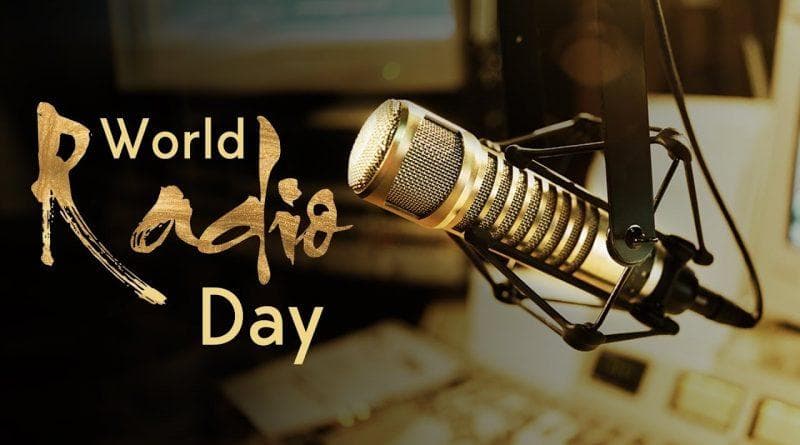
Every year on February 13, broadcasters, listeners, policymakers, and media organisations around the world observe World Radio Day, a United Nations‑recognised occasion that highlights radio’s ongoing relevance nearly eight decades after the first global broadcasts. In 2026, the observance comes at a pivotal moment for the medium, as it adapts to new technologies while maintaining its longstanding role in education, public communication, and cultural expression.
Originally established to honour the creation of United Nations Radio in 1946, World Radio Day was proclaimed by UNESCO in 2011 and formally adopted by the United Nations General Assembly in 2012. The date was chosen to recall the launch of UN Radio shortly after the end of the Second World War, a broadcast service that helped shape early international dialogue and information sharing.
This year’s theme, “Radio and Artificial Intelligence: AI is a tool, not a voice,” underscores the complex crossroads at which radio finds itself in 2026. Broadcasters are being encouraged to explore how emerging technologies can support and expand radio’s capacities without undermining the human judgement and credibility core to the practice.
A Medium Rooted in History, Adapting for Tomorrow
Radio’s origins trace back to the early 20th century, but its significance as a mass communication medium was cemented during milestones like global conflicts, independence movements, and public health crises. For many communities, especially in rural regions, radio remained a primary source of information well into the digital age. In nations where internet access is limited, a battery‑powered radio set can still provide news and alerts when other technologies fail.
In South Africa, for example, the Independent Communications Authority of South Africa (ICASA) reported that the country’s broadcast landscape includes more than 250 licensed community, public and commercial radio services, with community stations spread across all provinces. This wide distribution reflects how radio remains deeply embedded in local media ecosystems and cultural life.
Historical data shows that radio’s reach remains substantial in many places, even if listening habits are diversifying. For instance, industry research released during World Radio Day 2025 by the World Radio Alliance indicated that radio captures a dominant share of ad‑supported audio listening in several key markets, with up to 76% of total audio consumption attributed to live radio in some countries.
Despite the rise of smartphones, podcasts, and streaming platforms, these numbers suggest that radio’s immediate, live connection with audiences continues to matter especially for advertisers and content producers seeking broad reach.
The AI Conversation: Balancing Technology and Trust
The 2026 theme highlights a central debate within media: how to integrate artificial intelligence into broadcasting responsibly. According to UNESCO’s official observance page, AI is expected to support tasks such as content creation, translation, and accessibility services, including real‑time transcription for listeners who are deaf or hearing‑impaired. However, the organisation also stresses that technology must support not replace human responsibility, editorial judgment, and ethical standards.
Related News
This cautious embrace of technology was echoed in public events marking the day. In Raipur, India, Chhattisgarh Chief Minister Vishnu Deo Sai spoke at a joint function organised with UNESCO and Akashvani Raipur on February 13. Sai described the fusion of radio’s trusted voice with AI’s processing speed as a potential boost for public service communication particularly for emergency alerts, agricultural advisories, and health information.
Experts in media technology emphasise that while AI can increase efficiency, it can also introduce challenges related to misinformation, deep‑fakes, and loss of editorial control if not properly managed. Ethical guidelines and oversight are therefore central to ongoing discussions among broadcasters and policymakers ahead of next year’s World Radio Day events.
Radio as a Public Service and Cultural Platform
Beyond technology debates, World Radio Day celebrations in 2026 have underscored radio’s role in strengthening democratic participation and cultural diversity. In Kenya, journalists marked the day by reflecting on radio’s contribution to public education and freedom of expression. The annual observance provided an opportunity for media professionals to reaffirm their commitment to balanced reporting and community engagement.
In Egypt, national broadcasters featured documentaries and interactive programmes to commemorate more than nine decades of radio history, from early broadcasts in the 1930s to modern multilingual content that aims to reach diverse audience segments across the Arab world. The programming included segments on radio innovation, audience participation, and the integration of new formats like podcasts into traditional schedules.
Radio’s social impact extends into public safety as well. Governments often rely on broadcast services to disseminate emergency information quickly when mobile networks are disrupted. This effect was noted in South Africa’s official World Radio Day statement, which described radio as an “affordable and widely accessible” medium capable of reaching even the most remote parts of the country.
Looking Ahead: What Comes Next
As World Radio Day 2026 concludes, the conversation about radio’s future is already shifting to what comes after. Broadcasters are expected to continue experimenting with hybrid models that combine terrestrial and digital transmissions, expanding accessibility while retaining the immediacy that defines live radio.
Several industry groups have also called for greater investment in community radio stations, which often serve populations overlooked by commercial media. These stations not only provide local news but also preserve languages and traditions that might otherwise fade from mainstream platforms.
Given the theme of AI integration, media analysts are watching how regulatory frameworks evolve to protect listener privacy, ensure editorial transparency, and manage the risks associated with automated content generation. These developments could have far‑reaching implications for how broadcasters operate in an increasingly data‑driven environment.
World Radio Day 2026 has served as a reminder that radio is far from obsolete. Nearly 80 years after United Nations Radio began transmitting, radio remains a versatile medium one that is both rooted in tradition and capable of embracing technological change. Whether in community halls, emergency shelters, or smartphone apps, radio continues to inform, educate, and connect people across continents.
As the global broadcast community reflects on this year’s theme and prepares for future milestones, radio’s role as a platform for trusted voice and public dialogue appears secure. The challenge ahead balancing innovation with credibility may shape the medium’s next chapter in ways that echo as widely as its signal.
Add a Comment