


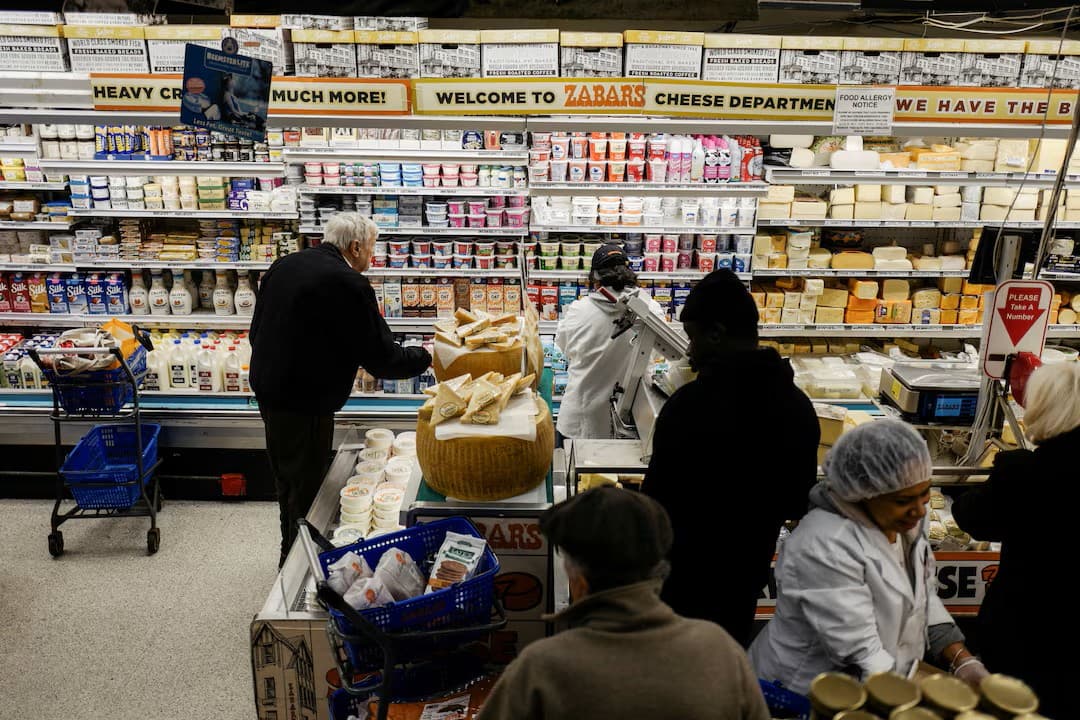
The approval of a new weight-loss pill in the United States is expected to speed up product changes across the food industry next year, as analysts predict wider adoption of appetite-suppressing drugs will permanently alter how Americans eat.
According to analysts, packaged food makers and fast-food chains are preparing for a future in which more consumers eat smaller portions and prioritize protein-rich meals. That shift is likely to intensify in January, when the first GLP-1 weight-loss pill becomes available.
Earlier this week, the U.S. Food and Drug Administration approved Novo Nordisk’s oral version of Wegovy, a GLP-1 drug previously offered only as an injection. Shares of several food companies fell following the announcement, reflecting investor concerns about reduced demand for traditional snack foods and fast meals.
Meanwhile, Eli Lilly is expected to receive regulatory approval for its own competing GLP-1 pill sometime next year, according to industry analysts.
Pills expected to broaden GLP-1 use
Analysts say the pill format could significantly expand the market for GLP-1 drugs. Compared with injectable versions, pills are expected to be cheaper and more appealing to patients who are reluctant to self-administer shots.
According to Rabobank consumer foods analyst JP Frossard, wider access to GLP-1 medications is already changing spending habits.
“We are seeing people cut back specifically on salty snacks, liquor, soda, drinks, and bakery snacks, while focusing more on protein and fiber,” Frossard said. “Food companies and restaurants will increasingly cater to this growing audience.”
Andrew Rocco, a stock strategist at Zacks Investment Research, described the FDA approval as a turning point for the food sector. He said the oral version of Wegovy is expected to deliver the same weight-loss results as injections at a lower cost.
Related News
- A Nigerian skate brand just became adidas' first official Nigerian collaborator.
- A senior ISWAP finance operative surrendered to Nigerian troops at 6:45 a.m. on July 25 along the Gamboru-Wulgo Main Supply Route in Borno State.
- Nigeria's reported digital payment fraud losses fell 52 percent last year, dropping to N25.85 billion from N52.26 billion in 2024.
“High-protein options, smaller portions, and functional food innovation will become essential,” Rocco said.
Consumer spending patterns already shifting
According to U.S. government data, about 40 percent of American adults are classified as obese. A poll published last month by health policy research group KFF found that roughly 12 percent of adults currently use GLP-1 medications.
Research suggests those users are already spending less on food. A Cornell University study published last week found that households using GLP-1 drugs reduced grocery spending by an average of 5.3 percent and cut spending at fast-food restaurants by about 8 percent.
The study analyzed purchase data from approximately 150,000 households collected by Numerator. Researchers noted that spending levels generally returned to normal after households stopped using the medication.
However, study co-author Sylvia Hristakeva said weight-loss pills could extend these effects across a broader segment of the population.
“The decreases we observed will likely appear across a much wider group because pills are cheaper and easier to use,” Hristakeva said. She added that these factors also increase the likelihood that people remain on the medication for longer periods.
Food companies adjust products and marketing
Although the Cornell study found only modest increases in spending for categories such as yogurt and fresh fruit, food manufacturers are already repositioning their portfolios.
Conagra Brands has begun labeling select Healthy Choice frozen meals as “GLP-1 friendly,” highlighting their high protein and fiber content. A company spokesperson said those products are outperforming comparable items without the label. Conagra plans to introduce additional recipes under the same branding in May and is working with major retailers such as Walmart and Kroger to promote them.
Danone, which produces Oikos Greek yogurt, said it is experiencing double-digit growth in its high-protein offerings. The company noted that demand has accelerated alongside rising GLP-1 adoption.
Nestlé has also launched a line of frozen meals designed specifically for GLP-1 users under the Vital Pursuit brand. The company did not respond to a request for comment.
Restaurants follow suit with smaller portions
Restaurants are also adapting. Fast-casual chain Chipotle recently introduced a High Protein Menu, including single servings of chicken or steak.
Other chains, including Olive Garden, have added smaller and lower-priced portion options in recent months.
Stephen Kennedy, head of marketing at Noodles & Company, said such changes are meant to give customers flexibility.
“These options are about satisfying guests without going overboard,” Kennedy said.
As weight-loss pills become more accessible, analysts expect the food industry’s shift toward protein-focused, portion-controlled products to accelerate, reshaping menus and grocery shelves well beyond 2025.
Add a Comment