


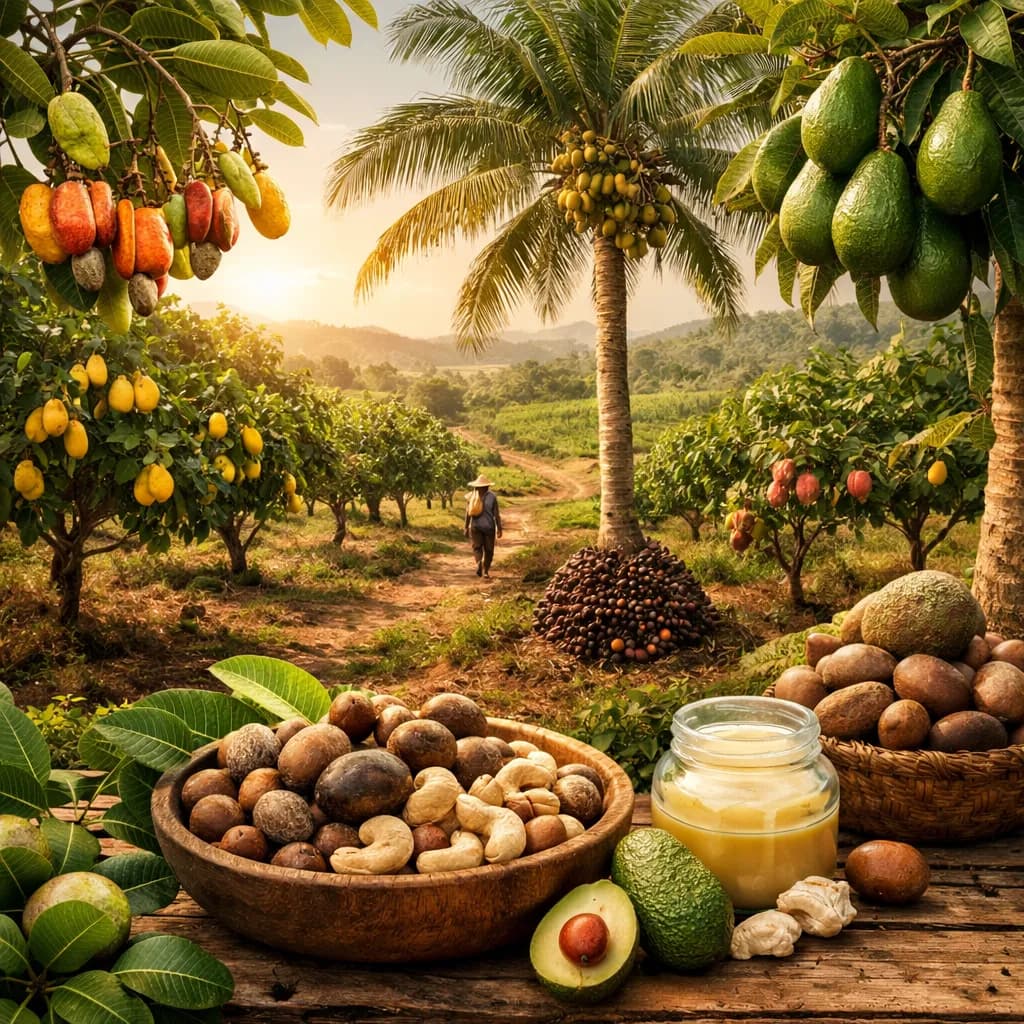
From Empty Plots to Steady Income, Trees That Pay for Decades
Large stretches of unused or inherited land across Nigeria are quietly turning into economic assets as individuals plant hardy cash crop trees that require little supervision yet yield income for decades. Agricultural economists say this shift reflects a growing recognition that tree crops can transform dormant land into a steady source of both local earnings and foreign exchange, particularly for families seeking pathways out of poverty.
Unlike seasonal farming, tree cultivation allows landowners to maintain other occupations while their investment grows. Once established, many of these trees survive on rainfall and basic care, making them suitable for people without farming experience. According to the Food and Agriculture Organization, perennial crops play a critical role in strengthening rural livelihoods because they provide recurring harvests and reduce vulnerability to climate shocks.
Why Idle Land Is Becoming Valuable Again
In past decades, many landowners left plots unused due to urban migration, insecurity, or lack of capital. However, rising food prices and currency volatility have renewed interest in agriculture as a financial safety net. Governments are also encouraging tree planting to boost export revenue and combat environmental degradation.
According to reports by The Punch, state agricultural programs are distributing seedlings of economic trees to households willing to cultivate unused land. Officials say the initiative aims to reduce unemployment while increasing agricultural exports.
Cash Crop Trees Suitable for Reserved or Unused Land
Agronomists recommend several tree species that thrive in diverse conditions and demand minimal attention once established.
Cashew
Cashew trees grow well in marginal soils and require little maintenance. Nigeria has emerged as one of the world’s leading exporters of raw cashew nuts, making the crop a reliable foreign exchange earner. The fruit can also be processed locally, creating additional income streams.
Oil Palm
Related News
Oil palm trees produce fruit for decades and remain a cornerstone of West Africa’s agricultural economy. Palm oil is used in food processing, cosmetics, and industrial applications, ensuring consistent demand both locally and internationally.
Mango
Mango trees adapt to various soil types and climates. They produce large harvests annually, which can be sold fresh or processed into juice and dried fruit products. Export opportunities continue to expand as global demand rises.
Moringa
Moringa trees grow quickly and tolerate drought conditions. Their leaves and seeds are used in health supplements, cosmetics, and water purification products. Experts say moringa’s diverse uses make it one of the most promising emerging cash trees.
Coconut
Coconut trees thrive in coastal and humid areas and provide multiple products including oil, fiber, and food. Their versatility allows farmers to tap into several markets simultaneously.
Avocado
Improved avocado varieties mature faster than traditional ones and have strong export demand. The fruit’s popularity in international markets has turned avocado cultivation into a profitable venture in many tropical regions.
Shea Tree
Native to West Africa, the shea tree produces nuts used to make shea butter, a key ingredient in global skincare products. Although it takes time to mature, it requires almost no maintenance afterward.
Income Generation and Poverty Reduction
Experts emphasize that tree crops provide long term financial stability rather than quick profits. Once mature, they yield harvests annually for decades, effectively turning land into a renewable income source. Agricultural economist Dr. Adebayo Lawal of the University of Ibadan said during a rural development forum that planting economic trees is one of the most practical ways to secure future wealth for families with limited capital.
He noted that tree crops also reduce pressure on urban areas by creating viable livelihoods in rural communities.
Unique Insight: Land Banking Through Agriculture
Development analysts highlight an emerging trend in which individuals use tree planting as a form of land banking. Instead of leaving land idle or selling it prematurely, owners cultivate cash trees to increase property value while generating income. This strategy is gaining attention among diaspora investors who purchase land in their home communities but cannot actively manage farms.
In some regions, families plant economic trees as inheritance assets, ensuring future generations benefit from both the produce and the land itself.
Challenges and Considerations
Despite the advantages, tree cultivation requires patience. The waiting period before the first harvest can discourage investors without alternative income. Land ownership disputes also pose risks, as farmers may hesitate to plant trees on contested property.
Climate variability may affect flowering cycles and yields, making improved seedlings and agricultural training essential. Experts also stress the need for processing facilities to maximize profits from raw produce.
Government agencies and private investors are expanding processing plants for cashew, palm oil, and fruit products. Digital platforms connecting farmers directly with buyers are also emerging, improving market transparency and reducing exploitation by middlemen.
Analysts say the success of these initiatives could determine whether tree based agriculture becomes a major driver of poverty reduction and foreign exchange earnings.
Planting simple cash crop trees on unused land is increasingly viewed as a practical strategy for long term economic security. These trees require minimal attention yet provide recurring income, making them accessible to individuals with limited farming experience. As economic uncertainty persists, experts believe transforming idle land into productive tree plantations could play a significant role in alleviating poverty and strengthening rural economies.
Add a Comment