


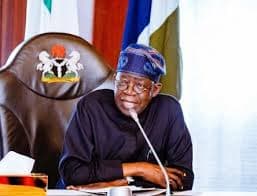
The Presidency has denied allegations that it tampered with Nigeria’s newly enacted tax reform laws, insisting that the statutes signed by President Bola Tinubu were passed strictly through constitutional and legislative procedures. The rebuttal comes amid mounting pressure from opposition figures, including former Vice President Atiku Abubakar and Labour Party leader Peter Obi, who are demanding a suspension of implementation pending an independent investigation.
The tax reforms, scheduled to take effect on January 1, 2026, have already sparked intense political debate. While the government describes them as a long overdue overhaul of the country’s revenue framework, critics warn that alleged discrepancies between the versions passed by lawmakers and those later gazetted could undermine their legality.
What the new tax laws cover
President Tinubu recently signed four major tax bills into law, a move officials have framed as the most comprehensive reform of Nigeria’s tax system in decades. The legislation includes the Nigeria Tax Act, the Nigeria Tax Administration Act, the Nigeria Revenue Service Establishment Act, and the Joint Revenue Board Establishment Act. All four are to operate under a unified authority known as the Nigeria Revenue Service.
According to the Federal Government, the reforms aim to simplify tax compliance, broaden the tax base, remove multiple and overlapping levies, and modernise revenue collection across federal, state, and local governments. Supporters within the executive argue that the changes are essential for fiscal sustainability, particularly as oil revenues continue to fluctuate.
Lawmakers raise red flags
Controversy intensified after Abdussamad Dasuki, a member of the House of Representatives from Sokoto State, alleged during plenary that the gazetted versions of the tax laws differed from what lawmakers debated and approved. Dasuki maintained that provisions relating to oversight and accountability, which were part of the bills passed by the National Assembly, appeared to have been removed.
He further claimed that new enforcement clauses had surfaced in the final texts, including expanded arrest powers for tax authorities, garnishee orders without prior court approval, and compulsory United States dollar based computations. According to him, these elements were not part of the versions voted on by legislators.
Dasuki warned that any post passage alterations could expose the laws to legal challenges. He called on the House leadership to present all harmonised documents, voting records, and proceedings to the Committee of the Whole for a transparent review.
In response, the House of Representatives constituted a seven member ad hoc committee to investigate the claims. Speaker Tajudeen Abbas described the allegations as serious and said the panel would report its findings to guide further legislative action.
Related News
- A Nigerian skate brand just became adidas' first official Nigerian collaborator.
- A senior ISWAP finance operative surrendered to Nigerian troops at 6:45 a.m. on July 25 along the Gamboru-Wulgo Main Supply Route in Borno State.
- Nigeria's reported digital payment fraud losses fell 52 percent last year, dropping to N25.85 billion from N52.26 billion in 2024.
Presidency dismisses alteration claims
The Presidency has pushed back firmly against suggestions of wrongdoing. Speaking to Sunday PUNCH, the Senior Special Assistant to the President on Media and Publicity, Temitope Ajayi, said there was no evidence that the laws had been altered after passage.
Ajayi argued that opposition criticism was politically motivated and would not derail implementation plans. He said the reforms were enacted through due process and that preparatory work had been ongoing for months to ensure a smooth rollout from January 2026.
“No amount of noise will change the fact that these laws were properly passed and signed,” he said, adding that an allegation raised by a single opposition lawmaker could not invalidate legislation approved by the National Assembly and assented to by the President.
Ajayi also confirmed that the House committee, chaired by the Chairman of the House Committee on Finance, James Faleke, was already examining the matter. According to him, the responsible approach was to allow the panel to complete its work rather than speculate.
Similarly, the President’s Special Adviser on Information and Strategy, Bayo Onanuga, ruled out suspending implementation. He noted that some provisions of the laws were already being applied and that the January 1 timeline remained intact.
“The House is investigating the allegation, and we should wait for its outcome,” Onanuga said. “There is no basis for suspending implementation.”
Atiku, Obi and others call for suspension
Meanwhile, opposition leaders and civil society groups are escalating their demands. Atiku Abubakar has called for the immediate suspension of the tax laws pending a comprehensive investigation. Speaking through his media aide, Paul Ibe, the former vice president said pausing implementation was necessary to protect the integrity of the legislative process.
Atiku described the alleged alterations as criminal falsification and warned that they raised broader concerns about governance and state capture. He also alleged that certain provisions were inserted to criminalise actions that were not originally targeted, potentially against political opponents.
Peter Obi echoed similar concerns, describing the situation as a shift from poor governance to outright abuse of the law. In a statement posted on his X account, the former Anambra State governor said the alleged changes threatened constitutional order and public trust.
According to Obi, citizens cannot be asked to accept heavier tax burdens in an atmosphere lacking transparency. He pointed to provisions such as mandatory deposits before tax appeals, asset sales without judicial oversight, and expanded arrest powers, which he said were never approved by the House of Representatives.
“These questions go to the heart of what was passed, what was signed, and what Nigerians are now being asked to obey,” Obi said, calling for full disclosure.
Parties and civil groups join the pushback
The African Democratic Congress also weighed in, labelling the tax reforms draconian and calling for their suspension. In a statement by its National Publicity Secretary, Bolaji Abdullahi, the party warned that altering legislation after passage suggested an attempt to concentrate power within the executive. It demanded a public inquiry and prosecution of anyone found culpable.
On the streets, activism is building. The Take It Back Movement said it had begun mobilising Nigerians nationwide against the reforms. Its National Coordinator, Juwon Sanyaolu, described the laws as anti people and illegitimate, arguing that they would disproportionately affect workers, entrepreneurs, young people, content creators, and those in the informal sector.
According to Sanyaolu, the controversy reflects a deeper crisis of trust between citizens and the state, particularly in the absence of adequate public services.
As the House committee begins its probe, attention is now on whether lawmakers will confirm or dispel claims of post passage alterations. Legal experts note that if discrepancies are proven, the issue could trigger constitutional questions and possible court challenges. Until then, the government remains adamant that the reforms will proceed as scheduled, setting the stage for a prolonged political and legal contest over Nigeria’s tax future.
Add a Comment