


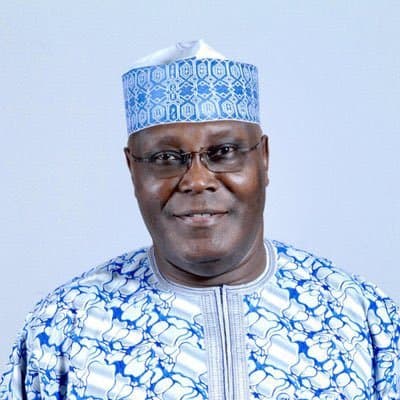
Former Vice President Atiku Abubakar has challenged the Bola Tinubu administration over the reported ₦17.5 trillion spent in twelve months on pipeline and energy security, describing the figure as larger than Nigeria’s entire fuel subsidy bill over a twelve-year period.
According to a statement from his media office, Atiku argued that the spending raised serious questions about transparency, public trust, and the government’s claim that Nigeria could no longer afford subsidy payments. He alleged that the funds were channelled through opaque contracts that benefited individuals with close ties to the Presidency.
Atiku Questions Transparency
Citing internal figures attributed to the Nigerian National Petroleum Company Limited, Atiku said the reported expenditure represented “one of the most brazen financial scandals in Nigeria’s history.”
He noted that between 2010 and 2022, Nigeria spent around ₦18 trillion on fuel subsidies. According to him, that programme directly reduced transport costs, supported millions of households, and helped moderate food prices.
“Yet the Tinubu administration has now spent nearly the same amount in a single year on subsidy under different labels and on pipeline security contracts awarded to private firms linked to associates of those in power,” he said. He added that such actions amounted to, in his words, “robbing Nigerians to pay cronies.”
Claims of Rebranded Subsidy
Atiku argued that the government’s repeated insistence that subsidy had been removed did not align with the figures released by the NNPC Limited. According to the data he cited, the administration reportedly spent ₦7.13 trillion on “energy security cost” and another ₦8.67 trillion on “under-recovery.”
He dismissed both terms as misleading, saying they were “new coinages designed to mask continued subsidy spending.” The former vice president insisted that Nigerians were bearing the cost through soaring pump prices, which in several states now exceed ₦1,000 per litre.
Energy policy analysts contacted by our newsroom noted that the terms “energy security cost” and “under-recovery” have long been sources of confusion. One Lagos-based analyst explained that under-recovery, in simple terms, means the government is still absorbing part of the landing cost of petrol. “If the government is paying the difference between the cost of importation and the official pump price, then subsidy still exists, whether it is acknowledged or not,” he said.
Related News
Calls for Answers and Accountability
Atiku demanded that the Federal Government release the full list of companies awarded the contracts, the scope of work, and the duration of each engagement. He also asked for an independent forensic audit and urged the government to suspend further spending until “full accountability is established.”
He posed several questions to the administration:
• Why has energy-related spending risen by nearly 39 percent between 2024 and 2025?
• Why are pipeline security operations now costlier than a decade of nationwide subsidies?
• Where are the audit reports, procurement records, and oversight findings?
According to him, no government that presides over “such fiscal recklessness” can demand sacrifice from citizens already grappling with high inflation, weak purchasing power, a struggling naira, and rising hunger.
Civil society groups have also began reacting to the controversy. A spokesperson for the Centre for Social Accountability said the figures, if confirmed, would represent “a historic governance failure.” He added that the public deserves to know “who was paid, for what services, and under which procurement framework.”
Broader Economic Strain
The debate comes at a time when the government’s economic reforms remain deeply unpopular. Many households continue to face rising transportation costs, a surge in food inflation, and limited relief from palliative programmes promised after the initial subsidy removal announcement.
Economists say the size of the spending Atiku referenced could fund significant national priorities. For instance, several experts told our reporter that ₦17.5 trillion could overhaul Nigeria’s power sector, rehabilitate all state-owned refineries, or provide broad healthcare coverage for millions of citizens.
Closing
Atiku said the controversy surrounding the ₦17.5 trillion expenditure is not only a financial red flag but also a moral indictment of the current administration. He insisted that Nigerians deserve openness, responsible leadership, and a clear explanation of how national resources are being deployed.
“The country needs transparency, not deceit. It needs leadership, not cronyism. And it needs a government that places the national interest above private enrichment,” he said.
Add a Comment