


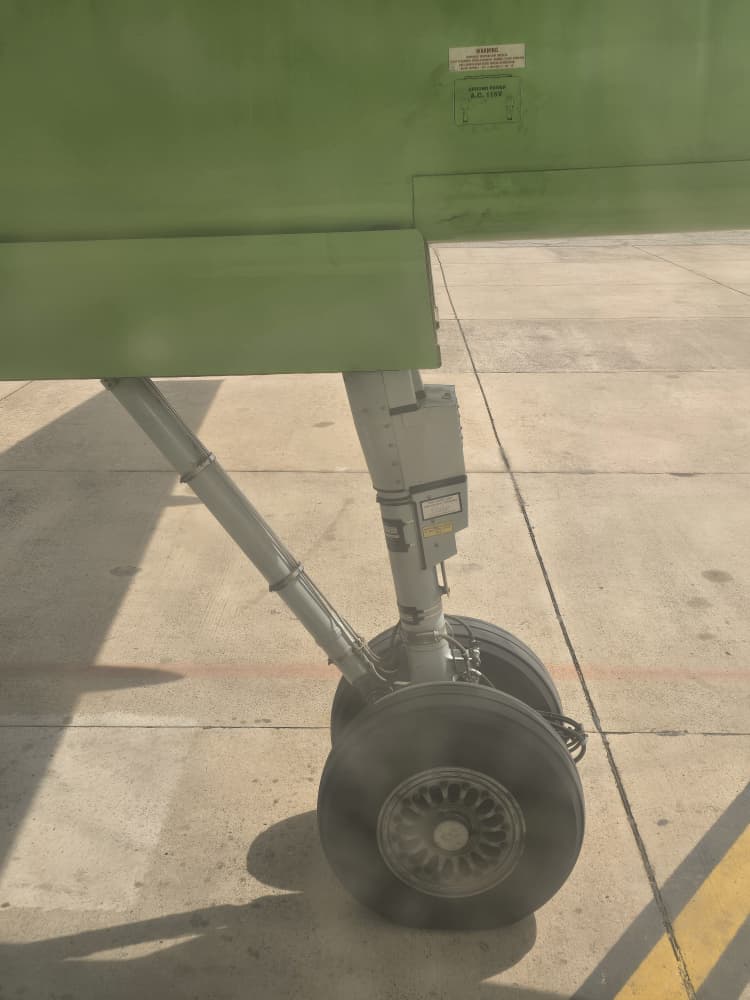
Why aircraft tyres matter more than most passengers realise
Aircraft tyres rarely attract attention, yet they play a critical role in every take off and landing. From supporting hundreds of tonnes of weight on the runway to absorbing extreme forces at high speed, these components are engineered for conditions far beyond those faced by road vehicles. Aviation experts say understanding how aircraft tyres work, why they are inflated with nitrogen, and how much load they carry helps explain why tyre integrity remains a major safety focus for airlines and regulators worldwide.
According to the United States Federal Aviation Administration, tyres are among the most highly stressed parts of an aircraft, expected to perform reliably despite dramatic temperature changes, heavy loads, and repeated impacts on landing. In recent years, renewed attention to aircraft ground safety has followed several runway incidents globally, making the topic relevant once again for both operators and the flying public.
Built for extreme demands
Unlike car tyres, aircraft tyres are designed to withstand intense vertical loads and sudden acceleration. A typical narrow body commercial jet such as the Boeing 737 uses six main landing gear tyres, each capable of supporting more than 20 tonnes during landing, according to data published by Boeing. Larger wide body aircraft, including the Airbus A350 or Boeing 777, rely on multiple wheel assemblies to spread even heavier loads.
During landing, the tyres hit the runway at speeds that can exceed 250 kilometres per hour. At the moment of touchdown, the wheels are not yet rotating, meaning the tyres must accelerate from zero to full rotational speed almost instantly. According to the UK Civil Aviation Authority, this brief but violent transition produces intense friction and heat, which is why aircraft tyres are manufactured with reinforced plies, thick tread, and heat resistant rubber compounds.
Meanwhile, during taxi and take off, tyres must also endure lateral forces from turning, braking, and crosswinds, all while carrying the aircraft’s full weight. Engineers note that tyre performance is not about grip alone but about controlled deformation that absorbs shock without structural failure.
Why nitrogen is used instead of air
One of the most common questions from passengers is why aircraft tyres are inflated with nitrogen rather than regular compressed air. Aviation safety experts point to several reasons, all tied to reliability and risk reduction.
According to Airbus maintenance guidance, nitrogen is an inert gas that does not support combustion. In the event of a high temperature scenario, such as a rejected take off involving heavy braking, nitrogen reduces the risk of tyre fire or explosion. Compressed air contains oxygen and moisture, both of which can increase internal pressure fluctuations and oxidation of the tyre structure.
Temperature stability is another factor. Aircraft tyres experience rapid heating during landing and braking, then cool quickly at cruising altitude where ambient temperatures can drop below minus 50 degrees Celsius. Nitrogen expands and contracts more predictably than moist air, helping maintain consistent pressure across these extremes, according to the FAA.
Related News
An aviation maintenance engineer, James Okafor, who has worked with several African carriers, explained that nitrogen also slows internal corrosion of wheel assemblies. He said this matters because even minor corrosion can compromise the integrity of high pressure systems over time, especially in humid operating environments.
How much do tyres actually lift
A common misconception is that aircraft tyres lift the plane into the air. In reality, lift during take off is generated by the wings as air flows over them at speed. Tyres play a supporting role, but that role is essential.
During the take off roll, tyres support the full weight of the aircraft while allowing it to accelerate smoothly. According to Boeing flight operations manuals, a fully loaded 737 can weigh more than 70 tonnes at take off, all of which rests on the tyres until the aircraft becomes airborne. For larger long haul jets, that figure can exceed 250 tonnes.
Once the aircraft lifts off, the tyres are no longer bearing weight, but they remain critical for a safe return. During landing, tyres must once again absorb the entire mass of the aircraft, plus the vertical energy of descent. Aviation analysts note that this makes landing gear design, including tyre selection, one of the most carefully regulated aspects of aircraft certification.
Support during landing and braking
Landing is the most demanding phase of tyre operation. According to the International Civil Aviation Organization, tyre loads during touchdown can briefly exceed those experienced during static ground operations. Braking then adds further stress, especially during wet runway conditions or emergency stops.
To manage this, aircraft tyres are inflated to very high pressures, often between 180 and 220 pounds per square inch for commercial jets. This high pressure helps the tyre maintain its shape and structural integrity under load. However, it also means any defect, damage, or under inflation can have serious consequences.
Airlines therefore inspect tyres frequently. According to Punch, Nigerian carriers operating domestic and regional flights adhere to strict tyre inspection intervals, with replacements scheduled based on cycles rather than visible wear alone.
Global air travel has rebounded strongly since the pandemic, placing renewed strain on aircraft fleets, especially in regions with challenging runway conditions. Aviation analysts say this has increased focus on ground safety systems, including tyres, brakes, and landing gear.
In Africa, where some airports face runway surface issues or high ambient temperatures, tyre performance becomes even more critical.
According to the African Airlines Association, proper tyre maintenance is a key factor in reducing ground incidents and improving operational reliability.
Experts also note that newer aircraft designs are pushing performance limits, with higher weights and more efficient braking systems. This places additional demands on tyres, prompting manufacturers to invest in advanced materials and monitoring technologies, including sensors that track pressure and temperature in real time.
Industry observers expect continued innovation in aircraft tyre design, particularly as airlines seek longer tyre life and lower maintenance costs without compromising safety. Regulators are also reviewing standards for nitrogen purity and pressure monitoring as part of broader efforts to improve runway safety.
For passengers, the takeaway is simple. While tyres may not generate lift, they make flight possible by supporting aircraft through the most demanding moments of every journey. As air traffic grows and fleets age, how airlines manage these unseen components will remain a quiet but vital part of aviation safety.
Add a Comment