


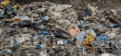
Dirty air, unsafe water, unmanaged waste, and poor hygiene continue to undermine health and productivity in parts of the world. These problems rarely exist in isolation. According to development experts, pollution and poverty often reinforce each other, creating a cycle that is difficult to break.
In many low-income countries, governments struggle to fund and maintain basic infrastructure. Without reliable water pipes, sewage systems, landfills, or electricity, daily survival comes at an environmental cost. People draw drinking water directly from rivers, dump refuse in open spaces, and rely on wood, coal, or diesel for cooking and power. Over time, these practices spread disease, lower life expectancy, and weaken already fragile economies.
Using the latest global data, we identified the countries facing the most severe combined environmental and sanitation challenges in 2025.
How the Rankings Were Compiled
To compare countries fairly, we created a composite Dirty Score based on four core indicators: air quality, water safety, waste management, and hygiene.
Air quality reflects exposure to fine particulate matter and harmful gases, measuring what people breathe every day. Water access focuses on the share of the population with safely managed drinking water, a key factor in preventing cholera, diarrhea, and other deadly illnesses. Waste management assesses whether solid waste is properly collected, treated, or recycled, or instead dumped or burned in the open. Hygiene measures access to improved sanitation and basic handwashing facilities, the first line of defense against infectious disease.
Air pollution data came from the 2024 IQAir World Air Quality Report. Water, sanitation, and hygiene figures were drawn from the 2024 WHO and UNICEF Joint Monitoring Programme. Waste indicators were sourced from the 2024 Yale Environmental Performance Index.
Out of 150 countries with complete 2024 datasets, each metric was normalized on a 0 to 100 scale. Air quality was weighted at 30 percent, water at 25 percent, waste at 25 percent, and hygiene at 20 percent. The 10 countries with the highest Dirty Scores form this year’s list.
Dirtiest Countries in the World (2025)
- Bangladesh – Dirty Score: 84.75
- Pakistan – 81.5
- Chad – 72.75
- India – 70.7
- Nigeria – 68.75
- Iraq – 63.9
- Democratic Republic of the Congo – 61.5
- Nepal – 60.65
- Egypt – 59.95
- Indonesia – 58.75
Country Profiles
1. Bangladesh
Bangladesh’s low-lying delta geography magnifies its environmental pressures. Dhaka is ringed by brick kilns that burn low-grade fuel, while garment factories power production with polluting energy sources. During monsoon season, floodwaters push uncollected trash into canals and rivers that eventually drain into the Bay of Bengal. In rural areas, shallow wells are easily contaminated by runoff and leaking latrines. Frequent power shortages mean diesel generators run day and night, adding another layer of soot to already hazardous air.
Related News
- The UN's migration agency says trafficking networks have forced people from more than 80 countries into online scam compounds across Asia.
- More than 12,000 people have been arrested by US immigration authorities after tips from the Office of Refugee Resettlement.
- China's trade with Africa hit 1.41 trillion yuan in the first half of 2026.
2. Pakistan
From the Himalayas to the Arabian Sea, Pakistan experiences extreme seasonal pollution. Winter smog blankets cities like Lahore, driven by vehicle emissions and widespread crop residue burning. According to public health researchers, unsafe water remains a major risk outside affluent neighborhoods, where many families rely on communal taps. In Karachi, open dumping and landfill fires release toxic smoke across residential areas. Power cuts in rural clinics disrupt vaccine storage, worsening disease outbreaks.
3. Chad
Chad’s harsh climate compounds its environmental challenges. Dust storms can last for weeks, pushing air pollution levels dangerously high. Most households still cook with wood or animal dung, filling homes with smoke. Clean water is scarce, forcing long journeys to muddy wells. Outside central districts of N’Djamena, waste collection is rare, and trash piles attract insects and livestock. During the rainy season, contaminated runoff frequently triggers cholera outbreaks.
4. India
India’s rapid urban growth has outpaced environmental controls in many regions. Traffic congestion and coal-fired power plants drive air pollution in major cities, while seasonal crop burning sends smoke across northern plains. Industrial discharge has polluted rivers downstream of factories, affecting millions. Informal waste pickers recover recyclables, but landfills continue to expand. In rural communities, limited sanitation and polluted wells contribute to persistent waterborne illnesses.
5. Nigeria
Africa’s most populous nation faces mounting pressure on its cities and ecosystems. In Lagos, traffic congestion and constant generator use fill the air with exhaust fumes. In the Niger Delta, oil spills have damaged wetlands and fisheries, eroding local livelihoods. During heavy rains, plastic waste blocks drainage systems and worsens flooding. Many regions still lack reliable boreholes, forcing long treks for water that may not be safe.
6. Iraq
Decades of conflict have left Iraq’s infrastructure deeply damaged. Water treatment plants and power stations operate below capacity, leading to widespread reliance on diesel generators. Combined with frequent dust storms, this has degraded air quality across major cities. Untreated sewage flows into the Tigris and Euphrates, contaminating irrigation water used on farms. Waste disposal sites near urban centers often smolder in extreme heat.
7. Democratic Republic of the Congo
Despite its vast rainforests, the DRC depends heavily on charcoal for cooking, filling neighborhoods with smoke. Limited road networks mean waste collection rarely reaches remote towns. Rivers serve as both water sources and dumping grounds, carrying plastic and chemical runoff through the Congo Basin. Artisanal mining has left toxic residues that leach into streams, while unreliable electricity keeps diesel generators in constant use.
8. Nepal
Kathmandu Valley’s bowl-like geography traps pollution from vehicles and brick kilns, especially during winter temperature inversions. In rural and mountainous regions, open defecation remains common, and monsoon rains wash waste into rivers. Tourism has brought economic benefits, but also plastic waste along trekking routes. With limited road access and power shortages, many communities burn trash and rely on firewood.
9. Egypt
Nearly all of Egypt’s population lives along the Nile, intensifying pressure on water and waste systems. Cairo’s air pollution comes from traffic, industry, and surrounding brick kilns, compounded by desert dust. In informal settlements, garbage often piles up before being burned. Sewage leaks into irrigation canals, while rising salinity threatens farmland in the Nile Delta. Power outages encourage widespread generator use.
10. Indonesia
Indonesia’s environmental problems span thousands of islands. Seasonal peatland fires blanket cities in haze, sometimes for weeks. Plastic waste from urban waterways flows into the ocean, damaging fisheries and tourism. In coastal villages, saltwater intrusion contaminates wells. With limited waste collection, many households burn trash or dump it in ravines. Diesel-powered microgrids remain common in remote areas.
How Countries Can Turn the Tide
Environmental experts agree that progress begins with reliable data on air, water, waste, and hygiene. From there, governments must invest in basic services, including safe drinking water, modern sanitation, controlled landfills, and stable electricity. Pricing pollution through taxes and enforcing environmental rules can also drive change.
There are examples of success. China cut urban air pollution by roughly 40 percent after 2013 by limiting coal use, switching millions of homes to gas, and forcing factories to install filters. Rwanda banned plastic bags, built a lined landfill, and promoted monthly community clean-ups, helping Kigali earn a reputation as one of Africa’s cleanest cities. Estonia used European Union funding to expand water pipelines and modern recycling, lifting tap-water safety above the regional average.
These cases show that with political will, investment, and public cooperation, even deeply entrenched pollution problems can be reversed.
Add a Comment