


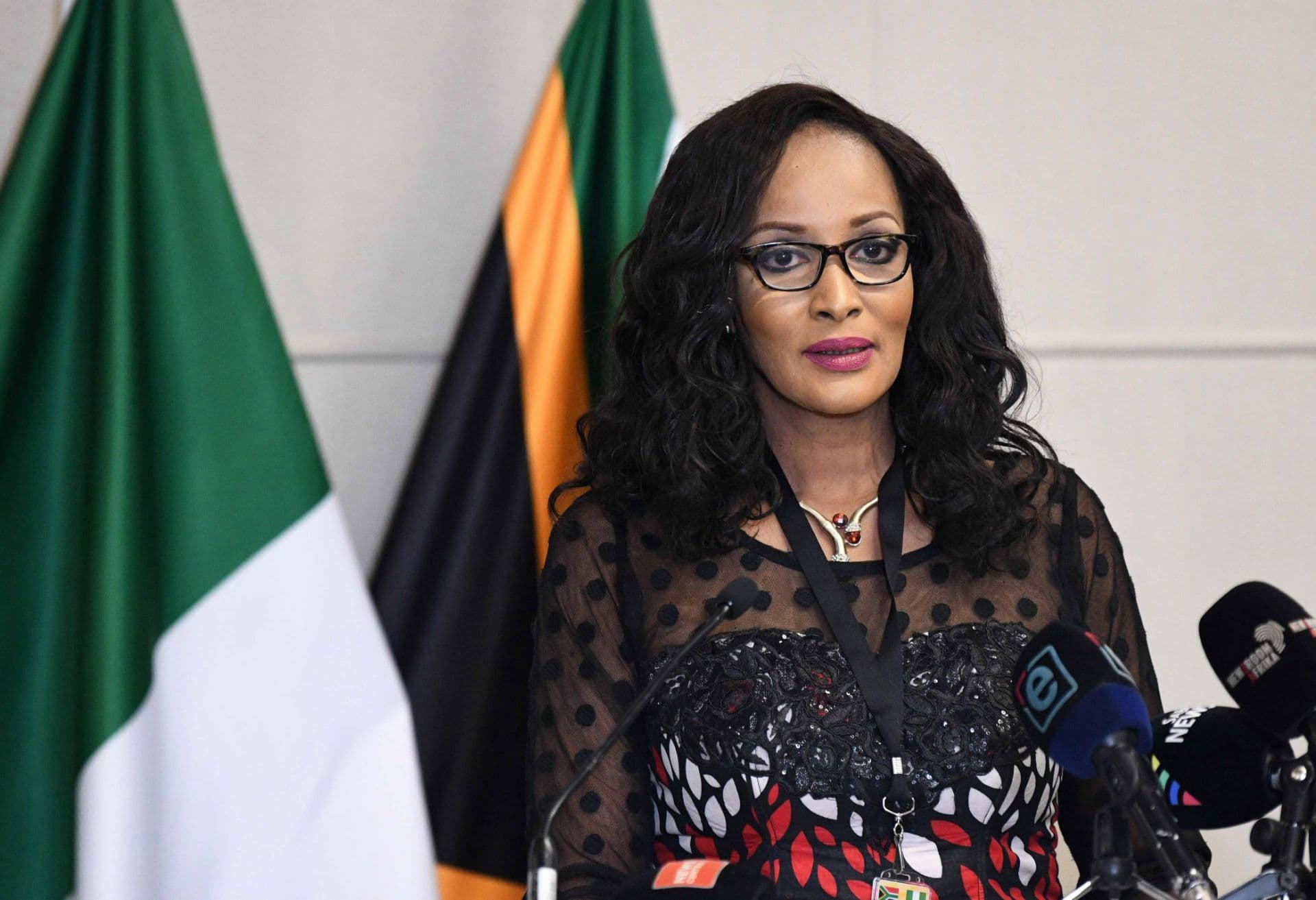
The ministry named the officers as known to the South African Police Service in a statement issued Sunday.
The warning comes as Nigeria evacuates citizens from South Africa amid weeks of xenophobic unrest, and as Abuja explicitly puts "all options" on the table for the first time in this cycle of violence. That phrase, from a sitting government's foreign ministry, is diplomatic language for potential retaliation, whether economic, consular, or otherwise unspecified.
The ministry's spokesperson, Kimiebi Imomotimi Ebienfa, detailed two killings from the same day. "One victim, Emeka Charles Iroegbu, was reportedly killed by Tshwane Metro Police officers on 28th June 2026, in Sunnyside, Pretoria, using gruesome interrogation techniques," the statement said. A second man, Musa Yunana Joe, known locally as Big Joe, was killed in front of his shop the same day in Witbank, Mpumalanga, according to the ministry.
Neither case is isolated. The ministry linked both deaths to an earlier killing, that of Nnaemeka Mathew Andrew Ekpenyong, allegedly shot by the same officers on April 20. Three incidents. One unit of police. No arrests in any of them, per Abuja's account.
That repetition is the crux of Nigeria's legal argument. The ministry said the pattern "suggested possible complicity by security personnel" and raised questions about South Africa's responsibility under international law. This is not a claim of rogue officers acting alone. It is an accusation aimed at the institution.
Nigeria's statement widened the target list beyond police. The ministry criticized an unnamed South African government spokesperson for challenging departing Nigerians to disclose where illegal drugs were hidden, calling the remark "derogatory, unprofessional and capable of inciting hostility and violence against Nigerians." The ministry did not name the spokesperson or cite the original remarks directly, an omission worth noting given the specificity applied elsewhere in the statement.
Two vigilante-style groups drew direct condemnation. The ministry named March on March and Operation Dudula, accusing their leadership of promoting hate speech and violence against fellow Africans. Both groups have organized anti-immigrant demonstrations in South Africa this year, though the ministry's statement did not cite specific incidents tied to either organization's leadership by name.
The warning, in Nigeria's own words
Related News
- Nigeria's Trade with African Neighbours Jumped 21% to $9.02 Billion in 2025, Afreximbank Data Shows
- Two Nigerians were reported killed in Port Elizabeth before Nigeria’s Foreign Affairs Minister, Bianca Odumegwu-Ojukwu, publicly warned that retaliatory measures against South Africa were now being considered by the Tinubu administration over recurring xenophobic violence
- Mozambique Reports Five Citizens Killed in Mossel Bay Violence as South Africa Faces Renewed Scrutiny Over Anti-Migrant Unrest
The ministry's language moved past protest into something closer to notice. "We wish to place the Government of South Africa on notice that if the situation continues to persist, all options remain on the table, some of which will be activated if the uncultured and provocative trend of intolerance and apartheid-style behaviour of South Africa against foreigners is not addressed," the statement read.
The ministry did not define which options. No timeline accompanied the warning, no list of measures, no threshold for what "persist" means in practice. That ambiguity is itself a diplomatic tool, but it also means the statement's teeth remain unverified until Abuja acts on them.
Nigeria paired the threat with a reciprocity argument. The ministry noted that South African citizens and businesses continue operating in Nigeria without incident, and argued this creates an obligation South Africa has not met in return. International law generally requires states to protect foreign nationals within their borders; Nigeria's ministry invoked that standard directly rather than paraphrasing it.
What Nigeria is asking for, and what it isn't
The demands are narrower than the rhetoric. The ministry called for a full investigation into the two June 28 killings and other unresolved cases, and insisted that any suspects face "due process rather than extrajudicial actions." That phrasing implies Nigeria believes the opposite has occurred, though the statement stopped short of accusing South African authorities of running a parallel extrajudicial process.
The government also extended condolences to the victims' families and said it would keep engaging South Africa's "highest authorities" until what it called justice is served. No specific official was named as the contact point for that engagement, and no date was given for the next round of talks.
Domestically, the ministry issued instructions in two directions. Nigerians remaining in South Africa were told to stay calm, follow local law, remain security-conscious, avoid areas with active demonstrations, and relocate to safer neighborhoods where needed. Nigerians at home were separately urged to avoid retaliatory action against South African interests in Nigeria, with the ministry stating diplomacy remains its preferred approach despite the warning issued in the same breath.
That combination, a threat of undefined consequences alongside an appeal for calm on both sides, reflects a government trying to hold two positions at once. It wants to signal resolve to a domestic audience angry over the killings. It also wants to avoid triggering the kind of retaliatory unrest against South African businesses in Nigeria that could escalate a diplomatic dispute into something harder to contain.
What remains unanswered is procedural, not rhetorical. The South African Police Service has not publicly responded to Nigeria's claim that it knows the identities of the four officers involved in the Ekpenyong, Iroegbu, and Joe cases. No date has been set for any inquest into the three deaths. And Nigeria's ministry has not said what its own internal deadline is before it moves from "on the table" to something specific.
Add a Comment