


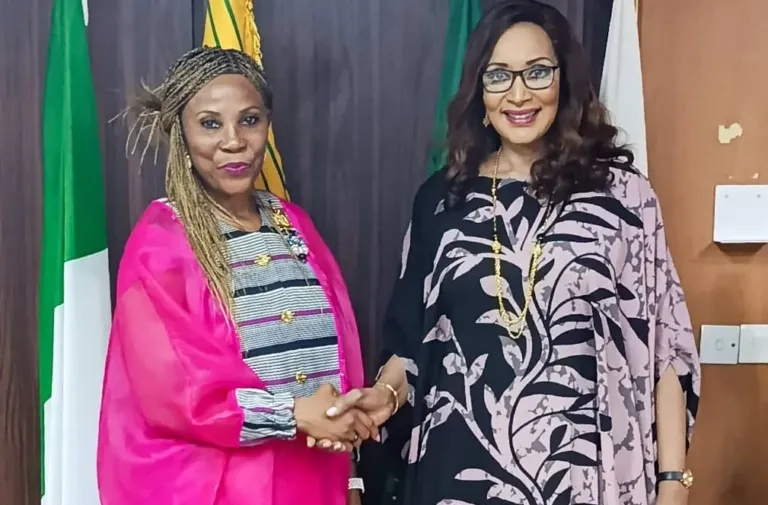
The meeting matters less for what was announced than for who attended it. A newly elevated UN assistant secretary-general met Nigeria's top diplomat days after her promotion, and the exchange signals how Abuja intends to position itself inside UN development architecture over the coming year.
Foreign Affairs Minister Bianca Odumegwu-Ojukwu made the commitment during a meeting in Abuja with Ahunna Eziakonwa, the UN Development Programme's regional director for Africa. The meeting took place Tuesday, according to a statement from ministry spokesperson Kimiebi Ebienfa.
Odumegwu-Ojukwu opened by congratulating Eziakonwa on her recent elevation to UN assistant secretary-general, calling the appointment a source of pride for Nigeria and the African continent, per the ministry statement.
She then outlined Nigeria's position. "Nigeria firmly supports programmes that promote women's political participation, leadership development, and youth empowerment," she said, according to the statement. "Investing in the next generation of African leaders remains essential to achieving sustainable peace, democratic governance, and inclusive development across the continent."
She tied that commitment to specific frameworks. Nigeria intends to work with the UN on implementing the Sustainable Development Goals, she said, alongside the African Union's Agenda 2063. Both are existing multilateral frameworks, not new initiatives announced at this meeting.
Eziakonwa's remarks focused on trade rather than governance. She praised Nigeria's role in regional economic integration, and described the country's participation as indispensable to the success of the African Continental Free Trade Agreement, according to the ministry statement.
That framing is notable given Nigeria's own history with the agreement. Nigeria signed the African Continental Free Trade Area agreement in July 2019, more than a year after the pact was first opened for signature in March 2018, having initially withheld its signature over domestic manufacturing and labor concerns before joining. Eziakonwa's comment, as relayed by the ministry, does not reference that earlier hesitation.
She also praised Nigeria's broader role in shaping Africa's development agenda, and said UNDP stood ready to keep supporting the federal government on inclusive economic growth, entrepreneurship and innovation. She named regional value chains and intra-African trade specifically as areas of continued focus, per the statement.
Related News
- The Inter-Party Advisory Council warned Wednesday that court-ordered deregistration of political parties threatens Nigeria's constitutional democracy.
- NDC Says INEC Has Granted Portal Access for 2027 Candidate Uploads
- APC Candidate Claims Rivals Are Branding Vehicles in His Campaign Colors to Commit Crimes
Eziakonwa extended two direct invitations to the minister. First, she asked Odumegwu-Ojukwu to serve as a mentor and speaker in upcoming engagements with UNDP program fellows. Second, she invited her to participate in a high-level program bringing together women leaders from across Africa, aimed at strengthening women's participation in governance and public leadership, according to the ministry statement.
Neither invitation carries a disclosed date. The statement does not specify when either engagement will take place, where it will be held, or how many fellows or women leaders are expected to participate.
The statement itself is a readout, issued by the ministry rather than by UNDP, and it reflects the ministry's account of what was said in the room. Ebienfa's statement does not include direct quotations from Eziakonwa in the same way it does from Odumegwu-Ojukwu; her remarks are paraphrased throughout, a distinction that matters when weighing how closely the quoted material tracks her actual language versus the ministry's characterization of it.
Eziakonwa's elevation to assistant secretary-general is itself the news hook for the meeting, but the ministry statement does not specify the date of her appointment, the process by which it occurred, or her prior title before the promotion. Readers seeking that background will need to look to UNDP's own announcements, which are not cited in the ministry's statement.
Nothing in the statement commits Nigeria to new funding, new legislation, or a new bilateral agreement. The pledges described are programmatic and rhetorical: support for existing SDG and Agenda 2063 targets, participation in mentorship activities, and continued engagement on trade integration. No monetary figure appears anywhere in the ministry's account.
What is absent from the statement is any timeline for the two invitations Eziakonwa extended. Whether Odumegwu-Ojukwu accepted either invitation, when the fellows' program or the women leaders' summit will convene, and what UNDP's regional office in Abuja plans to announce next remain open questions the ministry's Tuesday statement does not answer.
Add a Comment