


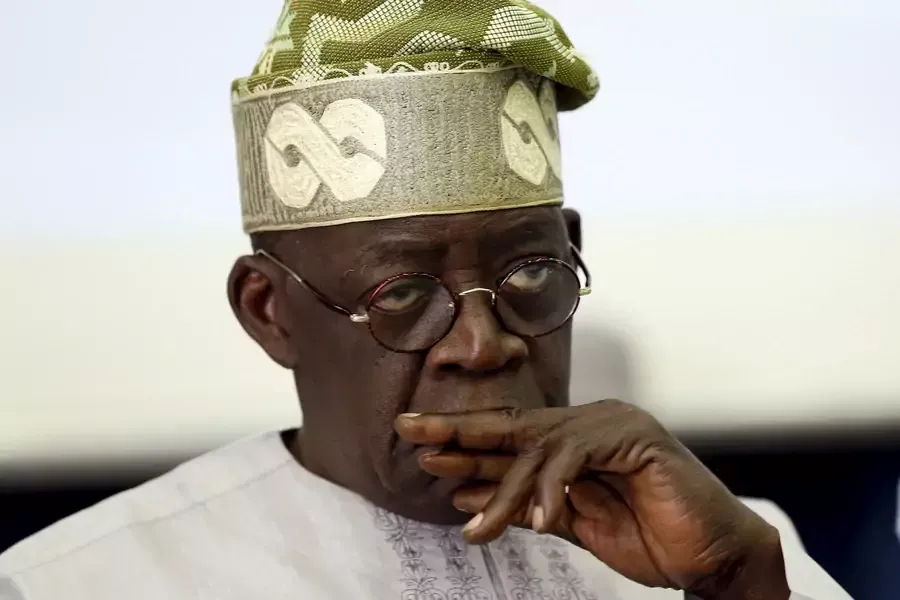
The disclosure lands as Tinubu reportedly seeks a meeting with President Donald Trump at the upcoming UN General Assembly, and as a federal court case that forced these same agencies to start releasing related records remains active. That timing is what turns an old paper trail into a live diplomatic problem.
The lobbyist, Avon Batten-Montague-York, announced the move in a statement posted on X on Monday, July 20. The firm is associated with former Nigerian vice-president Atiku Abubakar, Tinubu's rival in the 2023 election. According to the statement, the documents were shared after discussions with members of the Trump administration, congressional staff and members of Congress themselves.
"Many within the U.S. government were previously unaware of the DOJ's allegations concerning Bola Tinubu," the firm wrote. "We are changing that." The firm said it released only a two-page chronology publicly, while promising to bring the complete set, court filings, affidavits and federal court decisions, directly to Trump's attention.
What the chronology alleges
The chronology traces a federal investigation running from 1988 to 1991 into what prosecutors described as a Nigeria-based heroin trafficking organization operating in the United States. It names three individuals: Tinubu, Adegboyega Mueez Akande and Abiodun Agbele.
According to the document, investigators alleged that proceeds of the trafficking operation were deposited into US bank accounts owned or controlled by Tinubu, and that he opened multiple such accounts to receive and transfer the funds. The chronology alleges Akande led the organization and provided money used to open one of those accounts. Agbele, whom Tinubu allegedly acknowledged knowing through Akande, was arrested after allegedly selling heroin to an undercover officer, then cooperated with investigators, per the document.
None of these are new allegations. They are decades old. What is new is the venue: a formal push to place them in front of sitting US officials at the moment Nigeria's president is angling for a White House audience.
The court order behind the release
Related News
- Sheikh Hamad bin Khalifa Al Thani, who ruled Qatar for 18 years, died Sunday morning at age 74.
- At least nine Palestinians were killed by Israeli fire in Gaza on Wednesday, medical sources told Anadolu, in the latest breach of a ceasefire now in its ninth month.
- UK Prime Minister Keir Starmer apologized in Parliament on Thursday
This disclosure did not happen in isolation. It follows an April 2025 ruling by US District Judge Beryl Howell, who ordered the FBI, DEA, IRS, CIA and other agencies to process and release records tied to the 1990s investigation into Tinubu.
Howell ruled partly in favor of a man named Greenspan, who had sued the agencies for violating the Freedom of Information Act by withholding records on investigations involving Tinubu and Agbele. Her ruling held that the FBI and DEA could no longer issue "Glomar" responses, the standard refusal to confirm or deny a record's existence, because the agencies had already publicly acknowledged Tinubu had been investigated.
Howell wrote that continuing to shield the records' existence was "neither logical nor plausible." She found that the public interest in disclosure outweighed remaining privacy concerns, particularly since the CIA had already confirmed it held responsive records.
Greenspan's FOIA suit began in 2023. That October, he filed an emergency motion asking the court to force immediate disclosure ahead of the Nigerian Supreme Court's hearing on petitions challenging Tinubu's election. The court denied that motion. On the same day, Tinubu moved to intervene in the case, arguing the requested records contained confidential tax information and law enforcement material protected under the Privacy Act and FOIA exemptions.
How this reached Nigerian courts before
The US case surfaced prominently during Nigeria's own 2023 election litigation. Tinubu's opponents, Atiku Abubakar and Peter Obi, cited the American proceedings to challenge his constitutional qualification to run for president. Both the Presidential Election Petition Court and Nigeria's Supreme Court dismissed those claims and upheld Tinubu's election. He has consistently denied wrongdoing.
What has changed since is the release mechanism. Howell's order compels agencies to process the FOIA request, not to hand every document to a lobbyist. Batten-Montague-York's statement does not specify whether the "complete collection" it says it will deliver to Trump derives from Howell's compelled disclosures, from court dockets already public, or from other sources. That distinction determines whether this is a lobbying campaign built on newly unsealed federal records or a repackaging of filings that have circulated since 2023.
Two things remain unresolved. First, whether the FBI, DEA, IRS and CIA have actually completed the document processing Howell ordered in April 2025, and if so, what volume of material has been turned over to Greenspan versus what remains under agency review. Second, whether the Trump administration responds to the lobbyist's outreach at all, and whether that response affects the reported plans for a Tinubu-Trump meeting at the UN General Assembly. Neither the White House nor the Nigerian presidency has issued a public statement addressing Batten-Montague-York's disclosure as of this writing.
Add a Comment