


That figure matters now because Nigeria's deepwater terminals, Bonny, Forcados and Escravos, are posting their strongest output numbers in years, and the security arrangement behind that recovery is neither permanent nor uncontested. A House of Representatives committee moved in June to entrench it further, while rival Niger Delta stakeholders are still fighting to break it apart.
The contract belongs to Tantita Security Services, a company owned by Government Ekpemupolo, widely known as Tompolo. Nigerian Upstream Petroleum Regulatory Commission officials and host community groups in Edo credit the arrangement with cutting pipeline theft and vandalism sharply enough to explain the terminals' turnaround. The company's mandate is pipeline surveillance. Its founder's history is militancy. Tompolo once led the Movement for the Emancipation of the Niger Delta, the group most responsible for the very sabotage his firm is now paid to prevent.
That reversal has not gone unchallenged. Rival stakeholders accuse Tompolo of monopolizing a national security function that should sit with the Nigerian Navy, and of using the contract to sideline other ethnic nationalities, including the Isoko, Kalabari and Itsekiri, from a lucrative arrangement concentrated in one network. In June, the House of Representatives committee formally rejected calls to break the contract into smaller, competitively awarded pieces. It backed a long term renewal instead. No vote count or bill number for that committee decision appears in the record reviewed here, a gap worth flagging for anyone trying to verify how the renewal was actually passed.
Tompolo is not the only former insurgent whose past now shapes current oil policy. Asari Dokubo, founder of the Niger Delta People's Volunteer Force, sat beside Nigeria's defence minister this month to discuss security and oil production in the Delta, appearing in his capacity as Paramount Ruler of Elem Kalabari. Dokubo has pledged more than once to help stop oil theft entirely. In the same year, he has also declared himself a jihadist on social media, a claim critics say he is using, alongside unrelated political grievances, as leverage to secure his own oil protection contract. The Movement for the Emancipation of the Niger Delta has faded as a coherent fighting force since the 2009 amnesty. Its former commanders have not faded with it. They have moved from sabotage to state procurement, a shift that stabilizes output without answering who the Delta's oil wealth is actually for.
That unanswered question runs directly through the Niger Delta Development Commission, the federal body created in 2000 to convert oil revenue into development for the region. A forensic audit submitted to the presidency in September 2021 found more than six trillion naira in spending unaccounted for, tied to 13,777 abandoned projects. Four years later, that report has still not been published.
A Federal High Court ordered President Tinubu in November to release the audit and name those indicted in it. As of this writing, the presidency has not acted on that judgment. In May, Niger Delta activists demanded a fresh forensic probe into the commission's current leadership, citing alleged ties to a former governor now facing treason charges. No court has yet set a date for the presidency to explain its non-compliance with the November order, and no indicted names have been made public.
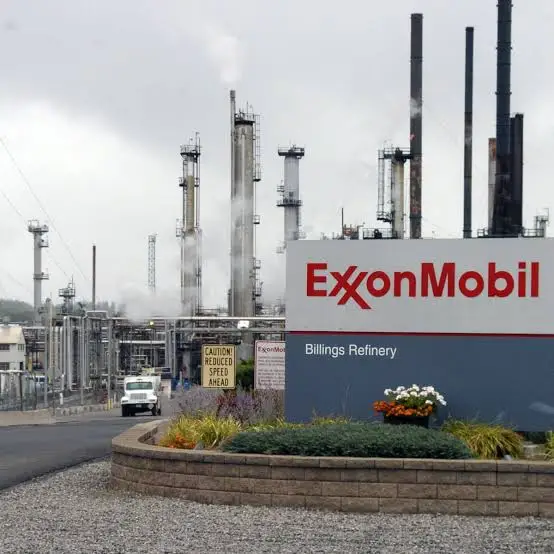
The contrast between that unresolved audit and the investment headlines coming out of the same region is stark. ExxonMobil has returned to deepwater Nigeria. Shell is reportedly discussing twenty billion dollars in new commitments. The Petroleum Industry Act is largely credited with making that possible, having done in a few years what a decade of divestment threats from IOCs could not: made the deepwater terms competitive again, and cleared enough space onshore for a credible indigenous oil sector to take root on its own footing.
But the security underpinning that recovery runs on personal loyalty networks, not institutional capacity. The men now paid to guarantee pipeline safety are the same men whose leverage originally came from their proven ability to disrupt it. That arrangement produces calm. It does not produce a settlement. Tantita's contract renewal was backed by a parliamentary committee, not decided through an open competitive tender, according to the June committee decision. Dokubo's positioning for a similar role is unfolding through public statements and appointments, not through a transparent selection process.
Related News
None of this is disclosed in the investment conference panels touting record capital inflows into Nigerian deepwater fields, fields most Niger Delta communities will never see the inside of. The Petroleum Industry Act promised host communities trust funds meant to translate oil wealth into roads, schools and clean water. Whether those funds are reaching communities in Edo, Delta, Bayelsa and Rivers states in the form the law promised is not addressed in the material reviewed here, and no NDDC financial statement from the past four years has been made public against which those promises could be checked.
Three threads remain open. The Federal High Court's November order to release the NDDC forensic audit and name indicted individuals has not been complied with, and no new hearing date has surfaced. The Tantita contract, reportedly worth 48 billion naira annually, was renewed long term by a House committee in June without, on the record available, competitive tender. And the activists who called in May for a fresh probe into the NDDC's leadership, over ties to a former governor facing treason charges, have not said whether that former governor has been named in any court filing tied to the commission itself. Until the NDDC's books are opened and the Tantita contract faces a genuine competitive process rather than a parliamentary defense, the Delta's current calm remains what the last two decades have already shown it to be: rentable, and reversible.
Add a Comment