


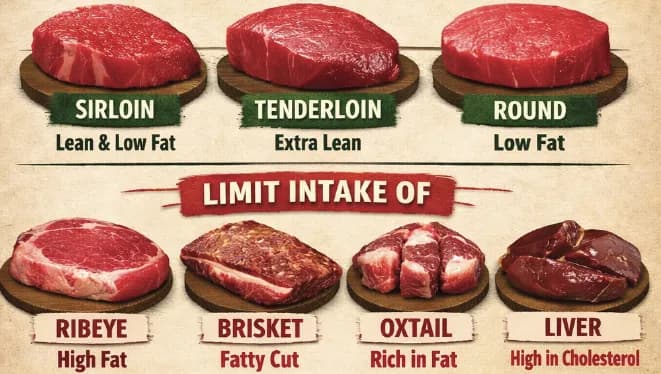
Beef remains one of the most widely consumed sources of animal protein in Nigeria and across the world. From suya spots in Lagos to home kitchens in Abuja and Port Harcourt, cow meat is a regular feature on dining tables. However, as cases of heart disease, obesity and other diet related illnesses continue to rise, questions about which part of cow meat is safest to eat have become more urgent.
According to the World Health Organization, high intake of red and processed meat is associated with an increased risk of colorectal cancer and cardiovascular disease. Meanwhile, nutritionists insist that moderate consumption of lean beef can still be part of a balanced diet. The key, they say, lies in choosing the right cuts and controlling portion sizes.
Understanding the Different Parts of Cow Meat
A cow is divided into several primary sections, each with different fat content, tenderness and nutritional value. These differences matter.
1. Sirloin
Sirloin is widely regarded by dietitians as one of the leanest and healthiest parts of beef. It comes from the back portion of the animal and contains relatively low fat compared to rib or brisket cuts. According to registered dietitian Dr. Lisa Young of New York University, lean cuts such as sirloin provide high quality protein, iron and vitamin B12 without excessive saturated fat when trimmed properly.
Recommended intake: Up to 70 to 100 grams per serving, no more than three times per week for healthy adults, based on guidance from the American Heart Association on red meat moderation.
2. Tenderloin
Tenderloin, sometimes referred to as filet, is another lean option. It is tender and lower in fat than many other premium cuts. Because it contains less connective tissue and visible fat, it is often recommended for individuals monitoring cholesterol levels.
Related News
Recommended intake: Similar to sirloin, moderate portions of 70 to 100 grams, consumed occasionally rather than daily.
3. Round Cuts
Cuts labeled “round” come from the rear leg and are generally lean. Top round and bottom round steaks are lower in fat compared to ribeye or short ribs. Nutrition experts say these cuts are preferable for individuals concerned about heart health.
Recommended intake: 2 to 3 servings per week, depending on total dietary pattern.
4. Brisket
Brisket comes from the breast or lower chest. It is flavorful but contains higher levels of fat, particularly when not trimmed. Slow cooking methods can also retain fat content.
Recommended intake: Occasional consumption. Experts advise limiting brisket to once a week or less, especially for people with high cholesterol.
5. Rib and Ribeye
Rib cuts, including ribeye steak, are among the fattiest parts of the cow. They are rich in marbling, which enhances flavor but increases saturated fat levels.
According to Harvard T.H. Chan School of Public Health, diets high in saturated fat can raise LDL cholesterol, a known risk factor for heart disease.
Recommended intake: Infrequent consumption. Ideally once or twice a month in moderate portions.
6. Shank and Oxtail
Shank and oxtail are popular in many African soups and stews. They contain connective tissue and can be high in fat depending on preparation method.
Recommended intake: Occasional use, with fat skimmed off during cooking.
7. Organ Meats such as Liver and Kidney
Organ meats are nutrient dense. Liver, for instance, is extremely rich in vitamin A, iron and other micronutrients. However, excessive vitamin A intake can be harmful.
Health professionals advise limited portions, particularly for pregnant women, who are often cautioned about high vitamin A levels.
Recommended intake: Small servings once every one to two weeks.
What Health Professionals Say
The American Heart Association recommends limiting saturated fat intake to less than 10 percent of daily calories. Meanwhile, the World Cancer Research Fund advises that individuals consume no more than 350 to 500 grams of cooked red meat per week. That translates to roughly three modest portions.
In Nigeria, dietitian and public health nutrition advocate Mrs. Abiola Adeyemi notes that portion control is often overlooked. “The problem is rarely one serving of lean beef,” she said during a recent health webinar in Lagos. “The issue is frequency, cooking methods, and the overall dietary pattern.”
According to her, frying beef in excess oil or pairing it with refined carbohydrates and sugary drinks increases health risks. Grilling, baking or boiling with minimal added fat is generally safer.

Nigeria is experiencing a steady rise in non communicable diseases, including hypertension and diabetes. According to the Nigerian Heart Foundation, cardiovascular diseases account for a growing share of adult deaths. Diet plays a central role.
Meanwhile, global debates about red meat have intensified following reports from the World Health Organization classifying processed meat as carcinogenic and red meat as probably carcinogenic when consumed in high amounts.
However, experts caution against extreme reactions. Beef is a valuable source of protein, zinc and iron, particularly in regions where anemia remains common. Eliminating it entirely may not be necessary for most people.
The more pressing concern is balance.
A Less Discussed Perspective
One insight that receives less attention is the role of preparation culture. In many Nigerian households, beef is not consumed as a standalone steak but as part of soups, stews and mixed dishes. This often means smaller meat portions distributed across several servings. From a nutritional standpoint, this pattern may reduce individual saturated fat intake compared to Western style large steak servings.
Additionally, combining beef with fiber rich vegetables such as ugu, okra or spinach can improve digestion and offset some cardiovascular risks. Studies show that dietary fiber helps regulate cholesterol levels.
Practical Guidance for Safe Consumption
Health experts generally agree on several principles:
- Choose lean cuts such as sirloin, tenderloin and round.
- Trim visible fat before cooking.
- Avoid charring meat excessively, as burnt portions may contain harmful compounds.
- Limit portion size to roughly the size of your palm.
- Balance meals with vegetables, whole grains and legumes.
- Avoid daily consumption of red meat.
For individuals with hypertension, high cholesterol or heart disease, doctors often recommend further reducing intake or replacing red meat with fish or plant based proteins several days a week.
As dietary awareness grows, consumers are becoming more selective about meat quality. Grass fed and locally sourced beef are gaining attention, though evidence on their long term health advantages remains mixed.
Meanwhile, public health campaigns continue to emphasize moderation rather than elimination. Experts say clearer labeling of fat content in markets and butcheries could help consumers make better decisions.
There is no single part of cow meat that carries zero health implications. However, lean cuts such as sirloin, tenderloin and round are generally considered safer when eaten in moderate portions. Fattier cuts like ribeye and brisket should be limited.
Ultimately, the impact of cow meat on health depends on frequency, portion size and overall dietary pattern. In moderation and prepared thoughtfully, beef can remain part of a healthy diet. The conversation, experts say, is not about fear but about informed choices.
Add a Comment