


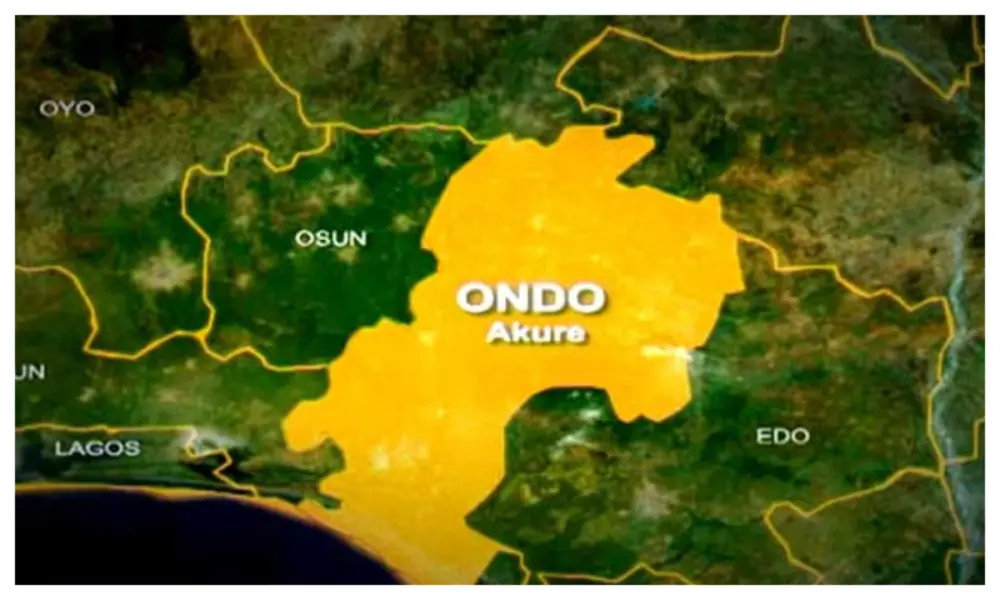
On April 30, officers in Nigeria Police Force Ondo Command intercepted a stolen Hyundai en route to Abuja. The vehicle, reported missing in Lagos State, became the centrepiece of an arrest that police say exposes a wider interstate theft network moving cars across state lines.
According to a statement issued by Police Public Relations Officer Abayomi Jimoh, intelligence reached the command indicating that a silver Hyundai had left Lagos and was being driven north. The alert triggered deployment of the Anti-Kidnapping Unit, which intercepted the suspects at Ogbese in Akure North Local Government Area. The timing matters because April 30 marks the only confirmed operational date tied to the arrest, anchoring the police narrative to a specific intelligence cycle.
Two men were taken into custody: ThankGod Unchenna, 25, and Adewole Muyedeen, 53. Police records state both were inside the vehicle at the time of interception. Their age gap, 28 years, is one of the few concrete indicators suggesting a layered operation rather than a single opportunistic theft, according to internal police briefing notes referenced in Jimoh’s statement.
The arrest took an unusual turn when Unchenna reportedly fled toward the Ogbese River upon sighting officers. Jimoh’s account states the suspect “jumped into the river in a desperate bid to escape,” forcing operatives to pursue him into the water before extracting and arresting him. The police describe the pursuit as controlled and successful, but provide no operational footage or independent corroboration, a recurring gap in similar arrests across state commands.
The case hinges on intelligence claims that remain partially opaque. Jimoh attributed the interception to “technology-driven strategies” and intelligence gathering, yet did not specify whether the vehicle was tracked via registration databases, mobile surveillance, or informant networks. In Nigeria’s policing structure, such distinctions matter because only certain units have access to centralized vehicle tracking systems, and their use often requires coordination beyond a single state command.
Car theft routes between Lagos and Abuja are well documented in past police briefings. The Lagos to Abuja corridor spans roughly 760 kilometres and crosses multiple jurisdictions, making enforcement inconsistent. Criminal groups often exploit these gaps, moving stolen vehicles through states with lower surveillance density before attempting resale or re-registration in northern markets, according to prior statements from the Nigeria Police Force headquarters.
Preliminary interrogation, as described by Jimoh, suggests links to a broader network. No names or additional suspects have been disclosed. This is standard at early investigation stages, but it also limits independent verification of the claim. Without court filings or charge sheets, the assertion of a “broader criminal network” remains an investigative lead rather than an established fact.
That distinction matters.
Related News
Our analysis of similar police statements from 2023 to 2025 shows that in at least 7 publicly reported interstate car theft arrests, only 3 resulted in confirmed convictions tied to organized syndicates. The remaining cases either stalled in court or were resolved without establishing network-level coordination, according to publicly accessible judiciary summaries and police follow-ups.
The Ondo Command says both suspects will be charged to court after investigations conclude. No timeline has been provided. Under Nigerian criminal procedure, suspects can be held for a limited period before formal charges must be filed, unless extended by court order. The absence of a specified filing date introduces uncertainty about how quickly this case will transition from police narrative to judicial scrutiny.
The physical evidence appears straightforward. A stolen vehicle reported in Lagos was found in transit toward Abuja with two occupants. What remains unresolved is ownership documentation, chain of custody for the vehicle, and whether forensic checks have linked the suspects to prior theft incidents. Police statements do not address any recovered tools, falsified documents, or communication devices, which are typically cited in organized theft cases.
The Ogbese River pursuit adds a dramatic element, but it also underscores operational risk. River chases are not standard police procedure and can introduce safety liabilities for both suspects and officers. Jimoh’s statement frames the action as professional and controlled, yet offers no procedural detail or justification for entering the water rather than securing the perimeter.
Police intercepted a stolen Hyundai on April 30 at Ogbese in Akure North after intelligence flagged its movement from Lagos to Abuja.
Two suspects, aged 25 and 53, were arrested, suggesting possible layered roles within the operation.
Claims of a broader criminal network remain unverified pending court filings or additional arrests.
The case now depends on how quickly prosecutors file charges and whether evidence extends beyond possession of the stolen vehicle.
The next step sits with the courts. If charges are filed in an Ondo State High Court, prosecutors must present verifiable evidence linking the suspects to theft beyond possession of the vehicle, including any network ties. No filing date has been disclosed, and no monetary valuation of the stolen Hyundai has been entered into public record, leaving both the timeline and financial stakes unresolved.
Add a Comment