


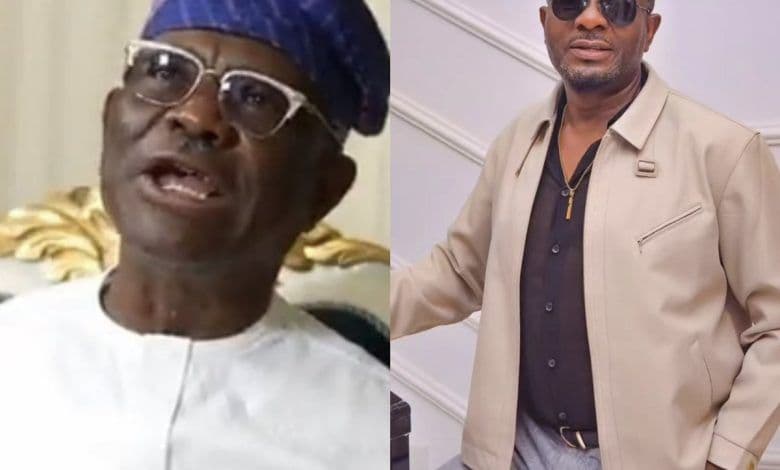
Emeka Ike says a government official publicly disclosed voter registration information that should not have been accessible without authorization.
Screenshots shared online allegedly revealed multiple personal records, including voter identification details and a passport photograph.
The controversy has placed renewed scrutiny on INEC's data protection controls ahead of future electoral contests.
As of filing, INEC had not issued a public explanation addressing how the information was obtained or whether any system rules were breached.
A social media post containing Emeka Ike's voter registration details has triggered a dispute that now extends beyond partisan politics into questions of data security, institutional accountability and voter privacy.
The actor and politician says he is preparing legal action.
The controversy emerged after Lere Olayinka, media aide to the Minister of the Federal Capital Territory, Nyesom Wike, published information on X relating to Ike's voter registration history. According to the post, Ike was originally registered as a voter in Imo State before transferring his registration to the Federal Capital Territory on May 15.
The publication included screenshots that appeared to originate from an administrative section of the Independent National Electoral Commission's voter management system.
Related News
The images reportedly displayed an application number, voter identification number, polling unit information, registration date, passport photograph and personal identification details associated with Ike's voter record. The screenshots quickly circulated across social media platforms, prompting questions about who can access electoral records and under what circumstances.
At the center of the dispute is not whether Ike transferred his voter registration. The issue is whether information stored within INEC systems was accessed and publicly distributed in a manner consistent with Nigerian law and electoral regulations.
That distinction is critical.
According to material circulated online, Olayinka's post sought to challenge political narratives surrounding Ike's decision to contest for the House of Representatives seat representing AMAC/Bwari Federal Constituency under the Nigerian Democratic Congress (NDC).
The information presented in the screenshots appeared intended to establish a timeline of Ike's voter registration history. Yet the publication immediately shifted attention away from the political argument itself and toward the source of the information.
Many social media users questioned how records allegedly housed within INEC databases became available for public dissemination. Some commentators argued that the issue raised concerns about privacy protections for millions of registered voters whose information is stored by the electoral commission.
During an appearance on Channels Television's "The Morning Brief," Ike described the publication as an abuse of access to sensitive information and a violation of privacy rights.
"It’s quite shocking, extreme and it is the height of political rascality for government officer to access a citizen’s information from the INEC cyber," Ike said during the interview.
According to Ike, the publication suggested that individuals with political influence may have access to information ordinary citizens expect to remain protected. He argued that such conduct undermines confidence in institutions responsible for safeguarding personal data.
The claim is significant because Nigerian data protection rules impose obligations on institutions handling personal information. Electoral records contain identifying information that can include photographs, addresses, dates and registration histories. The specific legal implications of publishing such information would likely depend on how the records were obtained and whether consent or lawful authority existed for their disclosure.
No public determination has been made.
Ike also confirmed that he is considering legal action against Olayinka. According to his remarks, preparations for a lawsuit were already underway.
"Actions are ready, I'm ready to take him on," Ike said. "He has no right to exploit my privacy and insult Nigerians the way he did."
Questions for INEC
The Independent National Electoral Commission now faces questions that extend beyond the dispute between two political actors.
As custodian of Nigeria's voter register, INEC maintains one of the country's largest repositories of personal information. The commission's systems contain records for tens of millions of registered voters accumulated across multiple election cycles.
The unanswered question remains straightforward.
Did the screenshots originate from a legitimate administrative interface, and if so, under what authority was the information accessed?
We reviewed the statements publicly attributed to both parties and found that neither side produced documentary evidence explaining how the records were obtained. Olayinka's public comments focused on the registration transfer itself. Ike's response focused on the legitimacy of accessing and publishing the information.
Without an official explanation from INEC, it remains impossible to independently verify whether the screenshots resulted from authorized access, unauthorized access, or the use of information obtained from another source.
That uncertainty now defines the story.
The dispute arrives at a time when data protection has become a growing issue in Nigerian public life. Government agencies increasingly maintain digital records containing extensive personal information. Each new database creates questions about access controls, audit trails and accountability mechanisms.
The reality is that voter registration systems occupy a particularly sensitive position because participation in elections requires citizens to submit personal information to a public institution.
Citizens do not have many alternatives.
For that reason, public confidence depends heavily on the belief that information collected for electoral purposes will not later be used for unrelated political disputes. Whether that occurred in this case remains unproven. Yet the controversy itself demonstrates how quickly concerns emerge when sensitive records appear in public circulation.
The controversy also drew attention to Ike's political plans in the Federal Capital Territory.
During the Channels Television interview, he explained that he initially intended to pursue political office in Imo State but later shifted focus after supporters encouraged him to run in Abuja. He said those appeals influenced his decision to seek representation of the AMAC/Bwari Federal Constituency under the NDC platform.
It also explains why details about voter registration transfers became politically relevant in the first place. Eligibility questions, residency considerations and voter registration history can become subjects of scrutiny during electoral contests.
The scrutiny, however, has now moved elsewhere.
Add a Comment