


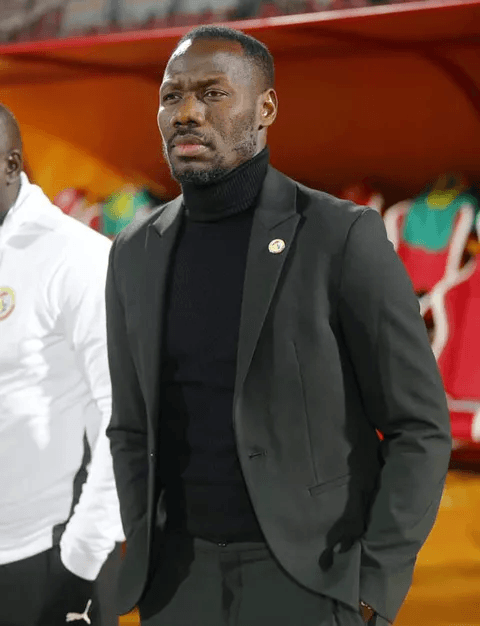
Contrary to reports circulating in parts of the media, the Confederation of African Football has not suspended Senegal head coach Pape Thiaw following the dramatic events of the AFCON 2025 final against Morocco. According to BSNSports.com.ng, CAF officials have confirmed that no formal decision has been taken and that the matter remains under internal review.
The clarification comes after days of speculation suggesting that CAF had already sanctioned Thiaw for his actions during the final, one of the most closely watched matches of the tournament. Those reports gained traction on social media and some online platforms, prompting confusion among fans and stakeholders across the continent.
What happened during the AFCON 2025 final
The controversy stems from a tense moment in the AFCON 2025 final when Morocco were awarded a penalty following a decision that Senegal strongly disputed. In protest, Thiaw instructed his players to walk off the pitch, an action that immediately drew attention from match officials and global broadcasters.
After several minutes of stoppage and intervention, the Senegal players returned to the field. The match resumed, was completed without further interruption, and Senegal eventually went on to win the AFCON 2025 title.
While the trophy celebrations followed, the incident overshadowed parts of Senegal’s triumph. According to reports at the time, both FIFA and CAF condemned the decision to leave the pitch, with many observers calling for disciplinary measures against the Senegalese coach.
CAF response and current status
An update from CAF headquarters in Cairo has now clarified the situation. According to CAF officials, neither the Executive Committee nor the Disciplinary Committee has met to deliberate on Thiaw’s conduct during the final.
Related News
As a result, no suspension, fine, or other formal sanction has been imposed on the Senegal coach. Officials indicated that CAF’s internal processes must be followed before any decision can be announced, and that communication will only come after the relevant bodies have reviewed the incident.
This clarification directly contradicts claims that disciplinary action had already been taken, underscoring the gap that often emerges between official procedures and rapid online reporting during major tournaments.
Why the incident matters beyond one match
Walkouts or attempted walkouts remain one of the most serious forms of protest in football, particularly during international tournaments. CAF regulations, like those of FIFA, place a strong emphasis on maintaining the integrity of competition and ensuring that matches are completed once they begin.
Even though Senegal returned to the pitch and fulfilled the fixture, Thiaw’s initial instruction raised broader questions about how far coaches can go in protesting refereeing decisions. The issue is especially sensitive in finals, where global audiences, commercial interests, and tournament credibility are all at stake.
Analysts note that CAF’s eventual decision will likely set an important precedent. A strong sanction could serve as a warning to coaches across Africa, while a more measured response may acknowledge the emotional intensity of a final without fully endorsing the protest.
One factor working in Thiaw’s favour is that the protest did not ultimately lead to match abandonment. Senegal completed the game and lifted the trophy, avoiding a worst-case scenario for CAF that could have included a replay, forfeiture, or legal disputes.
However, football governance experts often point out that instructions from technical staff carry significant weight. Even brief walkouts can undermine referees and place match officials under immense pressure.
CAF now faces the challenge of balancing discipline with context. The decision must account for tournament regulations, the behaviour of the technical bench, and the fact that emotions in finals often run higher than in earlier rounds.
Reactions across the football community
The incident sparked widespread debate across Africa’s football community. Former players and analysts expressed divided views, with some defending Thiaw’s reaction as a spontaneous response to a high-stakes decision, while others argued that experienced coaches must model restraint regardless of circumstances.
Although CAF has not yet released official comments beyond confirming that no decision has been made, the strong reaction from fans and pundits highlights growing scrutiny of officiating standards and disciplinary consistency in African football.
Attention now turns to when CAF’s Executive and Disciplinary Committees will convene. Once those meetings take place, an official statement is expected to clarify whether Thiaw will face sanctions, warnings, or no action at all.
The outcome could influence future guidance issued to coaches and national teams ahead of upcoming CAF competitions. It may also shape how protests over refereeing decisions are handled in future AFCON tournaments.
For Senegal, the uncertainty adds a post-tournament subplot to what was otherwise a successful AFCON campaign. For CAF, the handling of the case will be closely watched as a test of governance transparency and procedural fairness.
AFCON 2025 was marked by intense competition and several controversial refereeing decisions, reflecting ongoing debates about officiating standards across continental tournaments. CAF has previously emphasized its commitment to improving referee training and match control, making the Thiaw case particularly sensitive.
Against that backdrop, any ruling will be interpreted not only as a judgment on one coach’s actions but also as a signal of CAF’s broader disciplinary philosophy.
Despite widespread reports suggesting otherwise, CAF has not suspended Senegal head coach Pape Thiaw over his conduct during the AFCON 2025 final. According to BSNSports.com.ng and confirmed by CAF officials, the matter remains under review, with no committee meetings yet held.
As African football awaits a formal decision, the episode highlights the fine line between emotional protest and regulatory breach. Whatever CAF decides next is likely to resonate far beyond one final, shaping expectations for conduct at the highest level of the continent’s game.
Add a Comment