


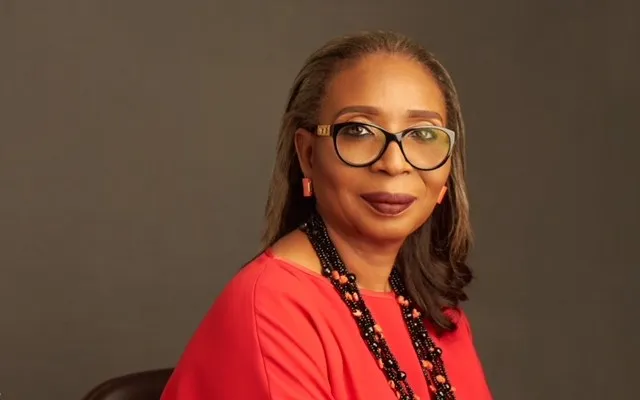
Nigeria’s former top banker and business leader, Ibukun Awosika, has raised concerns that a number of prominent Nigerians who project wealth in public are privately burdened by heavy debt, warning that appearances can conceal serious financial strain.
Awosika, who previously served as chairperson of First Bank of Nigeria, made the remarks during a preaching engagement focused on wealth, discipline, and personal responsibility. Speaking candidly about lessons from her banking career and personal life, she said many high-profile individuals maintain extravagant lifestyles that are not supported by their actual financial position.
Her comments come at a time when Nigeria is grappling with economic pressures, including inflation that stood above 28 percent in recent National Bureau of Statistics data, rising living costs, and currency volatility. Analysts say such conditions have intensified pressure on households and businesses, including wealthy elites who may rely on credit to sustain lifestyles built during more stable economic periods.
Awosika told the audience that her experience in banking exposed her to the hidden financial realities of influential figures.
“I was chairman of a very popular bank, and you would be shocked if I told you that many wealthy Nigerians, very big names, are living in debt while maintaining a lavish public lifestyle,” she said.
According to her, the true state of finances often becomes clear only after death, leaving families surprised by liabilities that contradict the image of prosperity projected in public.
“Until they die, their families often don’t even know the true state of their finances and how broke they’re,” she added.
Financial experts say the phenomenon is not unique to Nigeria but may be more visible in societies where social status is closely tied to outward displays of success. Lagos-based financial analyst Kola Adeyemi noted that access to credit facilities, combined with social expectations, can push even wealthy individuals into unsustainable borrowing.
Related News
“High earners are not immune to debt. In fact, banks often extend larger credit lines to them because they appear low risk,” Adeyemi said. “Without discipline, debt can spiral, especially when income fluctuates.”
Nigeria’s credit culture has expanded in recent years, with digital lending platforms and consumer loans becoming more accessible. According to data from the Central Bank of Nigeria, personal loans and advances have grown steadily, reflecting increased borrowing across income levels.
Beyond warning about hidden debt, Awosika also spoke about financial dynamics within marriage, drawing from her own experience. She revealed that for more than ten years she earned more than her husband while he pursued a career in the public sector, a situation that could have caused tension but instead strengthened their partnership.
Rather than viewing income differences as a source of conflict, she said they approached it as a shared investment in their family’s future.
She urged couples not to allow money to become a dividing issue, particularly in households where traditional expectations about gender roles may create pressure.
“So when I say do not make money an issue in your home, I mean it,” she said. “Money is a tool. Use it to achieve things together, whether it comes from the man or the woman. One plus one is one. It is not mathematics.”
Relationship counsellors say financial disagreements remain one of the leading causes of marital conflict globally. A 2023 survey by a Lagos family support organisation found that nearly 6 in 10 couples identified money as a major source of tension.
Awosika’s message, observers say, resonates with ongoing conversations about financial literacy in Nigeria, where entrepreneurship and wealth creation are widely promoted but long-term financial planning is less frequently discussed.
Her career has made her a prominent voice on leadership and enterprise development. As one of Nigeria’s most recognisable female executives, she has often advocated responsible wealth creation, mentoring young entrepreneurs and serving on corporate boards.
Public reaction to her remarks has been mixed. Some social media users praised her for highlighting what they describe as a culture of performative wealth, while others argued that debt can be a strategic tool in business when properly managed.
Economists note that borrowing itself is not inherently negative, particularly for investment purposes. However, problems arise when loans fund consumption rather than productive activities.
“Debt used to grow businesses can be healthy,” said economist Bismarck Rewane in a recent television interview on Nigeria’s economic outlook. “But debt used to maintain appearances is risky because it does not generate returns.”
Awosika’s comments also highlight the broader issue of transparency in personal finance, especially among influential figures whose lifestyles shape public perceptions of success. Experts say such narratives can encourage younger Nigerians to prioritise image over sustainability, potentially leading to poor financial decisions.
The discussion comes as many Nigerians reassess spending habits amid economic uncertainty. Rising fuel prices, higher electricity tariffs, and currency fluctuations have forced both households and companies to cut costs.
For readers, the story underscores a simple but often overlooked point: visible wealth does not always reflect financial health. Analysts say the lesson applies not only to elites but to anyone navigating today’s economic climate.
Awosika concluded her remarks by urging individuals and families to focus on discipline, honesty about finances, and shared goals rather than public perception.
As Nigeria continues to debate issues of wealth, inequality, and economic resilience, her comments add a personal perspective from someone who has seen the financial system from the inside. The broader outlook, experts say, will depend on how seriously individuals and institutions embrace financial education and responsible borrowing.
Add a Comment