


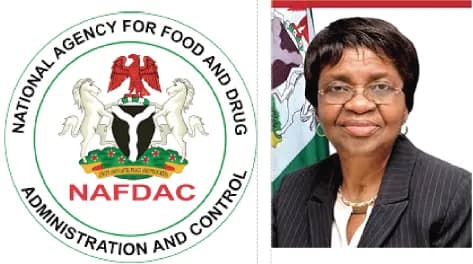
NAFDAC Enforces Ban on Sachet Alcohol Sales as Concerns Grow Over Youth Drinking in Nigeria
Nigeria’s drug and food regulator, the National Agency for Food and Drug Administration and Control, has begun enforcing a nationwide ban on the production and sale of alcoholic beverages in sachets and small polyethylene packs. The move, which has been under consideration for several years, is aimed at curbing underage drinking and reducing harmful alcohol consumption, particularly among young Nigerians.
According to reports by Punch Newspapers and other local media outlets, NAFDAC said the restriction targets high alcohol content spirits commonly packaged in sachets of 30ml to 200ml. These products are widely available across Nigeria and often retail at very low prices, making them easily accessible to minors and low income consumers.
The enforcement marks a significant step in Nigeria’s public health policy at a time when concerns are mounting over substance abuse among young people.
The restriction on sachet alcohol is not entirely new. Discussions around regulating small sized alcoholic drinks gained traction in the late 2010s. In 2018, NAFDAC announced plans to phase out sachet and small bottle spirits below 200ml as part of a broader strategy to reduce alcohol misuse.
However, implementation was delayed following consultations with manufacturers and trade groups, including the Distillers and Blenders Association of Nigeria. Industry stakeholders had argued that an abrupt ban would lead to job losses, factory closures, and a surge in illicit alcohol production.
After a transition period, NAFDAC has now moved to fully enforce the policy. The agency maintains that public health considerations outweigh economic concerns.
A senior NAFDAC official, speaking during a media briefing in Abuja, said the decision aligns with recommendations from the World Health Organization, which has repeatedly urged countries to limit access to cheap, high strength alcohol as part of strategies to reduce harmful drinking.
Related News
- A Nigerian skate brand just became adidas' first official Nigerian collaborator.
- A senior ISWAP finance operative surrendered to Nigerian troops at 6:45 a.m. on July 25 along the Gamboru-Wulgo Main Supply Route in Borno State.
- Nigeria's reported digital payment fraud losses fell 52 percent last year, dropping to N25.85 billion from N52.26 billion in 2024.
The renewed focus on alcohol regulation comes amid rising reports of substance abuse among Nigerian youths. Recent data from public health surveys and rehabilitation centres show increasing cases of alcohol dependency among teenagers and young adults.
According to the World Health Organization’s Global Status Report on Alcohol and Health, harmful use of alcohol contributes to more than three million deaths globally each year. The report also highlights that early initiation of drinking increases the risk of long term dependency, mental health disorders, and chronic diseases.
In Nigeria, sachet alcohol has often been sold in kiosks, roadside stalls, and informal markets with little to no age verification. Public health experts argue that the packaging makes it easy to conceal and consume discreetly, even within school environments.
Dr Amina Yusuf, a public health researcher at the University of Lagos, told a local radio station that affordability plays a critical role. She explained that when alcohol is sold in small sachets at very low prices, it lowers the barrier to entry for experimentation among teenagers.
Meanwhile, child rights advocates say the ban could help reduce early exposure to alcohol. They note that adolescence is a period of rapid brain development, and alcohol can interfere with cognitive functions, impulse control, and emotional regulation.
What Research Says About Alcohol and Young People
Extensive research has examined the impact of alcohol on the developing brain. Studies published in medical journals such as The Lancet and reports from the World Health Organization show that the prefrontal cortex, which governs decision making and risk assessment, continues developing into the mid twenties.
Regular alcohol consumption during adolescence has been linked to memory impairment, reduced academic performance, and increased likelihood of engaging in risky behaviours. These include unsafe sexual practices, violent conduct, and substance experimentation.
Beyond neurological effects, alcohol misuse is associated with long term health conditions such as liver disease, cardiovascular disorders, and certain cancers. The economic burden is also significant. Lost productivity, healthcare costs, and law enforcement expenses add pressure to already strained public systems.
One unique perspective that has emerged in discussions around the sachet alcohol ban is the intersection between youth unemployment and substance use. Analysts suggest that idle time, economic frustration, and limited recreational infrastructure in many urban communities create conditions where cheap alcohol becomes both a coping mechanism and a social bonding tool. In that sense, regulation alone may not fully address the underlying drivers of youth drinking.
Advantages of the Ban
Public health advocates have outlined several potential benefits.
First, restricting sachet alcohol reduces affordability and impulsive purchases. Larger bottles typically cost more upfront, which may discourage casual or underage buyers.
Second, the ban could strengthen age control measures. Supermarkets and formal retail outlets are more likely to enforce age restrictions compared to roadside vendors.
Third, it sends a strong policy signal. By prioritising health over convenience, regulators may influence social norms around alcohol consumption.
There is also a potential environmental benefit. Sachet packaging contributes to plastic waste, which poses environmental hazards in urban areas already struggling with waste management.
Disadvantages and Industry Concerns
Despite these potential gains, the ban is not without controversy.
Manufacturers argue that sachet products cater to low income adults who consume alcohol responsibly in small quantities. They warn that removing smaller, affordable options could push consumers toward illicit or unregulated alternatives, including locally distilled spirits that may contain harmful contaminants.
The Distillers and Blenders Association of Nigeria has previously cautioned that sudden restrictions could affect thousands of workers across production and distribution chains. Retailers, particularly small scale traders, also fear income losses.
Another concern is enforcement. Nigeria’s vast informal market system may make it difficult to completely eliminate sachet alcohol sales. Without consistent monitoring, there is a risk of black market distribution.
Public health experts acknowledge these challenges. However, they argue that effective enforcement, public education campaigns, and support for affected businesses can mitigate unintended consequences.
The effectiveness of the ban will depend on several factors. Observers will be monitoring whether underage drinking rates decline in the coming years. Data from hospitals, rehabilitation centres, and law enforcement agencies may offer early indicators.
It will also be important to see how manufacturers adapt. Some may shift toward producing larger bottle formats or diversify into non alcoholic beverages.
Meanwhile, civil society groups are calling for complementary measures. These include stricter advertising regulations, school based awareness programmes, and investment in youth engagement initiatives.
For policymakers, the sachet alcohol ban represents a test case in balancing economic interests with public health priorities. If implemented effectively, it could serve as a model for regulating other substances.
The enforcement of the sachet alcohol ban by the National Agency for Food and Drug Administration and Control marks a decisive moment in Nigeria’s approach to alcohol regulation. While the policy has drawn mixed reactions, it reflects growing concern about the impact of cheap, easily accessible alcohol on young Nigerians.
Research underscores the risks of early alcohol exposure, particularly on brain development and long term health outcomes. At the same time, economic and enforcement realities will shape the policy’s success.
As the ban takes effect, attention will shift from announcement to impact. The coming months will reveal whether the measure reduces youth drinking or triggers unintended consequences in the informal market. Either way, the conversation about alcohol, youth, and public health in Nigeria is far from over.
Add a Comment