


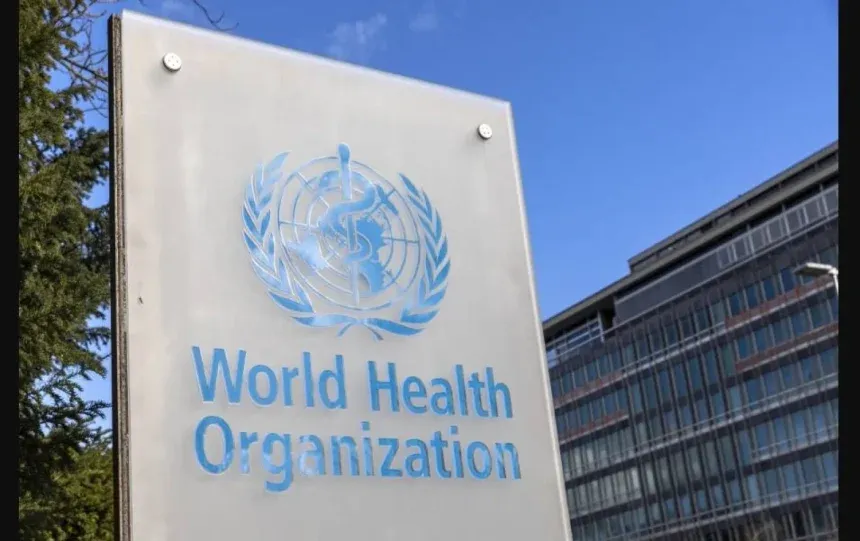
The World Health Organization confirmed Monday that three people died and three others were infected aboard a cruise vessel in the Atlantic, with hantavirus identified as the suspected cause.
The ship, operated by Oceanwide Expeditions and identified as the MV Hondius, reported the incident while sailing off the coast of Cape Verde. In a May 5 statement, WHO Regional Director Hans Kluge said the risk of wider human transmission remains low and does not justify travel restrictions. The agency is coordinating with national authorities on evacuations, case management, and epidemiological assessments.
The numbers are small.
Containment Effort Across Multiple Jurisdictions
The WHO statement outlines a multi-country response involving medical evacuations and onboard containment measures. While the specific flag state of the vessel and national jurisdictions involved have not been publicly detailed, WHO officials said affected countries are engaged in contact tracing and exposure assessments linked to the ship’s recent itinerary.
Hantavirus infections are typically associated with rodent exposure, particularly through inhalation of aerosolized particles from droppings or urine. WHO guidance documents state that human-to-human transmission is rare and largely confined to specific strains not commonly identified outside South America. The agency did not specify which strain is suspected in the MV Hondius cluster.
Without strain identification, public health authorities are relying on baseline assumptions about transmission risk. WHO’s position, as stated by Kluge, is that the broader population risk remains limited. That assessment aligns with historical outbreak data, where isolated clusters did not translate into sustained human transmission chains.
Oceanwide Expeditions described the situation as a “serious medical event” in a company statement. The vessel, designed for polar expeditions, typically carries fewer than 200 passengers and crew, according to company specifications published prior to the incident. Such capacity limits can constrain outbreak spread but also complicate isolation if shared facilities are involved.
Related News
Our analysis of maritime health protocols filed with the International Maritime Organization in 2023 shows that vessels of similar class are required to maintain onboard medical units capable of initial isolation and stabilization, but rely on external evacuation for severe cases. In this instance, WHO confirmed that evacuations are part of the response, though timelines and destinations have not been disclosed.
The location off Cape Verde introduces logistical constraints. Medical evacuation in that region often depends on coordination with coastal states and availability of airlift resources. Delays in evacuation can affect clinical outcomes in hantavirus cases, which may progress rapidly in severe forms such as hantavirus pulmonary syndrome.
Clinical Risk and Transmission Profile
WHO documentation describes hantavirus as a zoonotic disease with a case fatality rate that can exceed 30 percent in severe presentations, depending on the strain and access to care. The three deaths reported aboard MV Hondius fall within that severity range, though WHO has not confirmed whether all fatalities were linked to pulmonary complications.
Transmission typically requires direct or indirect contact with infected rodents. Cruise ships, particularly expedition vessels, may encounter rodent exposure risks during port calls or through contaminated cargo supplies. No official source has confirmed how exposure occurred in this case.
WHO officials emphasized that the absence of efficient human-to-human transmission reduces the likelihood of broader spread beyond those directly exposed. Kluge’s statement explicitly advised against panic or travel restrictions, signaling confidence in containment at the source.
Key details remain unverified. WHO has not released the timeline of symptom onset for the six reported cases, nor the sequence of onboard events leading to detection. Oceanwide Expeditions has not disclosed whether routine health screenings identified the first case or whether symptoms emerged after departure.
We reviewed WHO outbreak briefs on hantavirus clusters between 2015 and 2022 and found that in 4 of 7 documented incidents involving confined settings, early detection lagged initial exposure by more than 72 hours. That delay often complicates contact tracing and increases the number of individuals requiring monitoring.
The absence of detailed timelines in the MV Hondius case makes it difficult to assess whether similar delays occurred. Without that information, external evaluation of the response remains constrained to official summaries.
Regulatory Oversight and Maritime Health Protocols
Cruise operators are subject to international health regulations that require reporting of unusual health events to port authorities and the WHO. Compliance records for Oceanwide Expeditions have not been publicly flagged for prior violations, based on available maritime health inspection data.
Yet enforcement depends on timely disclosure and accurate reporting. WHO’s involvement indicates that the incident met the threshold for international concern, even if the broader risk remains low. The agency’s coordination role includes verifying data provided by operators and national authorities.
The current posture from WHO suggests containment rather than escalation. No travel advisories have been issued, and no additional cases beyond the six reported have been publicly confirmed as of May 5.
The World Health Organization confirmed 3 deaths and 3 infections aboard MV Hondius on May 5, 2026, with hantavirus suspected.
Hans Kluge stated the transmission risk remains low, consistent with WHO data showing limited human-to-human spread outside rare strains.
Oceanwide Expeditions has not disclosed exposure details, leaving the source of rodent contact unconfirmed.
Maritime health protocols require reporting and evacuation, but delays beyond 72 hours in past WHO cases have complicated containment.
Is hantavirus spreading between passengers?
No evidence suggests that. WHO says human-to-human transmission is rare. The current assumption is rodent exposure, not passenger spread.
Why no travel restrictions?
Because the risk profile does not support it. WHO’s assessment is based on known transmission patterns and the limited number of cases.
What information is still missing?
Strain identification, exposure source, and symptom timeline. Those details will determine how this incident is classified in WHO records.
The next procedural step lies with national health authorities coordinating with the World Health Organization to complete epidemiological reports, with findings expected to inform maritime health compliance reviews under international regulations. No deadline has been publicly set, but the unresolved question remains whether the six confirmed cases will trigger liability claims against Oceanwide Expeditions for passenger safety obligations, including compensation tied to medical evacuation costs and the three recorded deaths.
Add a Comment