


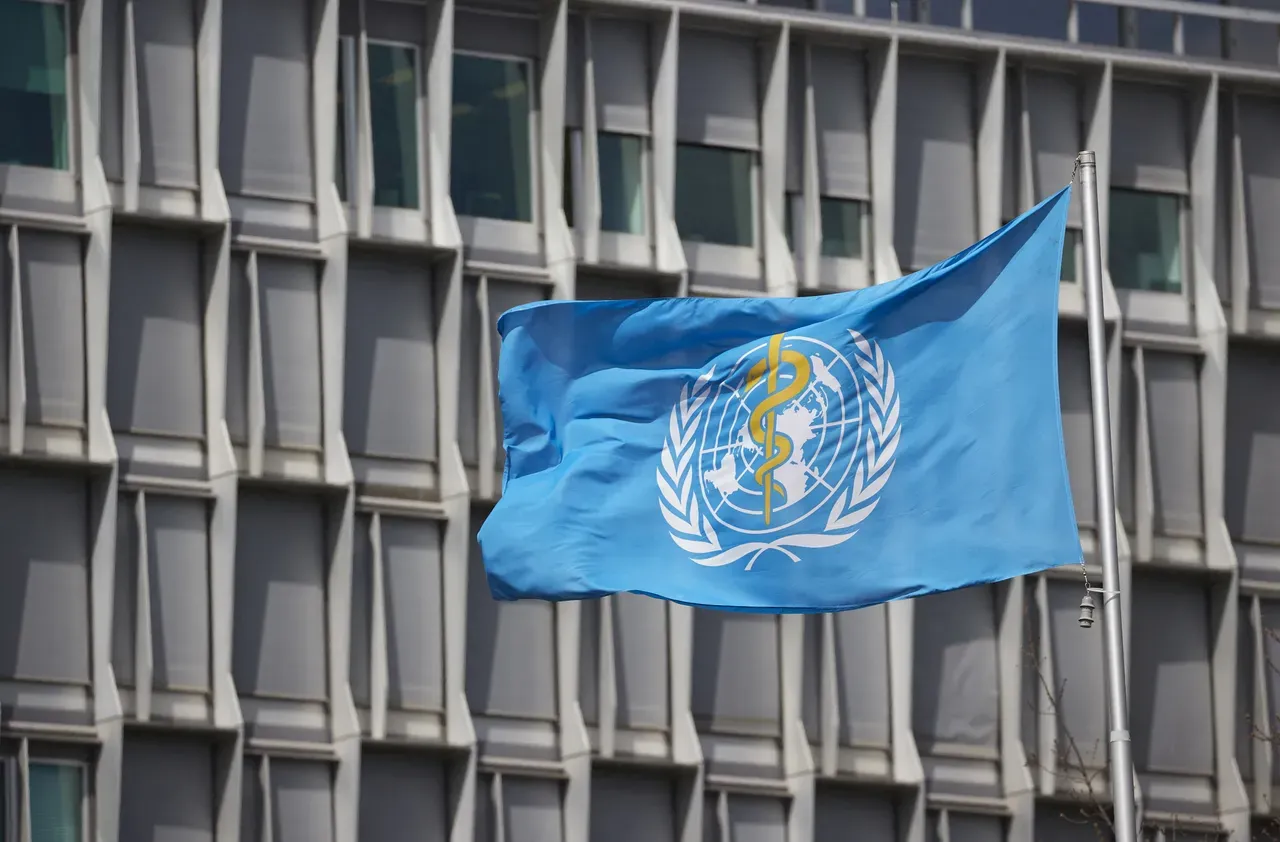
Three cruise passengers are dead after a hantavirus outbreak aboard the MV Hondius triggered an international tracing operation spanning at least six countries. The World Health Organization confirmed Thursday that five cases and three suspected infections linked to the voyage had been identified, while health agencies across Europe, South Africa, and Argentina worked to locate passengers exposed during the ship’s Atlantic crossing.
The outbreak centers on the Andes hantavirus strain, one of the few hantaviruses capable of human-to-human transmission. Health officials stressed that the virus is significantly less contagious than COVID-19, but they also acknowledged that the incubation period can last up to six weeks, creating a prolonged monitoring challenge for public health authorities.
According to Argentine authorities, the cruise ship departed Ushuaia on April 1 after passengers traveled through parts of South America before boarding. A Dutch couple who had toured the region before embarkation became the first confirmed fatalities connected to the outbreak. WHO Director-General Tedros Adhanom Ghebreyesus later confirmed three deaths overall tied to the cluster.
“With the information provided so far by the countries involved and participating national agencies, it is not possible to confirm the origin of the infection,” Argentina’s Health Ministry said after an emergency coordination meeting involving officials from all 24 Argentine provinces.
That uncertainty matters.
WHO Faces Familiar Containment Questions, But With Different Transmission Risks
The Hondius outbreak has revived institutional concerns inside the WHO about delayed detection aboard international vessels. Cruise ships became synonymous with rapid disease transmission during the early months of COVID-19 in 2020, particularly after outbreaks aboard ships such as the Diamond Princess.
Hantavirus infections are usually linked to contact with infected rodent droppings, urine, or saliva. The Andes strain, first identified in South America in the 1990s, remains unusual because limited person-to-person transmission has been documented in previous outbreaks in Argentina and Chile, according to WHO and Pan American Health Organization records.
Related News
WHO emergency alert and response director Abdi Rahman Mahamud said current evidence still points toward a containable cluster if isolation and contact tracing protocols are followed consistently across affected countries.
“We believe this will remain a limited outbreak if public health measures are implemented and solidarity shown across all countries,” Mahamud said in Geneva.
Public health officials are trying to reduce panic while simultaneously acknowledging that infected passengers moved across multiple borders before symptoms fully emerged. People believed to have contracted the virus are currently isolating or receiving treatment in Britain, Germany, the Netherlands, Switzerland, and South Africa.
Dutch and Argentine Authorities Are Now Tracking the Outbreak’s Starting Point
The outbreak investigation has narrowed around Argentina’s southern port city of Ushuaia, where the ship began its voyage. Argentine officials announced plans to test rodent populations in and around the coastal city to determine whether passengers may have been exposed before boarding.
Health officials believe at least one passenger likely contracted the virus on land in Argentina and later infected others during the Atlantic crossing. Yet authorities have not publicly identified the first confirmed carrier, nor released a detailed onboard transmission timeline.
We reviewed WHO outbreak bulletins and historical Andes virus case summaries, and documented human-to-human transmission chains remain relatively rare compared with airborne respiratory diseases such as influenza or COVID-19. Previous clusters in Argentina were typically confined to close-contact settings involving families or healthcare exposure.
A cruise ship complicates that pattern.
Passengers share dining areas, ventilation systems, recreational facilities, and extended indoor contact over multiple days. Even if transmission efficiency remains low, tracing interactions aboard an international vessel becomes operationally difficult once passengers disperse across continents.
Three infected passengers were medically evacuated Wednesday when the Hondius anchored near Cape Verde, according to the ship’s operator, Oceanwide Expeditions�. Another patient later tested positive at Leiden University Medical Centre in the Netherlands after arriving in Amsterdam on Thursday.
Governments Are Trying to Avoid a Repeat of 2020 Optics
The political handling of the Hondius outbreak has become nearly as important as the epidemiology itself. Governments remain acutely aware of how cruise ship outbreaks shaped public perceptions during the COVID-19 pandemic, when delayed quarantines and conflicting public messaging damaged confidence in health agencies.
Officials are responding faster this time.
US President Donald Trump said Thursday that he had received a briefing on the situation and expected a formal report within 24 hours. “It’s very much, we hope, under control,” Trump told reporters.
The White House language mirrored WHO messaging.
Both emphasized containment rather than escalation. Yet the fact that the outbreak required multinational coordination involving Europe, Africa, and South America explains why health authorities moved quickly to public disclosure despite the relatively small case count.
Numbers alone do not determine risk.
The reality is, rare diseases capable of human transmission create disproportionate concern when authorities cannot immediately identify the index case or confirm the full exposure chain. That uncertainty is now driving intensified monitoring of Hondius passengers and crew during the six-week incubation window identified by WHO officials.
The Cruise Industry Faces Another Public Health Stress Test
The Hondius itself has become a floating logistical problem. The vessel is currently headed toward Spain’s Canary Islands while authorities coordinate passenger management and health screening protocols.
Cruise operators remember the economic fallout.
The global cruise industry lost billions during the COVID-19 pandemic after prolonged shutdowns, lawsuits, and emergency port restrictions. Companies operating expedition vessels such as the Hondius rely heavily on international tourism routes that involve multiple jurisdictions and medically isolated itineraries.
That business model carries obvious exposure during infectious disease incidents.
Our analysis of international maritime health advisories issued after 2020 identified repeated recommendations urging cruise operators to strengthen onboard isolation capacity, rapid diagnostic testing, and medical evacuation procedures. Yet outbreaks involving rare pathogens remain difficult to model because many ships are designed primarily for tourism, not sustained infectious disease containment.
The legal questions may arrive next.
Tedros Adhanom Ghebreyesus confirmed five cases and three suspected infections tied to the MV Hondius outbreak.
Argentine authorities still have not identified where the Andes hantavirus transmission chain began before the ship departed Ushuaia on April 1.
The Andes strain is unusual because it can spread between humans, though WHO says transmission remains far lower than COVID-19.
Oceanwide Expeditions� is now coordinating with multiple governments as passengers disperse across Europe, Africa, and South America.
Is this another COVID-style global outbreak?
No evidence suggests that right now. WHO officials specifically said hantavirus spreads far less efficiently than COVID-19. The concern comes from the rare human-to-human Andes strain and the international movement of passengers before detection.
Why are authorities testing rodents in Ushuaia?
Because hantavirus usually originates from infected rodents. Investigators are trying to determine whether a passenger was exposed in Argentina before boarding the ship.
Can hantavirus be treated?
There is no specific cure or approved vaccine. Doctors mainly provide supportive treatment, particularly for respiratory complications and cardiovascular distress caused by severe infections.
The unresolved issue now centers on liability and disclosure obligations surrounding the Hondius voyage. Health agencies still have not publicly identified the suspected index case, and no timetable has been announced for releasing the ship’s full passenger exposure records. Any future litigation would likely involve maritime jurisdiction questions in European courts, particularly if passengers argue the operator failed to identify or isolate symptoms early enough during the Atlantic crossing.
Add a Comment