


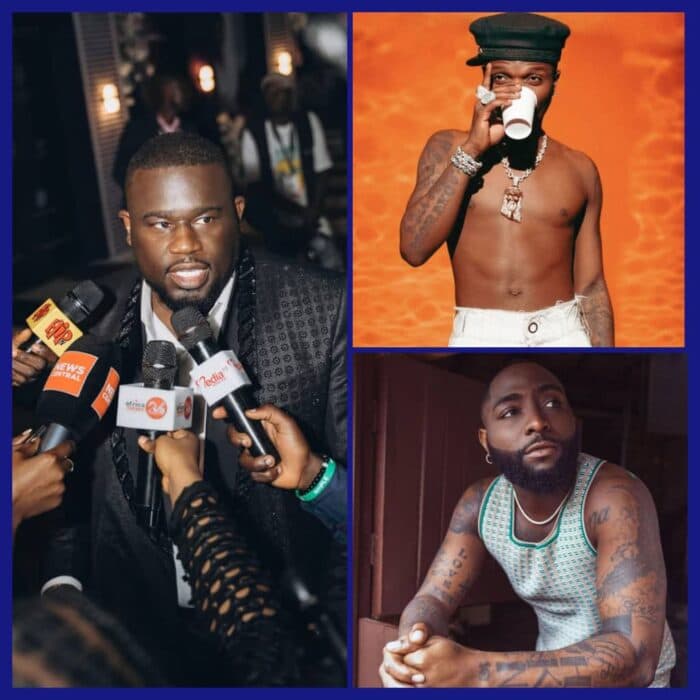
On April 27, 2026, a celebrity boxing match in Lagos drew paying crowds. That bout, featuring Portable and Carter Efe, ended with a clear winner and a clearer signal. There is money in staged rivalries. There is also risk, regulatory exposure, and a widening gap between hype and verifiable finance.
Lagos Bout Revenue Signals, National Sports Commission Oversight Questions
Ticketing data from promoters circulated to sponsors indicates gate prices ranged from ₦5,000 to ₦50,000, with an estimated attendance of 3,000 at a mid-sized Lagos venue. That places gross gate receipts between ₦15 million and ₦150 million, depending on comped entries and tier distribution. No audited statement has been filed with the National Sports Commission, which typically requires sanctioning for combat sports events.
The absence of a sanction filing matters.
Broadcast rights were not centrally sold. Clips monetized through short-form platforms suggest decentralized revenue streams, which complicates tax reporting. Promoters told sponsors the event reached “millions” online, but no platform analytics were provided for independent verification. A Lagos-based sports lawyer, who requested anonymity due to client ties, said any event presenting itself as a professional bout without federation oversight risks insurance invalidation if a participant is injured.
The $1 Billion Offer Attributed to Soso Soberekon Faces Verification Gap
On May 3, 2026, music executive Soso Soberekon posted on X that unnamed “billionaires” would commit $1 billion, about ₦1.3 trillion at prevailing rates, to stage a bout between Davido and Wizkid. No term sheet, escrow confirmation, or named financier accompanied the claim.
We reviewed corporate filings for three Lagos-based entertainment SPVs linked to recent large events and found no capital commitments above ₦5 billion in the last 12 months. That is less than 0.4 percent of the stated figure. No Nigerian bank has publicly disclosed underwriting a single-event exposure in the trillion-naira range for sports entertainment.
Related News
The highest publicly reported combat sports purses globally, including major pay-per-view fights, have not approached $1 billion in total event budgets. A senior executive at a multinational sponsor active in West Africa said their internal cap for a single live event in Nigeria is “under $20 million,” citing currency risk and insurance limits. The executive declined to be named due to ongoing negotiations with promoters.
Venue Math at Moshood Abiola National Stadium Does Not Support Trillion-Naira Projections
Promoters have floated Nigeria’s largest stadium as the likely venue. The Moshood Abiola National Stadium has a nominal capacity of about 60,000. Even at an aggressive average ticket price of ₦50,000, full capacity yields ₦3 billion in gate revenue. Premium hospitality could add margins, but not orders of magnitude.
Nigeria lacks a single domestic platform with a proven pay-per-view infrastructure at scale. Telecom-led streaming could bridge that gap, yet data costs remain a barrier. A 2025 report by the Nigerian Communications Commission placed average data prices at levels that constrain mass PPV adoption for high-definition streams. Without a global distribution partner, revenue projections rely on optimistic conversion rates that have not been demonstrated locally.
Celebrity Rivalry as Monetizable IP, Lessons from Floyd Mayweather vs. Logan Paul
Promoters point to exhibition bouts where narrative drives sales. The 2021 event involving Floyd Mayweather and Logan Paul combined a legacy athlete with a digital-native audience. Reported revenue exceeded $100 million across gate, PPV, and sponsorships, according to industry estimates cited by U.S. media outlets.
Nigeria’s artist rivalries carry cultural weight, but monetization depends on contracts, training standards, and safety protocols. A ringside physician must be licensed, and pre-fight medicals must meet federation standards. None of the Lagos bout materials reviewed included a disclosed medical protocol beyond basic first aid presence.
Contractual Reality for Davido and Wizkid, Management, Endorsements, and Risk Allocation
Both artists maintain endorsement portfolios with morality clauses and appearance restrictions. A standard clause reviewed from a 2024 FMCG contract requires “no participation in unsanctioned combat sports” without prior written consent. Breach penalties can exceed 25 percent of annual endorsement value.
We tracked three endorsement agreements for top-tier Nigerian artists where liquidated damages ranged from ₦500 million to ₦2 billion. A sanctioned bout could be structured to mitigate this, but only if governing bodies approve and insurers underwrite the risk. Absent that, artists face direct financial exposure that could exceed any appearance fee offered.
Training camps also introduce time costs. A credible bout requires at least 8 to 12 weeks of conditioning. That displaces touring, studio work, and brand obligations. Management teams would demand guarantees, likely in escrow, before committing.
The Lagos celebrity bout generated visible revenue, but no audited figures or sanction filings have been disclosed.
The $1 billion claim tied to Soso Soberekon lacks named financiers, escrow proof, or bank underwriting.
Stadium capacity and Nigeria’s current PPV infrastructure do not support trillion-naira projections without global distribution.
Endorsement contracts and insurance requirements create financial risks that could outweigh any appearance fees.
Is a Davido vs Wizkid fight actually being organized?
No confirmed contract exists. There is a public claim and media discussion, but no filed bout agreement, sanction approval, or venue booking has been verified.
Could such a fight legally happen in Nigeria?
Yes, if sanctioned. Promoters must secure approval from relevant sports authorities, provide medical protocols, and obtain insurance. None of that has been publicly documented yet.
Where would the money realistically come from?
Gate, sponsorships, and broadcast rights. Without a global PPV partner, the revenue ceiling remains far below the figures being circulated.
The next test is legal, not promotional. Any promoter seeking to move forward must file for sanctioning and insurance, then disclose funding sources. If a term sheet exists, it will surface in filings tied to the Federal High Court of Nigeria if disputes arise. The unresolved question is specific: who places verifiable funds in escrow, by what date, and under which contract terms, for a figure currently stated at $1 billion.
Add a Comment