


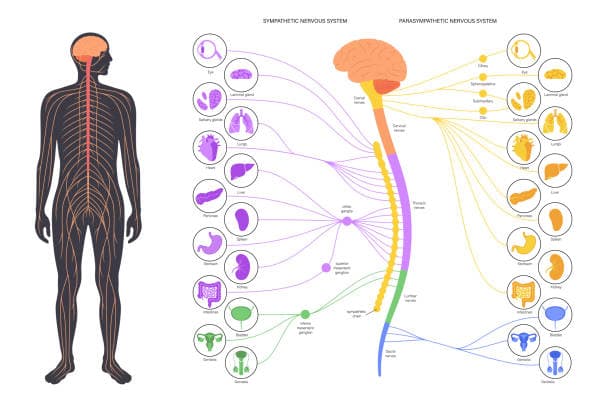
Mental health is no longer treated as a separate chapter in medicine. Around the world, doctors, policymakers, and employers are increasingly acknowledging that psychological well being and physical health are deeply connected. Depression, anxiety, and chronic stress are now recognized not only as conditions that affect mood and behavior, but also as factors that shape cardiovascular disease, immune response, metabolic disorders, and even recovery from injury. This shift matters because it changes how health systems prioritize prevention, treatment, and long term care.
The growing conversation reflects years of accumulated evidence and a sense of urgency driven by recent global events. According to reports from the World Health Organization, rates of anxiety and depression rose sharply after 2020, coinciding with disruptions caused by the COVID 19 pandemic. Meanwhile, hospitals in Europe, North America, and parts of Asia have reported parallel increases in stress related physical conditions, including hypertension and inflammatory disorders. The overlap is no longer easy to ignore.
A long recognized link, now harder to dismiss
The idea that mental states affect the body is not new. Ancient medical traditions, from Greek medicine to Ayurveda, described the body and mind as interdependent. Modern science began revisiting this connection in the mid 20th century with research into psychosomatic illness. Early studies showed that chronic stress could elevate cortisol levels and weaken immune defenses.
What has changed is the scale and precision of today’s evidence. Large population studies now track mental health diagnoses alongside physical outcomes over decades. A 2019 study published in The Lancet Psychiatry found that people with severe mental illness had a life expectancy reduced by up to 15 years, largely due to preventable physical conditions such as heart disease and diabetes. Researchers emphasized that mental illness often delays diagnosis and treatment of physical problems.
Dr. Vikram Patel, a psychiatrist and global mental health researcher at Harvard Medical School, has argued that separating mental and physical health care has created blind spots. In a 2022 lecture hosted by the London School of Hygiene and Tropical Medicine, Patel said the body often becomes the “silent messenger” of untreated psychological distress.
How mental health shapes the body
Stress is one of the clearest pathways linking mental and physical health. When stress becomes chronic, the body remains in a prolonged state of alert. This can raise blood pressure, disrupt sleep, and increase inflammation. Over time, these changes contribute to heart disease, digestive disorders, and weakened immune response.
Depression and anxiety also influence behavior. People experiencing depression are more likely to smoke, exercise less, and struggle with medication adherence. According to the US Centers for Disease Control and Prevention, adults with frequent mental distress are significantly more likely to report multiple chronic health conditions.
There is also evidence that mental health affects pain perception. Patients with anxiety disorders often report higher levels of physical pain, even when medical imaging shows similar findings to those without anxiety. This can complicate diagnosis and lead to repeated testing without addressing the underlying cause.
Related News
Why the issue matters now
The current focus on mental health and physical outcomes is partly driven by demographic change. Populations are aging, and chronic diseases are becoming more common. Health systems designed around acute care are under pressure. Integrating mental health support into primary care is increasingly seen as a cost effective way to reduce hospital admissions and improve outcomes.
Meanwhile, the pandemic highlighted how psychological strain can ripple through societies. Lockdowns, job losses, and prolonged uncertainty increased rates of insomnia, substance use, and stress related illness. According to reports from the Organisation for Economic Co operation and Development, countries that invested in community mental health services during this period saw more stable use of emergency care.
Employers are also paying attention. Large companies in Japan and Germany have expanded mental health benefits after internal data showed correlations between stress leave and workplace injuries. This recognition marks a shift from viewing mental health as a personal issue to treating it as a public health and economic concern.
A less discussed perspective: the timing of care
One underreported insight emerging from recent research involves the timing of mental health intervention. Studies from health systems in Scandinavia suggest that early mental health support after a physical diagnosis can significantly alter disease progression. Patients who received counseling within weeks of being diagnosed with conditions like rheumatoid arthritis showed lower inflammation markers years later compared to those who received support much later or not at all.
This finding challenges the assumption that mental health care is most effective only after symptoms become severe. Instead, it suggests that psychological support may act as a form of secondary prevention for physical illness. Health economists are beginning to explore whether earlier mental health screening could reduce long term treatment costs for chronic disease.
Implications for health systems and policy
As evidence grows, health systems face practical questions. How should care be organized when mental and physical conditions overlap? In some countries, integrated clinics are emerging, where psychologists work alongside primary care physicians. The United Kingdom’s National Health Service has expanded its Improving Access to Psychological Therapies program, embedding mental health professionals in general practice settings.
However, access remains uneven. Low and middle income countries face shortages of trained mental health professionals, even as rates of stress related illness rise. The World Bank has warned that failing to address mental health could slow economic recovery in vulnerable regions.
Another issue to watch is data integration. Electronic health records often separate mental and physical diagnoses, making it harder for clinicians to see the full picture. Researchers argue that better data sharing could reveal patterns that improve early intervention.
The global conversation is likely to move beyond awareness toward accountability. Governments are under pressure to measure mental health outcomes alongside physical ones. Insurers are beginning to consider reimbursement models that reward integrated care rather than isolated treatments.
Public attitudes are also evolving. As stigma around mental illness slowly declines, patients may feel more comfortable discussing stress, anxiety, or depression during routine medical visits. That openness could help clinicians detect physical risks earlier.
The challenge will be sustaining momentum. Mental health funding often rises after crises, then fades. Whether current commitments translate into lasting structural change remains an open question.
The connection between mental health and physical health is no longer a fringe idea. It is becoming a central principle in modern medicine and public health. As research deepens and systems adapt, the focus is shifting from treating symptoms in isolation to understanding the whole person. The next phase of this conversation will determine whether that understanding leads to lasting improvements in how care is delivered worldwide.
Add a Comment