


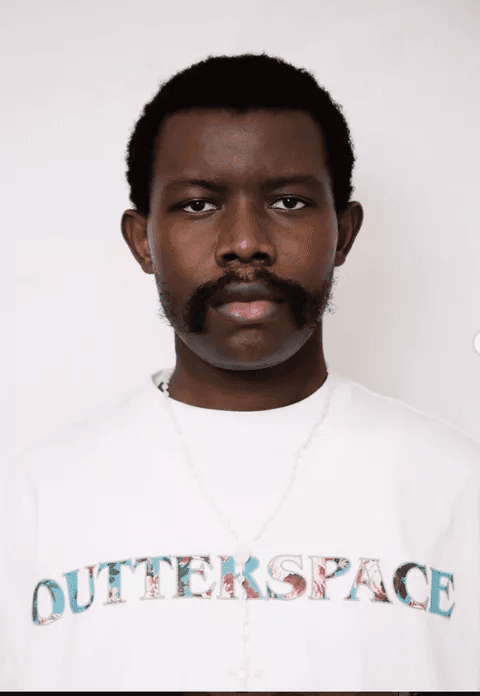
Nigerian music video director ThankGod Smith Omori, popularly known as TG Omori, has spoken candidly about his ongoing battle with kidney disease, describing it as one of the most painful and financially exhausting experiences anyone can face. His comments come months after a kidney transplant he underwent in August 2024 failed, forcing him into repeated hospital admissions and long-term medical care.
The award-winning director, widely recognised for shaping the visual identity of modern Afrobeats, said the illness has fundamentally changed his outlook on life, money and survival. According to Omori, kidney disease is not only physically devastating but also emotionally and financially draining, especially in a country where access to specialised care is limited.
“Dealing with kidney issues is one of the worst things that can happen to anyone,” he said while reflecting on his condition. “I do not even wish it on my enemy. It is financially draining.”
A failed transplant and ongoing hospital care
Omori revealed that he underwent a kidney transplant in August 2024 in an effort to regain stability after being diagnosed with kidney failure. However, the procedure was unsuccessful, leaving him dependent on continued medical intervention and frequent hospital visits.
Since the failed transplant, he has been in and out of medical facilities as doctors work to manage complications associated with the disease. While he did not disclose specific details about his current treatment regimen, his remarks point to the heavy burden of long-term kidney care, which often includes dialysis, medications and constant monitoring.
According to reports from medical practitioners in Nigeria, patients with advanced kidney disease typically require dialysis multiple times a week if a transplant is not immediately viable. Each session can cost tens of thousands of naira, making sustained treatment out of reach for many families.
“Money loses its value when survival is at stake”
In one of his most striking remarks, Omori spoke about the financial realities of managing kidney disease, saying that the illness quickly strips money of its meaning.
“Money will have no value to you,” he said. “Any money you have, you will just want to keep spending it every other day so you can stay alive. I am talking of millions here.”
His comments echo the experiences of many Nigerians living with chronic kidney disease, a condition that health experts say is rising due to factors such as hypertension, diabetes and late diagnosis. According to public health data, Nigeria has one of the highest burdens of kidney-related illnesses in sub-Saharan Africa, yet access to affordable renal care remains limited.
Medical experts note that unlike some countries where dialysis and transplants are heavily subsidised or covered by insurance, most Nigerian patients pay out of pocket. This reality often forces families to sell assets or rely on public fundraising to keep loved ones alive.
The unbearable pain behind the illness
Beyond the financial strain, Omori emphasised the intense physical suffering associated with kidney disease. He described the pain as overwhelming, adding that some patients do not survive simply because they cannot manage it.
“People die because the pain is so unbearable,” he said. “If you do not have money to subsidise the pain, you are gone.”
Nephrologists explain that kidney failure can cause severe complications, including fluid overload, nerve pain, bone weakness and extreme fatigue. Without consistent treatment and pain management, these symptoms can become life-threatening.
Omori credited his survival so far to faith and resilience, saying he remains grateful despite the ordeal. “I thank God for giving me the grace to be alive,” he added.
Why his story matters now
Omori’s public reflection comes at a time when conversations about healthcare access and chronic illness are gaining renewed attention in Nigeria. His status as a prominent figure in the entertainment industry has helped shine a light on a condition that many sufferers endure quietly.
Health advocates say stories like Omori’s help humanise the statistics and expose the real cost of inadequate healthcare infrastructure. While kidney disease affects people across social classes, even high-profile patients struggle to manage the long-term expenses involved.
According to health analysts, the failure of a transplant can also take a significant emotional toll, as patients often view it as their best chance at a normal life. When it does not succeed, the psychological impact can be as severe as the physical challenges.
Reactions from fans and industry observers
Although Omori has kept much of his medical journey private, his recent remarks have sparked widespread reactions online. Fans and colleagues in the music industry have expressed sympathy and admiration for his openness, with many describing his story as a sobering reminder of how fragile health can be.
Industry observers say his experience could encourage more public discussion around medical insurance, organ donation and the need for improved renal care facilities in Nigeria. Some also argue that celebrities speaking openly about illness helps reduce stigma and misinformation surrounding chronic diseases.
Medical experts stress that managing kidney disease is a long-term process that requires consistent care, lifestyle adjustments and, in some cases, another transplant attempt. While Omori has not indicated whether he plans to pursue another transplant, his situation highlights the uncertainty many patients face after a failed procedure.
Going forward, advocates say there is a need for stronger policy intervention, including expanded health insurance coverage and investment in dialysis centres across the country. Without systemic changes, they warn that kidney disease will continue to push families into financial crisis.
For now, Omori’s story stands as a powerful account of survival under extreme pressure, offering a rare, unfiltered look at the realities of living with kidney disease in Nigeria.
Add a Comment