


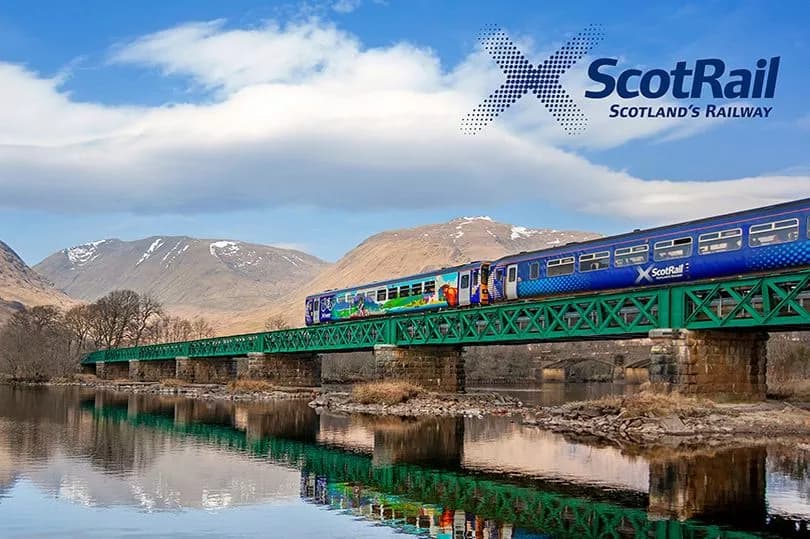
ScotRail has introduced a nationwide £20 return flat fare, a move designed to make train travel more accessible and encourage more people to explore Scotland by rail during the early months of 2026.
The discounted return tickets will allow passengers to travel anywhere on the ScotRail network for a fixed price of £20 between January 9 and March 31, 2026, according to details released as part of a joint promotion with media partners. The offer applies across Scotland and is aimed at leisure travellers planning day trips or short breaks.
The initiative comes at a time when transport providers across the UK are under pressure to attract passengers back to rail services while also responding to ongoing concerns about the cost of living and rising travel expenses.
Making rail travel more affordable
Under the scheme, travellers can use the £20 flat fare to take return journeys between destinations across Scotland, regardless of distance. This means routes that would normally cost significantly more, such as longer intercity or rural journeys, can be taken at a reduced price.
ScotRail said the offer is intended to remove cost as a barrier for people who might otherwise avoid travelling by train. By simplifying fares into a single flat price, the operator hopes to encourage spontaneous travel and make trip planning easier.
Rail industry analysts note that flat fare schemes have previously been effective in stimulating demand, particularly during off-peak periods. With the offer running through the winter and early spring months, ScotRail appears to be targeting a traditionally quieter travel window.
Supporting tourism and regional travel
Tourism stakeholders have welcomed the initiative, saying it could provide a timely boost to local economies across Scotland. January to March is typically a slower period for domestic tourism, especially in rural areas that rely on seasonal visitors.
By lowering the cost of travel, the scheme could encourage more visitors to take scenic rail journeys to destinations that are less accessible by car or more expensive to reach by train under standard pricing.
According to VisitScotland data from previous years, affordable transport options play a significant role in determining travel choices, particularly for younger travellers, families, and budget-conscious tourists. The £20 return fare may also appeal to residents seeking affordable weekend getaways or cultural day trips.
Why the timing matters
The launch of the flat fare coincides with broader efforts to rebuild rail ridership following years of disruption caused by the pandemic, industrial action, and rising operating costs. While passenger numbers have recovered in many parts of the UK, they remain uneven across regions.
Transport policy experts say targeted pricing initiatives like this can help rail operators test new demand patterns and gather data on passenger behaviour.
A transport economist based in Edinburgh explained that fixed-price offers reduce uncertainty for passengers. When travellers know exactly how much a journey will cost, they are more likely to consider rail over driving, especially for leisure trips.
The timing also aligns with government and industry goals to promote more sustainable travel. Rail travel produces significantly lower carbon emissions per passenger compared to private car use, making affordability a key lever in encouraging greener transport choices.
Background on ScotRail fare initiatives
This is not the first time ScotRail has experimented with simplified or discounted fares. In recent years, the operator has introduced various off-peak promotions, youth discounts, and seasonal offers aimed at increasing accessibility.
However, the £20 nationwide return fare represents one of the more ambitious pricing initiatives in terms of geographic scope. Unlike route-specific discounts, the flat fare applies across the entire ScotRail network, offering passengers flexibility in choosing destinations.
According to rail industry observers, such schemes also help demystify rail pricing, which is often criticised for being complex and inconsistent.
What travellers should watch for
While the headline price is straightforward, passengers are advised to check any specific terms and conditions associated with the offer, including ticket availability, booking windows, and potential peak-time restrictions.
Travel experts also suggest that demand for popular routes could increase during weekends, particularly for scenic journeys and major cities such as Edinburgh and Glasgow. Early booking may help travellers secure seats during busier periods.
If the promotion proves successful, analysts say it could influence future fare strategies, not only for ScotRail but for other regional rail operators looking to balance affordability with financial sustainability.
Wider implications for UK rail travel
The flat fare initiative may also contribute to ongoing debates about rail fare reform in the UK. Campaigners have long argued that simpler pricing structures would make train travel more attractive and competitive.
According to transport advocacy groups, complex fare systems often discourage occasional users, while flat fares can help rebuild trust in rail travel as a reliable and affordable option.
Whether ScotRail extends or repeats the scheme beyond March 2026 could depend on passenger uptake and revenue performance during the promotional period.
ScotRail’s £20 return flat fare offers a rare opportunity for travellers to explore Scotland by train at a reduced and predictable cost between January 9 and March 31, 2026. Beyond the immediate savings for passengers, the initiative reflects wider efforts to revitalise rail travel, support tourism, and promote sustainable transport.
As the promotion unfolds, industry observers will be watching closely to see whether simplified pricing can deliver long-term benefits for passengers and the rail network alike.
Add a Comment