


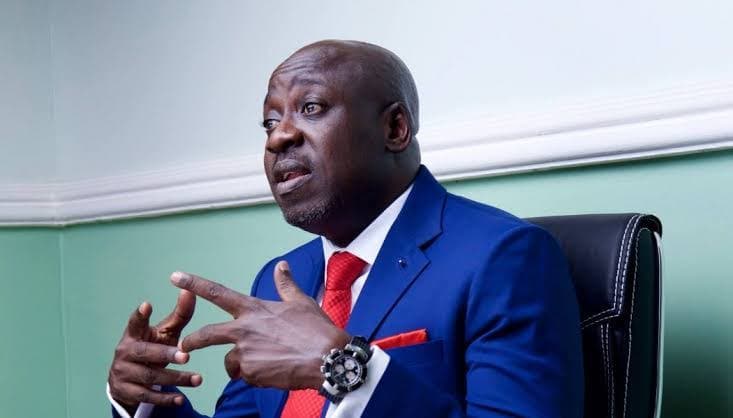
That figure surfaced during a policy dialogue held in Abuja on March 12, 2026, according to a statement issued March 14, 2026 by the National Publicity Secretary of the African Democratic Congress, Bolaji Abdullahi. The opposition party argues the figure reflects the economic effects of President Bola Ahmed Tinubu’s fuel subsidy removal announced May 29, 2023 during his inaugural address at Eagle Square in Abuja.
The number matters.
Nigeria’s petrol subsidy was removed by President Bola Ahmed Tinubu during his inauguration speech on May 29, 2023, a policy later codified through the Federal Government’s fiscal framework in the 2023 Appropriation Act amendment submitted to the National Assembly on July 19, 2023. The administration stated the reform would redirect public funds toward infrastructure, healthcare, and education. Yet three years later, critics argue the financial redirection remains difficult to trace through budget allocations.
That question persists.
The African Democratic Congress says poverty rose from about 50 percent to 63 percent after the May 2023 fuel subsidy removal announced by President Bola Ahmed Tinubu.
The party’s March 14, 2026 statement questions whether savings from subsidy removal were redirected to health and education as promised.
Public opinion data cited by the party indicates 93 percent of Nigerians believe the country is moving in the wrong direction.
The dispute centers on whether the subsidy removal produced measurable benefits in public spending or simply increased living costs.
Related News
Subsidy Removal and the 2023 Fiscal Framework
President Bola Ahmed Tinubu announced the end of the petrol subsidy during his inauguration speech on May 29, 2023, recorded in the official transcript released by the State House in Abuja the same day. The policy effectively removed government payments that had kept pump prices artificially low for decades.
Fuel prices increased rapidly.
Data published by the Nigerian National Petroleum Company Limited on June 1, 2023 shows the average petrol pump price moving from about ₦185 per litre before the announcement to over ₦500 per litre in major cities within days. Transport fares followed quickly. The Lagos Metropolitan Area Transport Authority documented bus fare increases across several intra-city routes between June and August 2023.
That cascade matters.
The African Democratic Congress statement issued March 14, 2026 argues those cost increases fed directly into inflation for food, transportation, and household goods. The party’s National Publicity Secretary, Bolaji Abdullahi, stated that the 63 percent poverty estimate presented at a policy dialogue in Abuja on March 12, 2026 reflects those broader economic pressures.
The claim is blunt.
Budget Promises Versus Spending Records
Government officials defended subsidy removal by arguing it would free fiscal space for social investment. Finance Minister Wale Edun made that argument during a press briefing in Abuja on August 9, 2023 following the Federal Executive Council meeting that week.
The money was supposed to move.
The 2024 Appropriation Act signed by President Bola Ahmed Tinubu on January 1, 2024 allocated ₦1.33 trillion to the health sector and ₦2.18 trillion to education. Those figures appear in the final budget document transmitted to the National Assembly and published by the Budget Office of the Federation.
Numbers alone do not settle the debate.
Our analysis of the 2022, 2023, and 2024 federal budgets shows health spending increased from ₦876 billion in the 2022 Appropriation Act signed by President Muhammadu Buhari on December 31, 2021 to ₦1.33 trillion in the 2024 Appropriation Act. Education allocations increased from ₦1.29 trillion in 2022 to ₦2.18 trillion in 2024.
The rise looks large on paper.
Inflation complicates the picture. Nigeria’s annual inflation rate reached 34.2 percent in June 2024, according to the Consumer Price Index report released July 15, 2024 by the National Bureau of Statistics in Abuja. Higher prices reduce the purchasing power of government spending even when nominal allocations increase.
Real spending may be smaller.
Public Sentiment and Survey Data
The African Democratic Congress also cited survey findings describing public dissatisfaction with the economic direction of the country. The party referenced figures showing that 93 percent of Nigerians believe the country is heading in the wrong direction and that 88 percent describe the economy as bad.
Those numbers are striking.
Public opinion data in Nigeria often comes from organizations such as Afrobarometer, a research network that conducts periodic surveys across African countries. Afrobarometer Round 9 Nigeria findings released in 2023 showed widespread dissatisfaction with economic conditions and public services.
Hardship appears widespread.
Household data in that survey indicated many Nigerians reported going without basic necessities including food, medical care, and clean water within the previous year. Those deprivation indicators form part of the methodology researchers use when estimating poverty levels.
The numbers echo daily complaints.
Cost of Living Pressures Since 2023
Transport costs represent one of the most immediate effects of fuel price increases. In Lagos, the country’s commercial hub, the National Union of Road Transport Workers announced fare increases on several major routes in June 2023 after petrol prices rose.
Food prices followed.
The National Bureau of Statistics reported food inflation reaching 40.66 percent in May 2024 in its Consumer Price Index bulletin published June 15, 2024. Items such as rice, garri, and bread recorded significant year-on-year increases.
Those increases accumulate.
Economic researchers frequently note that fuel prices influence multiple sectors simultaneously. Transport affects food distribution. Food affects household budgets. Household budgets influence poverty statistics.
The chain reaction is predictable.
Opposition parties have seized on those economic pressures to criticize the Tinubu administration. The African Democratic Congress statement issued March 14, 2026 frames the 63 percent poverty estimate as evidence that subsidy removal harmed ordinary citizens.
The language is direct.
Bolaji Abdullahi wrote that the rise in poverty represents what he called the real consequences of removing the subsidy without sufficient safeguards for vulnerable households. The statement also questioned whether funds saved from subsidy removal actually reached priority sectors like healthcare and education.
Government officials disagree.
Presidential advisers have repeatedly argued that subsidy removal was necessary to stabilize Nigeria’s public finances. The subsidy had cost trillions of naira annually according to government fiscal documents presented to the National Assembly during the 2023 budget cycle.
The dispute continues.
Did Nigeria really reach a 63 percent poverty rate?
The 63 percent figure was cited during a March 12, 2026 policy dialogue in Abuja and referenced in the African Democratic Congress statement issued March 14, 2026. Poverty estimates vary depending on methodology and the institution producing the data.
Why did the government remove the fuel subsidy?
President Bola Ahmed Tinubu announced the policy on May 29, 2023. Government officials said the subsidy cost trillions of naira yearly and distorted public finances.
Have health and education funding increased?
Yes in nominal terms. The 2024 federal budget allocated ₦1.33 trillion to health and ₦2.18 trillion to education. Inflation above 30 percent reduces the real value of those increases.
The debate is heading toward another test. Nigeria’s National Assembly is expected to review the 2027 Medium-Term Expenditure Framework before the fiscal deadline set under Section 11 of the Fiscal Responsibility Act 2007. Lawmakers will examine whether savings from subsidy removal can be quantified in federal accounts. The question remains unresolved. The sum in dispute runs into trillions of naira.
Add a Comment