


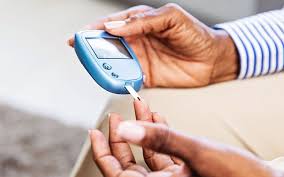
Keeping blood sugar in a healthy range can influence far more than metabolism. According to several health reports, balanced glucose levels are linked to steadier energy, improved mood, and a lower risk of long-term complications such as heart disease, kidney issues, vision loss, and type 2 diabetes. While medical care is essential for anyone with a diagnosed condition, everyday habits can also play a meaningful role. Below are science-backed approaches that experts frequently recommend for supporting blood sugar control.
Start Meals With Vegetables and Protein
The order in which you eat your food may seem minor. However, research suggests it can have a measurable effect. According to findings cited by multiple nutrition journals, beginning a meal with fiber-rich vegetables followed by protein, then fats, and saving carbohydrates for last can reduce the rise in blood sugar after eating. The idea is simple. Fiber and protein slow down digestion, which helps the body process the carbohydrates more gradually.
Add More Soluble Fiber
Soluble fiber, found in foods that absorb water and form a gel-like texture during digestion, helps slow the release of glucose into the bloodstream. Apples, avocados, lentils, Brussels sprouts, nuts, seeds, beans, and peas are all good examples. Dietitians note that most adults fall short on fiber, even though higher intake is associated with better blood sugar stability and improved cholesterol levels.
Explore Intermittent Fasting Patterns
Intermittent fasting continues to attract attention, and some studies support its benefits for people with high glucose or elevated cholesterol. Reports indicate that consuming the majority of daily calories earlier in the day, particularly at breakfast and lunch, may be especially helpful. Eating a lighter dinner before 6 p.m. aligns with the body’s natural insulin rhythm for some individuals.
Choose Whole Grains Instead of Refined Options
Whole grains like oats, ofada rice, barley, buckwheat, popcorn, and brown rice digest more slowly than refined grains. Because of this, research consistently shows that they provoke a smaller blood sugar rise after meals and may reduce the long-term risk of developing type 2 diabetes.
Take a Walk After Eating
Even a short walk after meals can help the body use recently consumed carbohydrates as energy. According to studies highlighted in metabolic health research, this post-meal movement lowers blood sugar without relying solely on insulin. For those unable to walk, simply standing instead of sitting may offer a modest benefit.
Incorporate Strength Training
Resistance training is not just for building muscle. Studies involving people with obesity and prediabetes show that strength exercises before a meal can significantly reduce the blood sugar spike that follows. Working out afterward appears beneficial as well. Experts say that consistent activity improves insulin sensitivity over time.
Include More Pulses in Your Weekly Meals
Pulses, a group that includes beans, lentils, chickpeas, and peas, offer a naturally balanced combination of protein and slow-digesting carbohydrates. Research has linked pulse-rich eating patterns to improvements in both short-term glucose response and long-term regulation. A large study also noted that diets centered on plant-based foods may lower the risk of insulin resistance, prediabetes, and type 2 diabetes.
Related News
Build a Protein-Forward Breakfast
Breakfast often sets the tone for blood sugar patterns throughout the day. Higher protein morning meals have been shown to lead to smaller glucose spikes compared to low-protein breakfasts. Eggs, Greek yogurt, tofu scrambles, cottage cheese, and lean meats are popular choices.
Add Avocado to Meals
Avocados supply healthy fats, vitamins, minerals, antioxidants, and fiber. According to nutrition researchers, including avocado in meals may help regulate blood sugar. Population studies have also found that regular avocado consumers tend to have a lower risk of developing type 2 diabetes.
Consider Wearing a Continuous Glucose Monitor
Continuous glucose monitors, or CGMs, provide real-time insights into how foods, stress, and daily routines affect blood sugar. These small sensors, often worn on the back of the arm, measure glucose levels in the fluid around cells rather than directly in the blood. A small study involving healthy adult men found CGMs helpful for understanding post-meal glucose patterns. While they are standard for many people with diabetes, some wellness experts note that they can also provide education for individuals without a diagnosis.
Cut Back on Added Sugars
Added sugars are absorbed quickly and can cause sharp increases in blood glucose. Over time, high intake has been linked to greater risks of diabetes, obesity, heart disease, hypertension, dementia, and certain cancers. The American Heart Association recommends keeping added sugars below 25 grams per day for women and below 36 grams per day for men. Reading labels carefully can make this goal easier, since sugar is often added to foods that do not taste sweet.
Try Small Amounts of Apple Cider Vinegar
Some research notes that taking about 30 milliliters of apple cider vinegar daily may help improve blood sugar control and cholesterol in people with type 2 diabetes. Other studies have associated it with lower blood pressure. Many people take it before meals or before bedtime, although health professionals remind consumers to dilute vinegar to protect teeth and the digestive tract.
Check Your Vitamin D Levels
Vitamin D plays a role in insulin function and glucose metabolism. Too little may interfere with blood sugar control, while too much can cause calcium levels to rise too high. A recent review of more than 40 studies found that vitamin D supplementation improved HbA1c in people with type 2 diabetes who had low vitamin D levels. For those with prediabetes and deficiency, supplementation appeared to reduce progression to diabetes by about 15 percent.
Stay Hydrated Throughout the Day
Water intake may influence metabolism more than many people realize. Several studies show an inverse relationship between daily hydration and the risk of type 2 diabetes. Drinking water before meals has also been linked to reduced calorie intake, smaller waist measurements, and improvements in triglycerides. Experts believe that proper hydration supports overall longevity as well.
Healthy blood sugar management is not about a single miracle food or trend. Instead, it involves consistent habits that support digestion, hormone balance, movement, and nutrition. Anyone with diabetes or prediabetes should work closely with a healthcare provider, but these lifestyle strategies can complement medical care and support overall well-being.
Add a Comment