


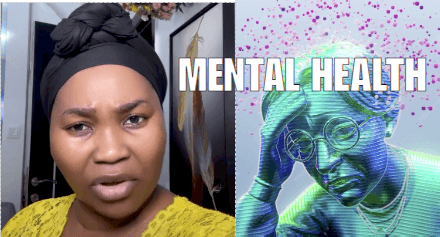
Yewande Adekoya Urges Couples to Prioritise Mental Health Tests Before Marriage
Nollywood actress and filmmaker Yewande Adekoya has called on couples planning to marry to take mental health and personality assessments seriously, arguing that emotional and psychological wellbeing is just as important as spiritual preparation.
In a video shared on Instagram and widely circulated online, Adekoya urged intending couples to go beyond prayers and fasting by seeking professional psychological evaluations before committing to marriage. According to her, understanding a partner’s mental and emotional state can prevent avoidable crises later in life.
Her comments have since sparked conversations across social media, particularly as mental health awareness continues to gain ground in Nigeria’s public discourse.
A message rooted in faith and science
Speaking in the video, Adekoya said the message came to her during a personal moment of reflection, which she described as a “quiet time” with God. She explained that while many couples rely heavily on spiritual preparation, they often overlook scientific and medical assessments that could reveal critical information about compatibility and long-term stability.
She stressed that personality tests, psychological evaluations and mental health screenings should be seen as essential steps before marriage, not as signs of distrust.
According to her, such assessments can help identify conditions such as bipolar disorder, attention deficit hyperactivity disorder, schizophrenia, depression, psychosis and narcissistic traits.
“If you are about to get married, you have prayed, fasted and done everything you believe is spiritually necessary,” Adekoya said in the video. “But there is usually that inner voice asking if you have truly done all you need to do. That is where science comes in.”
Related News
She added that undergoing mental health evaluations allows couples to understand what they may be committing to and whether both partners are emotionally equipped for marriage.
Warning signs couples should not ignore
A key part of Adekoya’s message focused on what she described as red flags. She cautioned that a partner’s refusal to undergo psychological or personality tests should not be taken lightly.
According to her, resistance to such evaluations may indicate that the person is hiding something or unwilling to confront underlying issues.
“If you suggest these tests and your partner refuses, you should pay attention,” she said. “That person may know something you do not. This is not about fear or suspicion. It is about being informed.”
She further noted that mental health challenges do not automatically disqualify someone from marriage, but knowing about them early allows couples to make informed decisions and seek appropriate support.
Her message, she said, was not meant to stigmatise mental illness but to encourage honesty, preparedness and responsibility before entering a lifelong commitment.
Growing conversation around mental health in relationships
Adekoya’s comments come at a time when conversations around mental health are becoming more prominent in Nigeria, although stigma remains widespread. Mental health professionals have long argued that untreated psychological conditions contribute significantly to marital breakdown, domestic conflict and emotional trauma.
According to the World Health Organization, mental health disorders account for a growing share of the global disease burden, yet many people in low and middle income countries still lack access to diagnosis or treatment. In Nigeria, cultural beliefs and fear of judgment often discourage individuals from seeking help.
Relationship counsellors say Adekoya’s message aligns with what they see in practice. Many marital disputes, they note, stem from unaddressed mental health issues rather than incompatibility alone.
A Lagos based clinical psychologist, who spoke on condition of anonymity, said pre marital psychological assessments can help couples understand emotional triggers, communication styles and coping mechanisms.
“Marriage does not create mental illness, but it can expose it,” the expert said. “When people go in without awareness, small issues can escalate into serious conflict. Early evaluation helps couples prepare realistically.”
Why the issue matters now
The actress’s comments have gained traction partly because of rising divorce rates and highly publicised cases of domestic violence and marital breakdown in Nigeria. Social media has also amplified personal stories of individuals who say they ignored warning signs before marriage, only to face emotional or psychological abuse later.
At the same time, younger Nigerians are increasingly open to therapy, counselling and mental health conversations, marking a shift from older generations where such topics were often taboo.
Observers say Adekoya’s intervention reflects this cultural transition, blending religious faith with scientific reasoning in a way that resonates with a broad audience.
Her insistence that faith and science should work together, rather than in opposition, has been widely shared and debated online, with many praising her for addressing an issue often avoided in public discussions.
What couples should consider next
Experts advise couples who are planning to marry to seek professional guidance from licensed psychologists or counsellors rather than relying on online personality tests alone. Structured premarital counselling, they say, can help partners discuss expectations, finances, communication styles and emotional health.
They also caution against using mental health evaluations as tools for blame or control. Instead, such assessments should serve as a foundation for mutual understanding and growth.
As Adekoya emphasised in her message, the goal is not perfection but awareness.
“Knowing what you are walking into does not mean the marriage will fail,” she said. “It means you are prepared to handle it wisely.”
Looking ahead
While opinions remain divided, Adekoya’s remarks have added fresh momentum to discussions about responsible marriage preparation in Nigeria. As awareness grows and stigma gradually declines, more couples may begin to view mental health checks as a normal and necessary step rather than an insult or sign of distrust.
For now, her message stands as a reminder that love alone may not be enough, and that informed decisions can make a significant difference in the long-term success of a marriage.
Add a Comment