


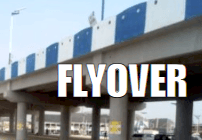
Delta State Governor Sheriff Oborevwori is set to formally flag off the construction of the N59.7 billion Uromi Junction Flyover in Agbor, Ika South Local Government Area, on Monday, January 19, 2026, marking another major milestone in the state’s expanding urban infrastructure programme.
The project, which will be inaugurated at 11:00 a.m., is expected to ease chronic traffic congestion along one of Delta State’s busiest transport corridors while improving road safety and boosting economic activity in the area. According to a statement issued on Sunday by the Governor’s Chief Press Secretary, Festus Ahon, invited guests are expected to be seated by 10:00 a.m. ahead of the ceremony.
Construction already underway
Although the official groundbreaking is scheduled for Monday, construction activities have already commenced at the project site along the Lagos–Asaba Expressway at Uromi Junction. The early mobilisation of equipment and personnel signals the administration’s intent to fast-track delivery and minimise disruption to commuters who rely heavily on the corridor.
The Uromi Junction axis serves as a strategic link between Delta’s commercial centres and neighbouring states, including Edo. Over the years, the intersection has become notorious for traffic bottlenecks, especially during peak hours and festive seasons, with long queues often stretching several kilometres.
According to state officials, the new flyover is designed to decongest the area, improve traffic flow and reduce travel time for motorists moving between Agbor, Asaba, Benin and surrounding communities.
Part of a broader infrastructure agenda
The flyover project forms part of Governor Oborevwori’s broader commitment to upgrading critical infrastructure across Delta State since assuming office. His administration has repeatedly identified road construction and urban renewal as central to its development agenda, particularly in fast-growing towns where traffic volume has outpaced existing infrastructure.
In recent months, the state government has rolled out several road rehabilitation and expansion projects aimed at supporting commerce, easing mobility and improving safety. The Agbor flyover stands out as one of the most capital-intensive projects announced so far, reflecting its strategic importance.
According to the state government, the N59.7 billion investment is expected to deliver long-term economic value by reducing transport costs, cutting travel time and encouraging business activity along the Lagos–Asaba corridor, one of the busiest routes in southern Nigeria.
Why the project matters now
Urban planners and transport analysts say the timing of the project is significant. Agbor has witnessed rapid population growth in recent years, driven by its location as a gateway between Delta and Edo states. This growth has placed increasing pressure on road infrastructure that was not originally designed to handle current traffic volumes.
A transport analyst familiar with road development in the South-South region noted that the Uromi Junction has become a critical choke point for commercial vehicles, private motorists and inter-state transport operators.
“When traffic builds up at that junction, it affects movement across a wide stretch of the region,” the analyst said. “A flyover there will not only improve safety but also support economic activity by reducing delays and fuel consumption.”
The project also comes at a time when state governments are under pressure to demonstrate tangible development outcomes amid rising construction costs and public demand for visible infrastructure.
Expected impact on residents and businesses
For residents of Agbor and surrounding communities, the flyover is expected to bring both short-term inconvenience and long-term relief. While construction may lead to temporary traffic diversions, the completed structure is projected to significantly improve commuting conditions.
Transport operators, traders and logistics companies operating along the corridor have welcomed the development, noting that traffic congestion at the junction has often resulted in lost hours and higher operating costs.
Local business owners believe the project could also attract new investments to the area once completed, as improved road access typically encourages commercial expansion and property development.
Government assurance on project delivery
The Delta State Government has assured residents that the project will be executed to specification and within an agreed timeline. Officials say measures have been put in place to ensure quality control and minimize disruption during construction.
In his statement, Ahon emphasised the importance of punctuality for the flag-off ceremony, urging invited guests to arrive early. While no completion date was announced, observers expect the government to provide further details on project timelines during the inauguration.
What to watch next
Attention will now turn to how quickly construction progresses and whether the project adheres to budget and schedule. Infrastructure analysts say the pace of work in the first few months will be a key indicator of the administration’s commitment to timely delivery.
Residents will also be watching for traffic management plans during construction, as poor coordination could worsen congestion in the short term.
As Delta State continues to expand its urban infrastructure footprint, the Agbor flyover will likely serve as a test case for how effectively large-scale projects can be delivered amid economic pressures and rising public expectations.
Add a Comment