


High blood pressure, also known as hypertension, remains one of the leading risk factors for heart disease, stroke, and kidney problems worldwide. Many people assume medication is the only solution. However, medical experts say lifestyle choices can make a powerful difference, especially in the early stages of the condition.
According to Mayo Clinic health experts, consistent lifestyle changes can prevent high blood pressure from developing, slow its progression, or reduce the need for long term medication. In some cases, these adjustments can significantly improve overall heart health.
Below are 10 evidence based lifestyle strategies that can help control blood pressure naturally, backed by medical research and expert guidance.
1. Maintain a Healthy Weight and Monitor Waist Size
Body weight has a direct impact on blood pressure. As weight increases, blood pressure often rises alongside it. Excess weight also raises the risk of sleep apnea, a condition that further elevates blood pressure levels.
According to Mayo Clinic specialists, losing even a small amount of weight can make a noticeable difference. On average, blood pressure may drop by about 1 millimeter of mercury for every kilogram, or about 2.2 pounds, of weight lost.
Waist circumference is another important indicator. Fat concentrated around the abdomen is closely linked to cardiovascular risk. Generally, men with a waist measurement above 40 inches and women above 35 inches face a higher risk, although ideal measurements may vary by ethnicity and individual health factors. Doctors recommend discussing healthy targets with a healthcare provider.
2. Engage in Regular Physical Activity
Exercise is one of the most reliable ways to lower blood pressure naturally. Regular aerobic activity can reduce systolic and diastolic blood pressure by 5 to 8 millimeters of mercury.
Health professionals advise aiming for at least 30 minutes of moderate activity most days of the week. Activities such as brisk walking, jogging, swimming, cycling, and dancing are effective options.
Related News
Meanwhile, high intensity interval training, which alternates short bursts of intense exercise with lighter activity, has also shown benefits. Strength training adds further value and should be included at least twice a week. Before starting a new routine, experts recommend consulting a healthcare professional, especially for people with existing medical conditions.
3. Follow a Heart Healthy Eating Pattern
Diet plays a central role in blood pressure control. Eating plans rich in fruits, vegetables, whole grains, and low fat dairy products while limiting saturated fat and cholesterol can reduce blood pressure significantly.
According to Mayo Clinic guidance, approaches such as the DASH diet and the Mediterranean diet can lower blood pressure by as much as 11 millimeters of mercury.
Potassium is particularly important because it helps counteract the effects of sodium. Foods like bananas, oranges, leafy greens, beans, and potatoes are rich sources. Many adults benefit from consuming between 3,500 and 5,000 milligrams of potassium daily, although individual needs vary.
4. Cut Back on Salt and Sodium
Excess sodium is a well established contributor to high blood pressure. Even modest reductions can improve heart health.
Experts advise limiting sodium intake to no more than 2,300 milligrams per day. For most adults, an ideal target is closer to 1,500 milligrams daily, which may reduce blood pressure by 5 to 6 millimeters of mercury.
To reduce sodium intake, doctors recommend reading nutrition labels carefully, choosing low sodium alternatives, eating fewer processed foods, avoiding adding salt at the table, and cooking more meals at home using herbs and spices for flavor.
5. Drink Alcohol in Moderation
Alcohol can raise blood pressure if consumed excessively. Limiting intake can lead to measurable improvements.
Medical guidelines suggest no more than one drink per day for women and two drinks per day for men. One standard drink equals 12 ounces of beer, 5 ounces of wine, or 1.5 ounces of distilled spirits.
According to reports cited by Mayo Clinic, staying within these limits can lower blood pressure by about 4 millimeters of mercury. Heavy drinking, however, may sharply increase blood pressure and reduce the effectiveness of medications.
6. Stop Smoking Completely
Smoking causes a temporary spike in blood pressure and damages blood vessel walls over time. Each cigarette contributes to cardiovascular strain.
Quitting smoking leads to immediate and long term benefits. Blood pressure begins to improve shortly after quitting, while the risk of heart disease steadily declines. Doctors also note improvements in lung function, circulation, and overall life expectancy.
7. Prioritize Quality Sleep
Sleep and blood pressure are closely linked. Getting fewer than seven hours of sleep per night over an extended period increases the risk of hypertension.
Adults are advised to aim for seven to nine hours of quality sleep each night. Sleep disorders such as sleep apnea, insomnia, and restless leg syndrome can worsen blood pressure and should be evaluated by a healthcare professional.
Experts also recommend maintaining a consistent sleep schedule, creating a calm and dark sleeping environment, limiting screen time before bed, avoiding heavy meals late at night, and keeping daytime naps short.
8. Manage Stress Effectively
Chronic stress may contribute to high blood pressure, particularly when it leads to unhealthy coping habits such as overeating, smoking, or alcohol use.
Although research on stress reduction and blood pressure is ongoing, experts agree that managing stress supports overall cardiovascular health. Practical strategies include identifying stress triggers, prioritizing tasks, setting realistic goals, practicing deep breathing or meditation, and making time for hobbies or physical activity.
Practicing gratitude and seeking social support can also help reduce emotional strain.
9. Monitor Blood Pressure at Home and Attend Regular Checkups
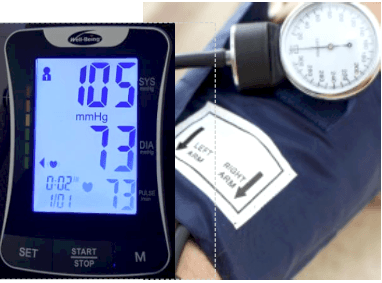
Home blood pressure monitoring provides valuable insight into how lifestyle changes and treatments are working. Affordable devices are widely available and do not require a prescription.
Healthcare professionals recommend discussing proper technique and monitoring frequency before starting. Regular medical checkups remain essential, even when blood pressure appears well controlled, as they allow early detection of changes and complications.
10. Control Cholesterol and Blood Sugar Levels
High cholesterol and elevated blood sugar increase the risk of heart disease and often occur alongside hypertension.
According to medical experts, many of the same lifestyle habits that lower blood pressure also help control cholesterol and glucose levels. These include healthy eating, regular exercise, weight management, and avoiding tobacco. Patients are encouraged to follow individualized medical advice for managing these conditions.
Long Term Commitment Makes the Difference
Lowering blood pressure without medication is a gradual process that requires consistency. Some days may feel challenging, but support from family, friends, or community groups can make the journey easier.
Health experts emphasize that small, sustained changes often lead to the most lasting results. Over time, these habits not only help control blood pressure but also improve energy levels, mental well being, and overall quality of life.
Add a Comment