


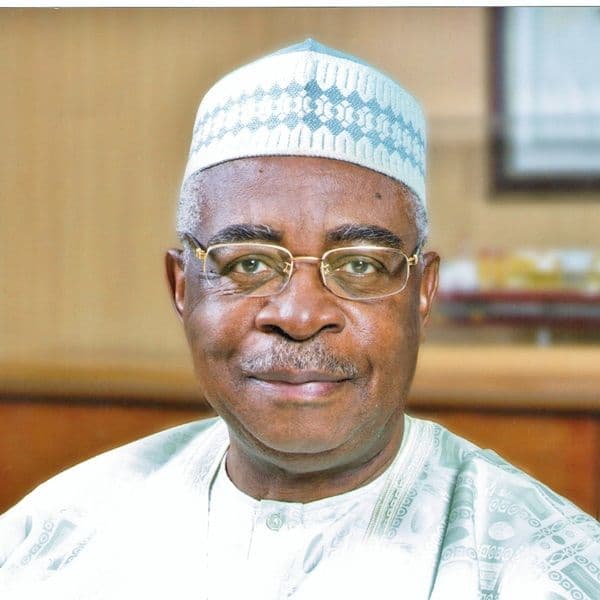
N3 billion changed hands on Tuesday in Abuja. That was the single largest pledge announced during the public presentation of My Life of Duty and Allegiance, the 20-chapter autobiography of former Nigerian Head of State Yakubu Gowon.
The donation came from former Defence Minister Theophilus Danjuma, represented at the event by former Chief of Defence Staff Martin Luther Agwai. Business magnate Aliko Dangote separately announced a N500 million contribution tied to the launch.
The event drew Nigeria’s political and military establishment into one room. Vice President Kashim Shettima attended on behalf of President Bola Tinubu. Diplomats, senior military officers, and corporate executives filled the Abuja venue. The memoir itself spans Gowon’s military career, the Nigerian Civil War, and the post-war reconstruction years that followed his government’s “no victor, no vanquished” policy.
Danjuma’s N3 billion pledge exceeded every other publicly announced contribution at the Abuja launch event.
Dangote committed N500 million, while BUA Group Chairman Abdul-Samad Rabiu announced N25 million in book purchases.
The ceremony doubled as a reunion of Nigeria’s military and business elite, with serving officials sharing space with former wartime commanders.
Gowon’s post-civil war reconciliation policy became the dominant political message repeated throughout the event.
Gowon’s Memoir Launch Became a Financial Showcase
Related News
Danjuma’s representatives said the former Defence Minister also directed that 12 copies of Gowon’s autobiography be distributed to libraries in each of the 20 universities that awarded honorary doctorates to the former Head of State. That instruction turned a ceremonial donation into a broader institutional endorsement tied to Nigeria’s university system.
The scale of the pledge matters because Nigerian public book launches often function as political and business networking events as much as literary gatherings. Large “launching” donations are typically public declarations of allegiance, access, or prestige. Tuesday’s ceremony followed that pattern closely.
Dangote’s N500 million contribution placed him far behind Danjuma financially, despite Dangote remaining Africa’s richest businessman through the Dangote Group. Abdul Samad Rabiu, representing BUA Group, announced N25 million in purchases of copies of the memoir.
No public breakdown was immediately provided explaining whether the funds would go directly to publishing costs, charitable causes, archival projects, or private foundations associated with the launch.
Danjuma and Gowon’s Shared Military History Framed the Event
Danjuma used the occasion to reinforce Gowon’s wartime legacy. According to remarks delivered on his behalf, he described Gowon as “Nigeria’s foremost living statesman” and credited him with preventing the country’s disintegration during the civil war between 1967 and 1970.
Those comments carried institutional weight because Danjuma himself played a direct role in Nigeria’s military governments during that era. His relationship with Gowon predates the war. Danjuma said their friendship stretched back more than 70 years to Wusasa in Zaria.
Gowon led Nigeria during the Biafran War, a conflict that killed more than one million people according to multiple humanitarian estimates and permanently reshaped the country’s federal structure. His administration’s reconstruction slogan, “no victor, no vanquished,” remains one of the most cited phrases in Nigerian political history.
At the launch, that slogan resurfaced repeatedly as both historical defense and political branding.
Abuja’s Political Optics Were Difficult to Ignore
The seating arrangement alone reflected the coalition gathered around Gowon’s legacy. Senior politicians, military officers, diplomats, bishops, and industrialists appeared side by side in support of a former military ruler whose administration ended in a 1975 coup.
The event also revealed how former military networks continue to overlap with Nigeria’s commercial class decades after the end of military rule in 1999. Dangote, Rabiu, Danjuma, and retired generals all occupied visible roles in the ceremony.
Our analysis of the publicly announced donations found Danjuma’s pledge was six times larger than Dangote’s and 120 times larger than Rabiu’s purchase commitment. The disparity highlighted the symbolic hierarchy operating within the event itself.
Yet, the launch was framed less as philanthropy than historical preservation. Bishop Matthew Hassan Kukah, who reviewed the memoir, described the autobiography as part of the national historical record. Kukah has long positioned himself as one of Nigeria’s most outspoken clerical commentators on governance, corruption, and national unity.
His presence added moral authority to the proceedings.
Questions Remain About Transparency and Purpose
Public launches involving major donations are common in Nigeria, but disclosures surrounding the destination and administration of funds are often limited. Tuesday’s event followed that familiar pattern. Organizers publicly celebrated the amounts pledged but released few operational details about fund management.
No audited framework was announced at the venue.
That matters because book launches linked to political figures have historically blurred the line between cultural celebration and influence-building. Several past launch events involving former officeholders have attracted scrutiny over whether donations functioned as indirect political patronage or elite relationship maintenance.
There is no evidence, based on statements made Tuesday, that the Gowon launch violated any law or fundraising regulation. But the lack of detailed disclosure leaves unanswered questions about administration, beneficiaries, and long-term use of proceeds.
The memoir itself may eventually matter less than the coalition assembled around it.
Why was Danjuma’s donation getting so much attention?
Because N3 billion is unusually large for a Nigerian book launch, even by elite political standards. It dwarfed every other public pledge announced at the Abuja event.
Did Gowon personally receive the money?
Organizers did not publicly explain the exact financial structure. They announced the pledges during the launch ceremony but did not release detailed fund administration documents.
Why was the event politically significant?
It gathered former military rulers, current government officials, top businessmen, and diplomats in one venue. In Nigeria, that kind of attendance signals continuing political relevance, even for retired figures.
The next unresolved question is financial, not literary. Organizers of the Abuja launch have not publicly disclosed whether the pledged N3.525 billion will be managed through a foundation, publishing trust, or private administrative structure, and no deadline has been announced for a formal accounting of the funds.
Add a Comment