


Abia State’s plan to introduce electric-powered mass transit buses is entering a decisive phase, with officials confirming that key supporting infrastructure is nearing completion ahead of the planned launch of full bus services.
State authorities disclosed that the number of electric bus charging stations across Abia will be significantly increased as more facilities come on stream, a move designed to support the smooth operation of the buses and reduce pressure on existing infrastructure.
According to state officials, the infrastructure push includes the installation of a dedicated power facility at the Umuahia Central Bus Terminal, a development that signals the government’s intention to ensure reliability and long-term sustainability for the electric transport system.
Charging Stations to Be Expanded Across the State
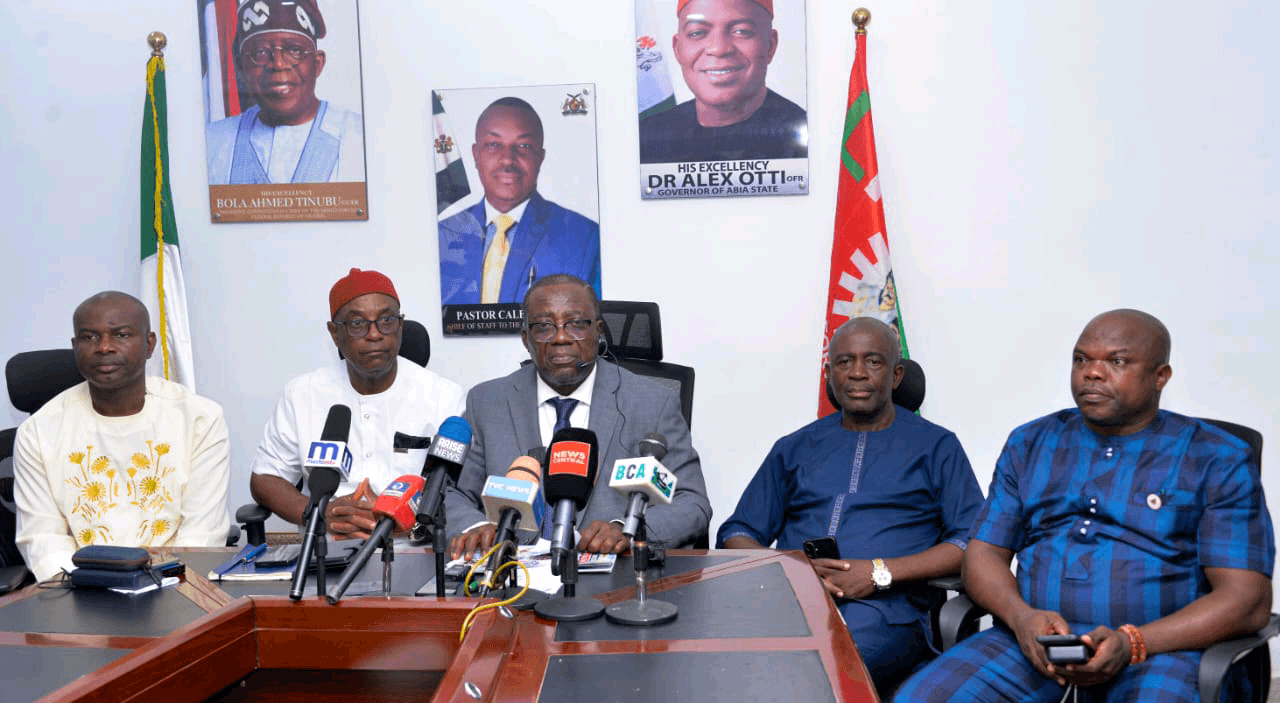
Prince Kanu, who briefed journalists on the project, revealed that the expansion of charging infrastructure is a core part of the state’s transport rollout strategy.
He explained that with additional electric bus charging stations arriving, the state is preparing to ramp up the number of operational charging points to meet expected demand once the buses begin running at full capacity.
“This also follows the installation of a two MVA 33/0.415 kV distribution substation at Umuahia Central Bus Terminal,” Prince Kanu said.
He noted that the substation is intended to provide a stable and dedicated power supply for the electric buses, reducing the risk of service disruptions that have undermined similar projects in other parts of the country.
Related News
Substation Nears Completion Ahead of Handover
Prince Kanu further disclosed that work on the Umuahia Central Bus Terminal substation is approaching its final stages.
“With these developments, all the necessary supporting infrastructure is being put in place to ensure a smooth and hitch-free commencement of full bus services,” he said.
According to him, the substation has reached about an 80 percent completion rate, raising expectations that the project will be delivered on schedule.
“The substation has reached about 80 percent completion rate. So, from all indications, all hands are on deck to ensure that at the end of the month, the project is handed over to the State Government,” Prince Kanu added.
The planned handover timeline is significant, as it aligns with the state’s broader transport reform agenda, which seeks to modernize urban mobility while reducing traffic congestion and environmental pollution.
Addressing Urban Congestion and Street Parking
Beyond power infrastructure, state officials say the electric bus project is also tied to efforts to restore order to traffic flow in Umuahia, particularly around key commercial corridors.
The General Manager of the Umuahia Capital Development Authority (UCDA), Mr Kingsley Agomuo, said indiscriminate street parking by buses has remained a major contributor to congestion within the city.
According to him, buses parking along major roads have continued to disrupt traffic despite earlier engagements with operators.
“Parking on the streets has been creating unnecessary traffic issues and causing congestion within the city,” Mr Agomuo said.
He recalled that transport operators had been formally advised last year to relocate their vehicles into designated parks.
“We spoke to them last year that they should move all these buses into the parks, and then from there, they can now come to their various loading points to load passengers,” he said.
Mr Agomuo explained that full compliance with the directive would significantly ease traffic pressure in the urban centre.
“If they move their vehicles away from there, it will create easy movement and easy traffic within the urban centre,” he added.
The timing of Abia’s electric bus rollout is particularly notable, coming amid rising fuel costs, increasing pressure on urban transport systems, and growing calls for environmentally responsible governance.
Electric buses, while capital-intensive at the outset, are widely regarded by transport analysts as more cost-effective over time due to lower maintenance and energy costs. They also produce zero tailpipe emissions, an advantage that could improve air quality in densely populated areas like Umuahia.
For Abia State, the project represents more than a transport upgrade. It is also a test of whether subnational governments can successfully integrate clean energy solutions into public infrastructure without overburdening existing power networks.
The installation of a dedicated two MVA substation suggests that planners are attempting to address one of the most common weaknesses in electric mobility projects, which is unreliable electricity supply.
While officials have expressed confidence about timelines, transport observers note that the real test will begin once the buses are deployed and daily operational demands set in.
Key issues to watch include the reliability of the charging stations under sustained use, enforcement of parking and traffic regulations, and the state’s capacity to maintain the new infrastructure over time.
Another area of interest will be public adoption. Commuter response to the new buses, including affordability, route coverage, and service consistency, will ultimately determine whether the initiative delivers its intended social and economic benefits.
Officials Present at the Briefing
The media briefing was attended by senior government communication officials, underscoring the importance the administration is placing on public awareness around the project.
Those present included the Special Adviser to the Governor on Media and Publicity, Mr Ferdinand Ekeoma, and the Chief Press Secretary to the Governor, Mr Ukoha Njoku Ukoha.
Their presence suggests that the state government intends to sustain public engagement as the electric bus programme transitions from infrastructure development to full-scale operations.
A Broader Signal of Policy Direction
Taken together, the charging station expansion, power substation installation, and traffic management efforts point to a coordinated attempt by the Abia State Government to rethink urban transport planning.
If successfully implemented, the electric bus initiative could serve as a reference point for other states exploring clean transit solutions, particularly those grappling with unreliable power supply and congested city centres.
For now, attention remains fixed on the promised end-of-month handover of the Umuahia substation, a milestone that could determine how quickly Abians begin to see electric buses operating consistently on city roads.
Add a Comment