


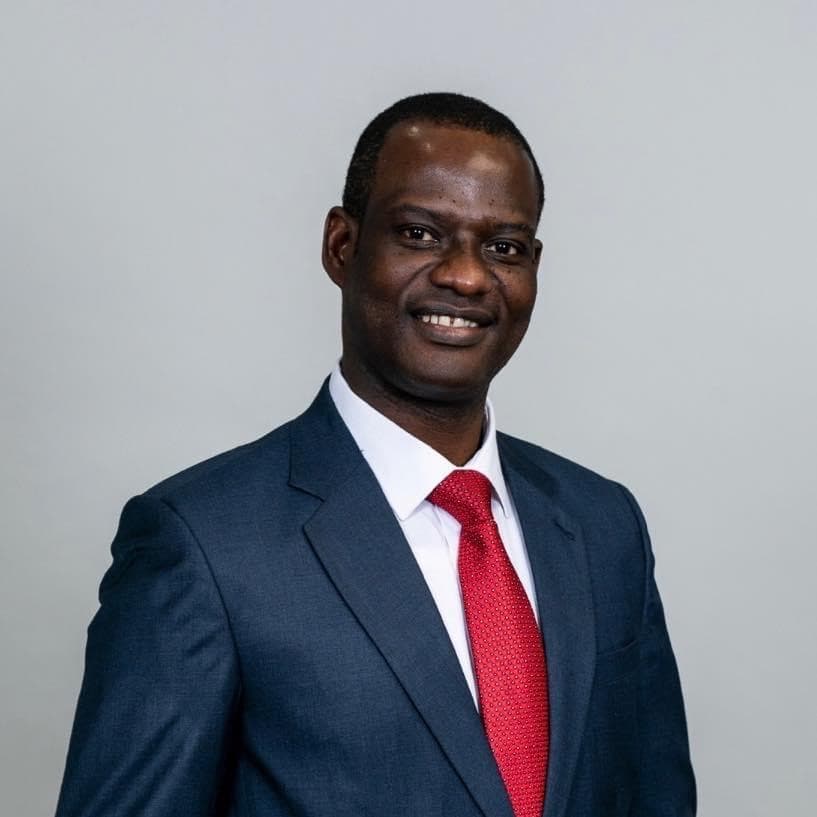
The Chairman of the Presidential Committee on Fiscal Policy and Tax Reforms, Taiwo Oyedele, has disclosed that his role in driving Nigeria’s far-reaching tax reforms has attracted threats to his personal safety, underscoring the political and social resistance surrounding efforts to overhaul the country’s fiscal system.
Oyedele made the disclosure on Tuesday in Abuja while speaking at a governance colloquium organised to mark the 50th birthday of the Special Adviser to the President on Policy and Coordination, Hajiya Hadiza Bala-Usman. According to him, reforming Nigeria’s tax framework has proven far more contentious than many anticipated, largely because it disrupts entrenched interests and long-standing practices.
“Reforms are hard, and tax reforms are even harder. You need courage. I receive threats simply for trying to fix a broken system,” Oyedele said during his remarks at the event.
Resistance rooted in trust deficit
According to Oyedele, one of the most significant obstacles facing tax reform implementation is the deep mistrust many Nigerians have toward government institutions. He said this scepticism, combined with weak tax compliance culture and limited understanding of how taxes translate into public services, has complicated efforts to build public support.
He explained that many citizens view the reforms as an attempt to introduce new taxes, even when the policy direction is focused on reducing, consolidating, and harmonising existing levies.
“There is suddenly a national awareness, and people say the government has brought taxes all over the place, when in fact what we are doing is reducing the taxes they have been paying and harmonising them,” Oyedele said.
Policy analysts say this perception gap reflects a broader challenge in Nigeria’s fiscal governance, where decades of poor service delivery have weakened the social contract between the state and taxpayers.
Why tax reform has become unavoidable
According to Oyedele, Nigeria’s tax revenue remains significantly below that of comparable economies, leaving the government heavily dependent on borrowing and volatile oil earnings. This imbalance, he said, made comprehensive reform unavoidable.
Nigeria’s tax-to-GDP ratio has long trailed peer countries in Africa and emerging markets, a gap that economists have repeatedly warned could undermine long-term economic stability. According to reports from fiscal policy experts, this low revenue base limits government investment in infrastructure, healthcare, education, and social protection.
Oyedele argued that the current reform effort is the first attempt in years to address the structural weaknesses of the tax system rather than relying on short-term adjustments.
“What we have been doing all my adult life with the tax system was a pain reliever. It hasn’t taken us far. Now we’re doing the surgery. It will come with pain, but it is the only right thing to do,” he said.
Political and personal risks
Beyond policy resistance, Oyedele said the reforms carry significant political, economic, and reputational risks for those involved in their implementation. He noted that online abuse and personal attacks have become part of the cost of pushing through changes that affect powerful interests.
“You need the courage to push through. You need the courage to take risks, because it’s very risky,” he said.
Governance experts say such resistance is not unusual in reform processes that seek to close loopholes, expand the tax base, or limit discretionary powers. According to reports from transparency advocates, tax reforms often face pushback from groups that benefit from inefficiencies and exemptions embedded in existing systems.
Call for public support
Oyedele urged Nigerians who support the reforms to engage more actively in public discussions, warning that silence creates space for misinformation to dominate the narrative.
According to him, opponents of the reforms have been more vocal, shaping public opinion through social media and other platforms, while supporters often remain quiet.
He argued that broader civic engagement is essential if the reforms are to succeed and deliver long-term benefits.
A turning point in Nigeria’s fiscal framework
The disclosure comes just weeks after the federal government commenced enforcement of a new tax regime on January 1, 2026. The reforms are anchored on four major laws enacted to modernise Nigeria’s fiscal architecture.
These include the Nigeria Tax Act 2025, the Nigeria Tax Administration Act 2025, the Nigeria Revenue Service Establishment Act 2025, and the Joint Revenue Board Establishment Act 2025.
According to government officials, the laws are designed to simplify tax administration, improve coordination across federal and subnational authorities, and strengthen revenue collection without placing excessive burdens on compliant taxpayers.
Fiscal policy analysts say the package represents one of the most comprehensive tax overhauls in Nigeria’s recent history.
Experts note that the timing of the reforms is critical. Nigeria is grappling with high inflation, currency pressures, and rising public debt, making sustainable revenue generation a priority.
According to economists, improving tax efficiency is seen as a more stable alternative to repeated borrowing and ad hoc levies. The reforms also align with broader economic restructuring efforts aimed at restoring investor confidence and stabilising public finances.
However, analysts caution that successful implementation will depend heavily on transparency, consistent communication, and visible improvements in public service delivery.
“If citizens do not see clear value for the taxes they pay, resistance will persist, regardless of how well-designed the reforms are,” said a Lagos-based public finance analyst who spoke on condition of anonymity.
As enforcement of the new tax laws continues, observers will be watching how federal and state tax authorities interpret and apply the provisions. Key areas of interest include how harmonisation affects small businesses, how disputes are resolved, and whether compliance costs decline as promised.
There is also growing attention on how the government will manage public communication around the reforms, particularly in countering misinformation and addressing legitimate concerns from taxpayers.
For Oyedele and the committee he chairs, the coming months may prove decisive in determining whether Nigeria’s tax reform effort achieves lasting impact or becomes another contested chapter in the country’s economic history.
Oyedele’s disclosure of personal threats highlights the intensity of resistance surrounding Nigeria’s tax reforms and the high stakes involved in restructuring a system long viewed as inefficient and inequitable.
With the new tax regime already in force, the focus now shifts from policy design to execution. Whether the reforms succeed will depend not only on legal frameworks but also on public trust, political resolve, and the willingness of Nigerians to engage constructively in shaping the country’s fiscal future.
Add a Comment