


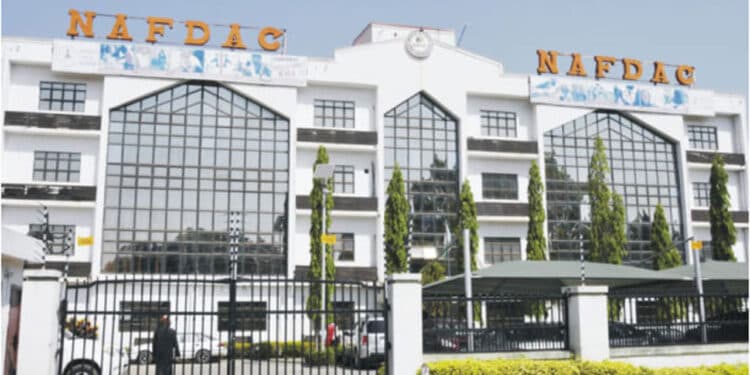
Nigeria’s drug and food regulator has moved to calm public anxiety following a global recall of some Nestlé infant formula products, assuring consumers that all Nestlé infant formula currently sold in the country is safe for use.
The National Agency for Food and Drug Administration and Control said none of the affected SMA infant formula batches recalled by Nestlé UK are registered, authorised, or distributed in Nigeria. The reassurance comes after widespread concern among parents and caregivers who feared that products linked to the recall might be available locally.
In a public notice signed by the agency’s Director General, Prof. Mojisola Adeyeye, NAFDAC explained that the voluntary recall announced by Nestlé UK involved specific batches of SMA infant formula withdrawn as a precaution in several countries outside Nigeria.
According to the agency, the recall was prompted by concerns over the possible presence of cereulide, a heat-resistant toxin produced by certain strains of the bacterium Bacillus cereus. The toxin is known to cause symptoms such as nausea, vomiting and abdominal cramps and is not easily destroyed by standard food preparation methods.
Nigerian products manufactured in Singapore
NAFDAC stressed that the SMA infant formula available in Nigeria is manufactured at Nestlé’s Tuas Factory in Singapore and is subject to the agency’s regulatory approval process.
“The Agency confirms that the SMA range marketed in Nigeria is manufactured at Nestlé’s Tuas Factory in Singapore and is duly registered with NAFDAC,” the notice said. It listed the approved products as SMA GOLD 1 with NAFDAC Registration Number B1-2783, SMA GOLD 2 with Registration Number B1-2780, and SMA GOLD 3 with Registration Number B1-2781.
The regulator added that it has also verified the safety status of the NAN infant formula range produced for the Nigerian market, noting that both SMA and NAN products sold locally are not part of the recalled batches announced by Nestlé UK.
This clarification, according to the agency, was necessary to prevent misinformation and panic buying or unnecessary disposal of safe products by worried parents.
Background to the global recall
In early January, Nestlé, one of the world’s largest food and beverage companies, announced a precautionary recall of specific batches of its SMA infant formula and follow-on milk products in more than 50 countries. The move followed routine quality checks that flagged a potential safety issue.
Food safety authorities in the United Kingdom and Europe, including the UK Food Standards Agency, said the affected batches may contain cereulide, a toxin associated with Bacillus cereus contamination. While the risk was described as low, regulators urged parents and caregivers not to use the recalled products and to follow official guidance on refunds or replacements.
Lists of the affected batch codes were published by regulators to help consumers identify the products involved. However, the recall did not include products manufactured for or officially supplied to the Nigerian market.
Despite this, reports of the recall circulated widely on social media and messaging platforms in Nigeria, triggering concern among families who rely on infant formula for feeding.
Why NAFDAC’s reassurance matters now
Infant formula is a sensitive product category, and safety alerts often generate heightened public reaction, particularly in countries where trust in imported consumer goods has previously been tested. NAFDAC’s intervention reflects an effort to maintain confidence while reinforcing the importance of regulatory oversight.
Public health analysts note that in a globalised supply chain, recalls in one region can quickly affect perceptions elsewhere, even when products are sourced from different factories. According to a Lagos-based food safety consultant who spoke on condition of anonymity, clear communication from regulators is critical to prevent both panic and complacency.
“When parents hear about a toxin linked to infant food, the instinct is fear,” the analyst said. “What matters is whether the regulator can clearly explain differences in sourcing, manufacturing and registration. That is what NAFDAC is trying to do here.”
Warning against unregistered imports
Beyond reassurance, NAFDAC used the opportunity to caution against unauthorised importation and informal purchase channels. The agency warned Nigerians against buying unregistered infant formula through online platforms, personal imports, or unofficial distributors.
According to NAFDAC, such practices increase the risk of recalled or substandard products entering the country without regulatory checks. The agency said it continues to enforce strict controls through product registration, routine market surveillance and post-market monitoring.
Consumers were advised to rely only on verified information released by NAFDAC and to report any suspected sale of recalled or unregistered products to the nearest NAFDAC office or through the agency’s hotline. The regulator also urged the public to discard any recalled products if encountered.
A pattern of recent safety clarifications
The SMA reassurance fits into a broader pattern of recent interventions by NAFDAC aimed at addressing safety alerts originating outside Nigeria. In late 2025, the agency clarified that Indomie Vegetable Flavour noodles recalled in France due to undeclared allergens were not registered or sold in Nigeria, while stepping up surveillance to prevent their entry into the local market.
During the same period, NAFDAC issued alerts over the recall of Nivea BLACK & WHITE Invisible Roll-On deodorant after harmful chemical content was flagged by the European Union’s alert system. It also ordered the recall of Dove Beauty Cream Bar Soap following the detection of a banned chemical impurity.
These actions, according to regulatory experts, show a more proactive stance in communicating risks tied to imported consumer goods and cosmetics, areas where Nigerian consumers often assume that foreign-made products are automatically safe.
While the immediate concern over Nestlé infant formula appears to have been addressed, experts say continued vigilance is necessary. Monitoring of informal import channels, especially online sales, remains a challenge for regulators worldwide.
For parents and caregivers, the key takeaway is to check product labels, confirm NAFDAC registration numbers and avoid unofficial sellers. For regulators, the episode underscores the need for faster, clearer public communication when international recalls break.
As global food supply chains become increasingly interconnected, similar situations are likely to arise again. How quickly and transparently authorities respond may determine whether public confidence is strengthened or undermined.
Add a Comment