


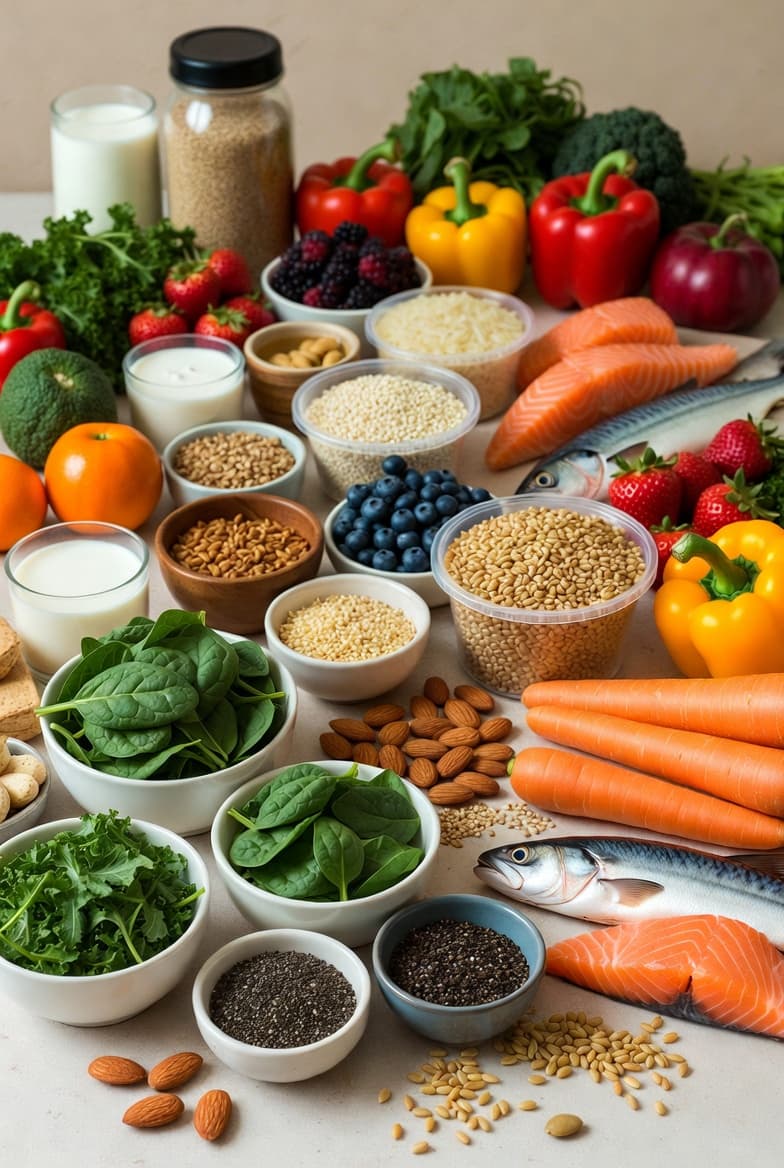
Interest in immune health has surged over the past several years, driven by the COVID-19 pandemic, rising rates of chronic illness, and growing awareness of how lifestyle choices affect long-term well-being. While no single food can prevent infection or replace medical care, nutrition experts say certain foods play a measurable role in supporting the immune system. The focus, they emphasize, should be on patterns of eating rather than quick fixes.
According to public health agencies and nutrition researchers, immunity is shaped by a complex interaction of diet, sleep, physical activity, and stress levels. Food matters because immune cells rely on a steady supply of vitamins, minerals, and energy to function properly. As health systems worldwide shift attention from crisis response to prevention, the role of everyday nutrition is receiving renewed scrutiny.
Understanding How Diet Supports the Immune System
The immune system is not a single organ but a network of cells, tissues, and signaling pathways. It depends heavily on nutrients to produce antibodies, regulate inflammation, and respond to pathogens. When the body lacks key nutrients, immune responses can become slower or less effective.
Historically, this link became evident during periods of food scarcity. Studies from the mid-20th century, including research conducted after World War II, showed that malnutrition increased susceptibility to infections. While severe deficiency is less common today in many regions, subtle nutrient gaps remain widespread.
According to the Food and Agriculture Organization of the United Nations, diets low in diversity continue to affect immune health globally, particularly in urban populations that rely heavily on ultra-processed foods.
Fruits and Vegetables Rich in Vitamin C
Vitamin C has long been associated with immune support, largely due to its role in white blood cell function. Citrus fruits such as oranges, lemons, and grapefruits are well-known sources, but they are not the only ones. Bell peppers, broccoli, kiwi, and strawberries also contain high levels of vitamin C.
Research shows that vitamin C helps immune cells migrate to sites of infection more efficiently. However, more is not always better. Excessive supplementation has not consistently shown additional benefits for healthy individuals.
What matters now is accessibility. Many vitamin C-rich foods are affordable and widely available, making them practical options across different regions and income levels.
Protein Sources and Immune Cell Production
Protein is often discussed in the context of muscle health, but it is equally important for immunity. Antibodies and immune signaling molecules are made from amino acids, the building blocks of protein.
Common protein sources include legumes, eggs, fish, poultry, dairy products, nuts, and seeds. In regions where animal protein is limited, beans and lentils play a critical role.
According to reports from the International Food Policy Research Institute, even moderate protein deficiency can impair immune response, particularly in children and older adults. This has implications for aging populations worldwide, where maintaining adequate protein intake becomes more challenging over time.
Fermented Foods and the Gut Immune Connection
One area of growing interest is the relationship between gut health and immunity. Around 70 percent of immune cells are located in the gut, making the digestive system a key immune organ.
Fermented foods such as yogurt, kefir, sauerkraut, kimchi, and miso contain beneficial bacteria that help maintain a balanced gut microbiome. According to Dr. Erica Sonnenburg, a microbiologist at Stanford University, dietary diversity and fermented foods support microbial communities that regulate inflammation and immune signaling.
A less widely discussed insight is that traditional fermented foods vary by culture, but their immune-supporting role is consistent. From fermented cassava in parts of Africa to pickled vegetables in Eastern Europe, these foods reflect local solutions to food preservation that also benefit immune health.
Zinc and Iron From Everyday Foods
Zinc and iron are essential minerals involved in immune cell development and oxygen transport. Zinc is found in foods such as whole grains, nuts, seeds, legumes, and meat. Iron sources include leafy greens, beans, red meat, and fortified cereals.
According to the World Health Organization, zinc deficiency remains a public health issue in many countries, contributing to increased infection risk. Iron deficiency, meanwhile, is one of the most common nutritional deficiencies globally, particularly among women and children.
Nutritionists note that pairing plant-based iron sources with vitamin C-rich foods improves absorption, a simple strategy that can be applied across different cuisines.
Healthy Fats and Inflammation Control
Not all fats are harmful. Omega-3 fatty acids, found in fatty fish such as salmon and sardines, as well as in flaxseeds and walnuts, play a role in regulating inflammation.
Chronic inflammation can weaken immune defenses over time. According to research published in the Journal of Nutrition, omega-3 fats help modulate immune responses without suppressing them entirely.
This matters now as rates of inflammatory conditions continue to rise globally, often linked to diets high in refined carbohydrates and industrial trans fats.
Why There Is No Single Superfood
Despite marketing claims, experts consistently caution against the idea of a single immunity-boosting superfood. The immune system requires balance and variety.
A unique perspective emerging from recent nutrition research is that consistency may matter more than intensity. Regular intake of diverse, minimally processed foods appears more beneficial than occasional consumption of highly promoted ingredients.
This challenges the seasonal spikes in sales of certain foods during health scares, suggesting that long-term habits deserve more attention than short-term trends.
Foods that support immunity are not exotic or difficult to find. They are often staples that have been part of traditional diets for generations. Fruits, vegetables, protein-rich foods, fermented products, and healthy fats all contribute to a resilient immune system when consumed regularly.
As attention shifts from reactive healthcare to prevention, everyday food choices take on greater significance. The evidence suggests that supporting immunity naturally is less about chasing trends and more about returning to dietary fundamentals that stand the test of time.
Add a Comment