


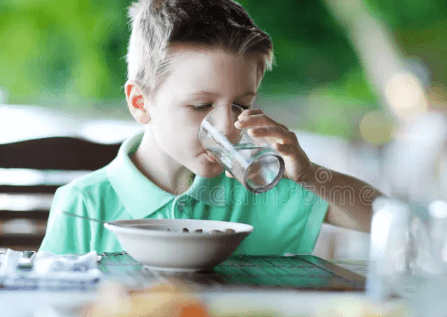
Drinking water during or after meals has long sparked debate, with some people worrying it could interfere with digestion. However, medical experts say those concerns are largely unfounded. For most people, water supports digestion rather than disrupting it.
Water and digestion: What science shows
According to health experts, drinking water does not dilute stomach acid or weaken digestive fluids. The body is well equipped to adjust fluid levels in the stomach as food is broken down. Water actually plays a direct role in digestion by helping dissolve nutrients so they can be absorbed more easily.
Water is also essential for saliva production, which begins the digestive process in the mouth. In the stomach, it forms part of gastric acid and other digestive fluids that help process food. Meanwhile, throughout the body, water supports circulation and waste removal through blood and urine.
Adequate hydration is also linked to better bowel health. Drinking enough water helps soften stool, making it easier to pass and reducing the risk of constipation, according to medical guidance.
Is it safe for everyone?
For the vast majority of people, drinking water with meals is safe and beneficial. However, individuals with certain medical conditions may need to be more cautious. People living with heart, kidney, or liver disease are sometimes advised to limit fluid intake to avoid complications.
Healthcare professionals recommend that anyone managing these conditions speak directly with their medical team about how much water is appropriate for them.
Water at mealtimes and weight goals
Drinking water with meals can also support weight management. A glass of water during meals helps meet daily hydration needs and can increase feelings of fullness without adding calories. This can be useful for people trying to maintain or lose weight.
However, for individuals aiming to gain weight, large amounts of water during meals may not be ideal. Drinking too much liquid can make you feel full sooner, potentially reducing food intake. In such cases, experts advise focusing on nutrient-dense foods and limiting fluids during meals.
Other habits that support healthy digestion
While hydration matters, digestion is influenced by many daily habits. Nutrition experts recommend eating slowly to give the digestive system time to work effectively. A balanced intake of fiber is also important, especially when paired with enough water to help fiber move smoothly through the gut.
Regular physical activity helps keep food moving through the digestive tract. Stress management is another key factor, as high stress levels can interfere with digestion, particularly during meals. Watching portion sizes can prevent discomfort and reduce the risk of overeating.
Eating meals on a consistent schedule may also help the digestive system function more efficiently, allowing it to work during eating periods and rest in between. Additionally, people who take medications that affect digestion are encouraged to ask healthcare professionals about ways to manage possible side effects.
The bottom line
For most people, drinking water during or after meals does not harm digestion and may even support it. Staying hydrated is a simple and effective way to promote digestive health. As always, individual needs can vary, so medical advice is important for those with underlying health conditions.
Add a Comment