


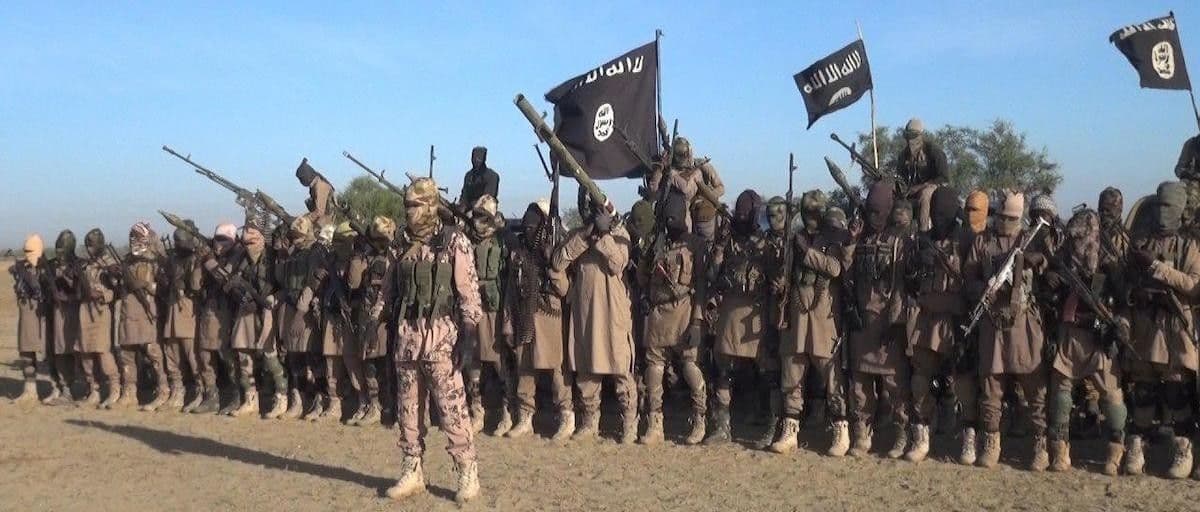
Whether that cameraman is the same man the terror group is now mourning as Abu Salim al-Barnawi remains unconfirmed by any government source.
The story matters because it tests how war reporting from Nigeria's northeast actually gets verified. Nearly every detail about al-Barnawi's death traces back to one man, security analyst Zagazola Makama, and to an obituary the terrorist group itself circulated. No independent body has matched a name to a body.
The military's account is narrower than the militants' obituary. On July 12, Punch Online reported that troops of Operation Hadin Kai neutralised an Islamic State West Africa Province cameraman and recovered video materials showing the presence of three foreign facilitators. Those facilitators had roles, not just nationalities. The recovered material reportedly identified a Palestinian Arab serving as a trainer and a Moroccan Arab acting as a medical doctor for the group in Borno State. A named officer put his name behind the operation. Capt. Goni, who disclosed the operation in a statement, said the success followed a failed infiltration attempt by ISWAP terrorists into Cross Kauwa, in Kukawa Local Government Area. Goni's statement describes a cameraman. It does not use the name Abu Salim al-Barnawi.
That name comes from the other side. The Islamic State West Africa Province has confirmed the death of its chief photographer and veteran raid commander, Abu Salim al-Barnawi, following a failed attack on a Nigerian military base last week, according to reporting from security analyst Zagazola Makama. The group's own messaging did the identifying. Text distributed with the obituary video states that Boko Haram put out an obituary of a dead raid commander and videographer, and that "he was smoked last week by the Nigerian Army" during the attack on the camp. The obituary adds career detail the military statement doesn't mention. It says he previously led raids into Cameroon before joining the group's media wing.
Makama's sourcing follows a pattern he has used before. Intelligence contacts, not official statements, are his standard attribution. In May, Makama obtained what sources described as the first verified photograph of ISWAP commander al-Minuki, taken by fighters who recovered and buried the body two days after an intelligence-led operation near Metele, Borno State. That case, too, rested on unnamed sources rather than a military press release naming the dead man.
Al-Barnawi's job inside ISWAP is what makes his death more than a battlefield footnote. Makama reported that Abu Salim was one of the group's most influential media operatives, serving as chief photographer and videographer, responsible for documenting combat operations and producing propaganda used for recruitment and to sustain morale. Groups that rely on video to recruit fighters lose more than a soldier when a cameraman dies. They lose the pipeline that turns raids into material.
ISWAP's media apparatus has already been fraying, according to separate reporting. Analysis from the Jamestown Foundation notes that ISWAP's last public leader, Abu Musab al-Barnawi, has not been seen in roughly five years, and recent Nigerian reporting suggests he has been dead since 2023, a death that would help explain the group's slowed media output and its lack of visible leadership. If a second, unrelated al-Barnawi (a common kunya, not evidence of family ties) has now died running the camera operation itself, that would compound an already visible decline in the group's propaganda output.
The broader picture inside Boko Haram's factions is one of internal fracture, not unified command. Zagazola Makama has separately reported that rival Boko Haram fighters chased ISWAP fighters and killed additional numbers of them near the Kangarwa and Dogon Chuku axis, forcing ISWAP commanders, including a figure using the name Abu Mosad Albarnawi, to flee toward southern Borno State. Multiple men have carried variations of the al-Barnawi name at different points in the group's history, which is itself a reason to treat any single unverified death report with caution rather than certainty.
Related News
None of the reporting reviewed here includes a Nigerian Army statement that names Abu Salim al-Barnawi directly, confirms his body was recovered, or links him by name to the cameraman described in Capt. Goni's account of the Cross Kauwa operation. Those are two different levels of confirmation, an obituary from the enemy camp and a military statement about an unnamed cameraman, and they have not yet been merged into one verified record.
Operation Hadin Kai has not said whether it will release the name of the cameraman killed at Cross Kauwa, or whether forensic identification of the body is underway. Until it does, the question of who exactly ISWAP is mourning, and whether propaganda production in the northeast has actually lost its chief architect, stays open.
Add a Comment