


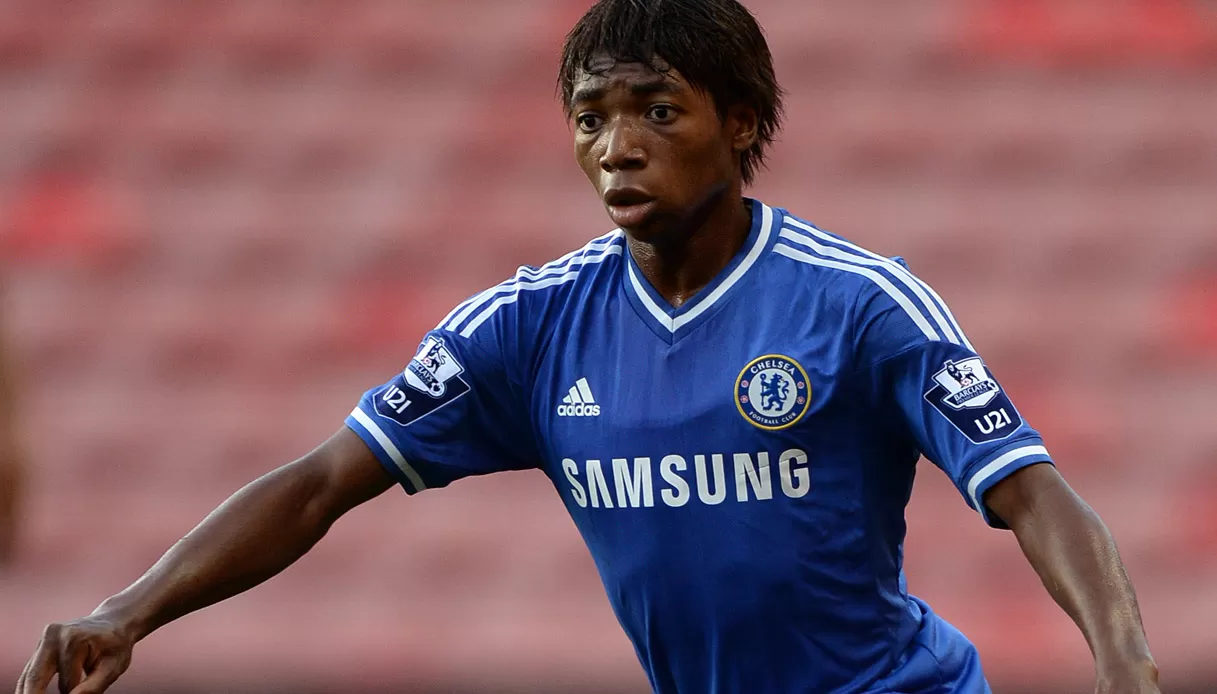
Former Chelsea academy footballer Lamisha Musonda has revealed that he is facing the final stage of a long illness, telling supporters that doctors have warned his condition has become critical and that he may have only a short time left.
In an emotional message shared on social media, the 33 year old Belgian said he has been fighting a serious illness for more than two years, a struggle that has kept him away from public view and ultimately forced him to confront the possibility that his life may soon come to an end.
The statement has prompted an outpouring of sympathy from former teammates, fans, and members of the football community, while also renewing attention on the often unseen personal challenges faced by players whose careers end early.
A personal message shared publicly
Musonda’s message, posted on Instagram, was written in reflective and deeply personal language. He explained that his prolonged absence from social media was tied directly to his health battle and acknowledged that he is now fighting simply to stay alive.
“As I realize I only have a few days left, I also realize I had a lot of people by my side, and I will always cherish the memories,” he wrote. “Life is hard, but the view is great.”
He added that the past two years had been physically and emotionally exhausting, describing them as a period marked by pain and uncertainty. According to Musonda, doctors have informed him that his condition is now critical, prompting him to ask for prayers and support from the public.
The former footballer also expressed gratitude to those who have supported him throughout his life, while sharing his sadness that he may not be able to thank many people in person.
Early promise at Chelsea and Anderlecht
Musonda’s name may not be widely known among younger fans, but he was once regarded as a promising youth prospect. He began his development at Belgian giants Anderlecht before joining Chelsea’s academy in 2012, at a time when the London club was investing heavily in young talent from across Europe.
At Chelsea, Musonda was part of a competitive youth system that produced numerous professional players, even though only a small fraction ultimately broke into the senior first team. According to club records, he never made a competitive senior appearance for Chelsea, but he remained part of the development setup for several years before moving on.
His career later took him to clubs in Spain and Africa, including Mechelen, Liagostera B, Palamos, and Mazembe. He also represented Belgium at under 21 level, earning nine caps between 2011 and 2013, a period that highlighted his potential at international youth level.
A career cut short
Musonda retired from professional football in 2019 at the age of 27, several years earlier than most players. At the time, little public explanation was given, and his retirement attracted limited media attention.
According to reports from European football outlets, his decision to step away from the game was influenced by a combination of physical setbacks and personal circumstances. His recent statement now sheds new light on the difficulties he has faced since leaving the sport.
His younger brother, Charles Musonda, also passed through Chelsea’s academy and enjoyed a more visible career, making seven senior appearances for the club before leaving in 2022. Charles has since received messages of support following his brother’s announcement, although he has not issued a detailed public statement.
Musonda’s disclosure comes at a time when football authorities are increasingly being urged to address player welfare beyond the pitch. While elite footballers are often perceived as financially secure and well supported, former academy players who do not establish long top level careers can find themselves without the same medical, psychological, or financial safety nets.
According to sports welfare analysts, cases like Musonda’s highlight the need for stronger post career support systems, particularly for players who retire young. While his illness is not publicly identified, the emotional toll described in his message echoes broader concerns about isolation and vulnerability among former athletes.
A former youth development coach in Belgium, speaking to local media, noted that many players who leave professional football early struggle quietly. “When the structure of the academy disappears, some players feel forgotten,” the coach said. “Health issues can become much harder to manage without that daily support.”
Reaction from the football community
Messages of sympathy and encouragement have flooded social media since Musonda’s post. Former teammates, academy coaches, and fans have shared tributes, recalling him as a dedicated professional and a well liked figure in the dressing room.
While Chelsea Football Club has not yet issued an official statement, several supporters’ groups have posted messages wishing him strength and peace. Belgian football fans have also shared his story widely, reflecting the strong emotional response in his home country.
According to reports from Belgian media, Musonda’s family is currently by his side as he continues treatment, although no further medical details have been released.
For now, attention remains focused on Musonda’s health and the support surrounding him. His message has also reopened discussion about how clubs and federations track and assist former players once their careers end.
Player unions in Europe have repeatedly called for expanded long term health monitoring and aftercare programs, particularly for those who retire before the age of 30. Observers say Musonda’s situation could add urgency to those conversations.
As fans continue to respond, many are also revisiting the human stories behind academy systems that produce stars but leave others largely out of sight once the spotlight fades.
Lamisha Musonda’s announcement is a sobering reminder that football careers, even those linked to major clubs like Chelsea, do not guarantee long term security or good health. His words have resonated not because of trophies or appearances, but because of their honesty and vulnerability.
As he faces the most difficult moment of his life, the former youth international has prompted reflection across the sport about compassion, responsibility, and the people who continue to matter long after the final whistle.
Add a Comment