


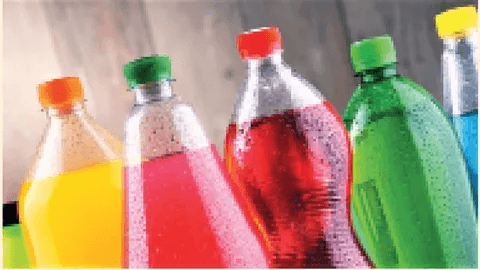
The World Health Organisation has called on governments worldwide to sharply increase taxes on sugary drinks and alcohol, warning that the low cost and wide availability of these products are driving a silent but escalating public health crisis. According to the global health body, current tax policies fail to reflect the true social and medical costs of excessive sugar and alcohol consumption, leaving health systems to absorb the consequences.
In a fresh appeal, the WHO said easy access to sugar sweetened beverages and alcoholic drinks is fuelling rising rates of obesity, diabetes, cancer, injuries, and other preventable conditions. These trends, the organisation warned, are placing growing pressure on healthcare systems already stretched by demographic changes and limited funding.
“Health taxes have been shown to reduce consumption of these harmful products,” WHO Director General Dr Tedros Ghebreyesus said. “They also generate revenue that governments can invest in health, education and social protection,” Punch reported.
Why WHO is sounding the alarm now
The WHO’s warning comes amid mounting evidence that non communicable diseases are accelerating globally, particularly in low and middle income countries where sugary drinks and alcohol are increasingly affordable. While many governments introduced health related taxes over the past decade, the organisation said these measures have often failed to keep pace with inflation, income growth, and changes in consumer behaviour.
According to WHO officials, the result is a paradox where harmful products become cheaper in real terms over time, even as their long term health impact becomes more visible. This trend, they argue, undermines years of public health messaging and prevention efforts.
A senior WHO policy adviser, speaking during a recent briefing, said taxation remains one of the most effective tools available to governments because it influences behaviour without requiring constant enforcement. However, the adviser noted that poorly designed taxes can blunt that impact.
Gaps in sugary drink taxation
WHO data shows that at least 116 countries currently impose some form of tax on sugary drinks. Despite this progress, the organisation warned that many high sugar products still fall outside existing tax frameworks.
These include 100 percent fruit juices, sweetened milk based beverages, and ready to drink coffees and teas. According to the WHO, many of these products contain sugar levels comparable to or higher than carbonated soft drinks, yet are often marketed as healthier options.
Public health researchers say these gaps allow manufacturers to reformulate or rebrand products to avoid taxation, shifting consumption rather than reducing it. WHO officials argue that taxes based on sugar content, rather than product category, are more effective in driving down overall intake.
The health risks are well documented. WHO warned that regular consumption of sugary drinks increases the likelihood of obesity, Type 2 diabetes, heart disease, dental problems, and osteoporosis. These conditions, in turn, raise long term healthcare costs and reduce quality of life.
Alcohol taxes lag behind economic realities
On alcohol, the WHO reported that 167 countries currently tax beer, wine, and spirits. However, the organisation said alcohol has become more affordable in many regions because tax rates have not been adjusted to reflect inflation or rising incomes since 2022.
According to WHO analysis, this erosion of real tax value has contributed to increased alcohol consumption, particularly among young people and vulnerable populations. Alcohol use is linked to a wide range of harms, including poor mental health outcomes, maternal and child health risks, communicable and non communicable diseases, and a higher likelihood of injuries.
Health economists say alcohol taxation often faces strong political resistance, despite clear evidence of its benefits. Industry groups frequently argue that higher taxes encourage illicit trade or hurt employment, claims the WHO says are not supported by long term data in most countries.
Evidence from the United Kingdom
To support its recommendations, the WHO pointed to the United Kingdom’s soft drinks industry levy, introduced in 2018. According to official figures cited by the organisation, the policy led to a significant reduction in sugar content across beverages as manufacturers reformulated products to avoid higher tax bands.
The levy also generated substantial public revenue. In 2024 alone, it raised £338 million, funds that were channelled into public programmes. Importantly, the WHO noted that obesity rates among young girls declined following the tax, with the strongest improvements recorded in poorer communities.
Public health analysts say this outcome challenges the argument that health taxes disproportionately harm low income households. Instead, they suggest that well designed taxes can deliver both health gains and equity benefits when revenues are reinvested in social services.
A broader push for health taxes
The WHO is now urging governments to raise and redesign taxes not only on sugary drinks and alcohol, but also on tobacco. According to the organisation, these so called health taxes should form part of a broader strategy to prevent avoidable deaths and reduce long term healthcare costs.
Dr Tedros has repeatedly argued that such taxes are among the fastest and most cost effective interventions available, particularly in countries with limited healthcare budgets. WHO estimates suggest that stronger health taxes could prevent millions of premature deaths over the next decade if widely adopted.
A unique concern highlighted by WHO officials is the growing influence of aggressive marketing in low regulation environments. As multinational beverage and alcohol companies expand into emerging markets, consumption patterns are shifting rapidly, often outpacing public health safeguards.
As governments weigh the WHO’s recommendations, attention is likely to focus on how taxes are structured and how revenues are used. Experts say transparency will be critical to maintaining public support, particularly if higher prices are not matched by visible improvements in health services.
Several countries are already reviewing their tax frameworks, according to reports from regional health agencies. However, progress is expected to be uneven, shaped by political priorities and industry lobbying.
For now, the WHO’s message is clear. Without decisive action, the global burden of preventable disease linked to sugar and alcohol will continue to rise, exacting a heavy toll on both lives and public finances.
The World Health Organisation’s call for higher taxes on sugary drinks and alcohol reflects growing concern that current policies underestimate the true cost of widespread consumption. By pointing to evidence from countries like the UK, the WHO argues that smarter, stronger health taxes can reduce harm while generating funds for social investment. Whether governments act on that advice may shape public health outcomes for years to come.
Add a Comment