


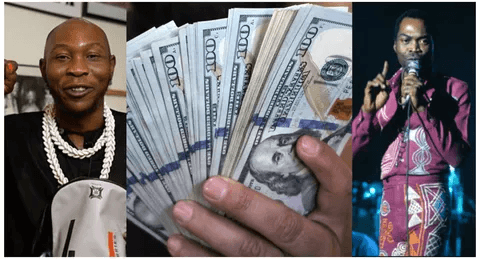
Afrobeat musician and social activist Seun Kuti has set off intense online debate following a blunt response to critics questioning his relevance and the extent to which his career is tied to his family name. In a video that has circulated widely across social media platforms, Kuti defended his personal achievements while emphasizing the enduring global influence of his late father, Afrobeat pioneer Fela Anikulapo-Kuti.
The remarks, delivered in characteristically direct language, quickly drew strong reactions from supporters and critics alike. While some applauded Seun Kuti for unapologetically affirming his heritage, others accused him of arrogance and unnecessary provocation.
What Seun Kuti said
In the viral clip, Seun Kuti appeared visibly frustrated as he addressed what he described as persistent attempts to diminish his relevance as an artist and public figure. According to the video, he pushed back against claims that his success lacks substance, arguing that many of his critics misunderstand the idea of lasting accomplishment.
“I just collected 120,000 US dollars based on my papa’s name. Not my work. Just because I am Fela’s child,” he said.
He went further to stress the longevity of his father’s influence, noting that Fela Anikulapo-Kuti died 29 years ago.
“How many of una father fit send una money from the grave 29 years later?” he added.
Seun Kuti later clarified that his comments were not meant to glorify wealth. Instead, he said his point centered on legacy, cultural relevance, and impact across generations.
“You don’t know what it means to be the child of somebody who accomplished something, because your fathers never accomplished anything,” he stated.
According to him, many of those criticizing him confuse temporary financial success with genuine achievement, which he described as something rooted in culture, values, and global influence rather than short term riches.
Why the comments resonated
The video landed at a time when conversations about privilege, legacy, and relevance are increasingly prominent in Nigeria’s creative space. Children of famous figures often face scrutiny over whether their success is earned or inherited, a debate that has followed Seun Kuti for much of his career.
Unlike some legacy artists who attempt to distance themselves from their famous parents, Seun has consistently embraced his lineage. As the leader of Egypt 80, the band originally formed by Fela, he has positioned himself as both a musical heir and a political voice, continuing Afrobeat’s tradition of social commentary and activism.
According to reports from social media users who shared the clip, the bluntness of Seun’s language amplified the reaction. His critics argued that invoking his father’s name in this manner reinforced claims that he relies too heavily on inherited influence. Supporters, however, countered that acknowledging privilege does not negate personal effort or talent.
Background on Seun Kuti and Fela’s legacy
Fela Anikulapo-Kuti remains one of Africa’s most influential cultural figures, decades after his death in 1997. His music, political activism, and confrontations with military regimes in Nigeria have ensured his place in global cultural history.
Seun Kuti, the youngest son of Fela, joined Egypt 80 as a teenager and later took over as bandleader. Over the years, he has released several albums, toured internationally, and collaborated with artists across continents. Beyond music, he is known for outspoken commentary on governance, corruption, and social justice in Nigeria.
According to cultural historians, this dual role as artist and activist places Seun in a complex position. He is often evaluated not only on his output, but also against the towering legacy of his father.
Expert perspectives on legacy and relevance
Speaking on the broader issue, Lagos based cultural analyst Tunde Aremu said debates like this are common whenever legacy artists speak publicly about privilege.
“Legacy can be both an advantage and a burden,” Aremu said. “What Seun Kuti is doing differently is that he refuses to pretend the advantage does not exist. That honesty unsettles people who prefer a more modest narrative.”
Aremu noted that while the language used in the video may alienate some audiences, the underlying argument about cultural longevity is not without merit.
“In global culture, influence outlives individuals. Fela’s music is studied, sampled, and referenced worldwide. That is what Seun is pointing to, even if his delivery is confrontational,” he added.
Online reactions and divisions
The response across social media has been sharply divided. Supporters praised Seun Kuti for defending his father’s legacy against what they described as disrespectful commentary. Some argued that critics often overlook his own decades long career and activism.
Others were less sympathetic. Critics accused him of insulting ordinary Nigerians and framing success in elitist terms. Several users argued that the remarks about other people’s fathers were unnecessary and detracted from any valid point he may have been making.
According to reports tracking online engagement, the clip has generated thousands of comments and reposts, underscoring Seun Kuti’s ability to command attention, whether through music or public discourse.
Why it matters now
The controversy highlights a recurring tension within Nigeria’s entertainment industry. As social media blurs the line between artistic work and personal opinion, public figures increasingly face instant judgment for how they express themselves.
For Seun Kuti, the episode reinforces his long standing image as an artist unwilling to soften his views for broader appeal. Whether that strengthens or limits his influence remains an open question.
It also raises broader questions about how African societies define success. Is achievement measured by wealth, visibility, or the ability to shape culture across generations? Seun Kuti’s comments, controversial as they are, force that conversation into the open.
While the debate continues online, it remains to be seen whether Seun Kuti will further clarify or expand on his remarks. Historically, he has shown little interest in walking back statements that spark backlash.
For observers, the episode serves as another reminder that Fela’s legacy remains a powerful and polarizing force nearly three decades after his death. Any public discussion that invokes his name is likely to provoke strong emotions, particularly when filtered through the lens of modern celebrity culture.
Seun Kuti’s viral response has reopened discussions about legacy, privilege, and relevance in Nigeria’s creative space. By directly linking his experience to his father’s enduring influence, he has drawn both praise and criticism in equal measure. Regardless of where public opinion settles, the reaction confirms one thing. The Kuti name, and the cultural weight it carries, continues to command attention long after Fela’s passing.
Add a Comment