


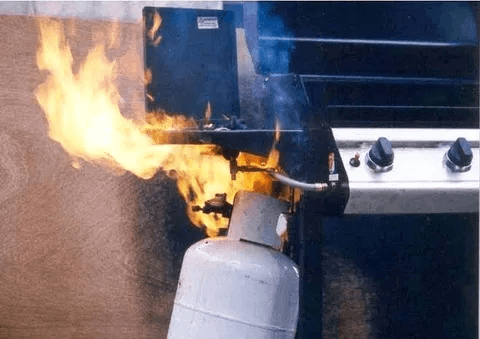
The use of gas stoves continues to grow rapidly across Nigeria, driven by their speed, convenience, and efficiency compared with traditional cooking fuels. However, alongside this shift, safety experts and emergency responders warn that gas-related fires and explosions remain a serious and sometimes fatal risk, particularly in densely populated urban areas. Recent incidents across several states have renewed attention on the dangers associated with improper gas handling and poor equipment maintenance, according to reports from emergency agencies and local media.
While liquefied petroleum gas, commonly known as cooking gas, has helped many households reduce cooking time and indoor smoke, it has also introduced hazards that are often underestimated. Gas explosions have been repeatedly linked to loss of life and property damage in Nigeria, making safety awareness a pressing public issue rather than a household concern alone.
Why Gas Use Is Increasing
Gas stoves have become more popular partly because they are faster and easier to control than kerosene or firewood. Many urban households also see gas as cleaner and more economical in the long term. According to energy analysts, rising fuel costs and efforts to move away from firewood for environmental reasons have further accelerated this transition.
However, experts note that safety education has not kept pace with adoption. According to reports from the Federal Fire Service, a significant number of domestic fires attended by its officers each year are linked to gas leaks, faulty cylinders, or improper handling of stoves.
The Hidden Risks Behind Convenience
Gas-related accidents typically occur when leaked gas comes into contact with an open flame or spark. In confined spaces, this can quickly trigger explosions. Fire service officials say many of these incidents are preventable, yet continue to happen due to worn-out equipment, overfilled cylinders, or a lack of basic safety checks.
In several reported cases, bystanders and neighbors have also been injured, highlighting how gas explosions often extend beyond the immediate household. This broader risk is one reason safety advocates are calling for stronger public awareness campaigns and tighter regulation of gas vendors.
What to Do if a Gas Fire Occurs
Contrary to popular panic-driven reactions, emergency responders emphasize that not all gas fires escalate into explosions if handled correctly. According to fire safety guidelines shared by local responders, a small gas fire can sometimes be put out if action is taken quickly and carefully.
One commonly recommended method involves using a thick towel soaked in water mixed with detergent. The towel should be thrown over the gas cylinder from the direction of the flames, cutting off oxygen and extinguishing the fire. Fire officers stress that this should only be attempted if the fire is small and the person is not putting themselves at serious risk. In many situations, evacuating the area and calling emergency services remains the safest option.
Prevention Remains the Best Protection
Safety professionals consistently point out that prevention is far more effective than emergency response. Routine checks and responsible use can significantly reduce the risk of gas-related incidents.
One key precaution is inspecting the gas nozzle and hose regularly. Cracks or wear can allow gas to leak unnoticed, creating a dangerous buildup. Experts also warn against filling gas cylinders to the brim. Overfilled cylinders are more likely to leak, especially when exposed to heat.
Another common issue is poorly maintained stoves. Burners that do not light properly or produce uneven flames can increase the risk of fire. According to technicians in the cooking gas industry, many households continue to use faulty stoves rather than replacing them, often due to cost concerns or lack of awareness.
Why This Matters Now
The renewed focus on gas safety comes at a time when more Nigerians are switching to gas as part of broader energy and environmental conversations. Government officials have repeatedly promoted gas as a transition fuel, making domestic safety an essential part of that policy push.
Public safety advocates argue that without stronger education and enforcement, the benefits of wider gas adoption could be overshadowed by preventable tragedies. According to emergency response data cited by local authorities, incidents spike during festive periods when cooking activity increases, suggesting that timing and public awareness campaigns could play a critical role.
Looking ahead, experts say there is a need for clearer standards for gas cylinder refilling, better regulation of roadside gas vendors, and more visible safety labeling on equipment. Some analysts also suggest mandatory safety briefings for first-time gas buyers, similar to practices in other countries.
In the meantime, households are urged to take personal responsibility for safety checks and to avoid shortcuts that could prove costly. As gas stoves become a permanent fixture in Nigerian kitchens, the challenge will be ensuring that convenience does not come at the expense of lives.
Add a Comment