

Login to view saved posts

Login to view saved posts
TrovNews
•Dec 18, 2025
Dec 18, 2025
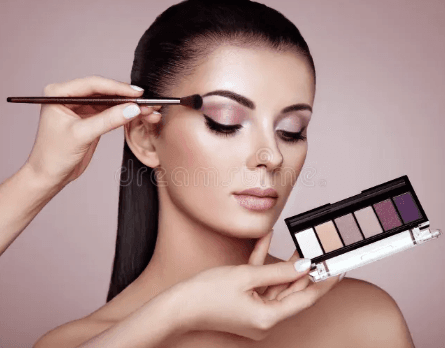
According to dermatology experts, the effect of makeup on the skin depends on several factors. These include the type of products used, how frequently they are applied, how long they remain on the skin, and individual skin sensitivity.
Many cosmetics contain ingredients that may weaken the skin’s natural protective barrier. Once this barrier is compromised, bacteria and other irritants can penetrate more easily. Over time, wearing makeup frequently without proper cleansing may lead to issues that affect the skin’s overall condition.
Pores are tiny openings around hair follicles and sweat glands that allow the skin to regulate oil and moisture. When makeup sits on the skin for extended periods, it can mix with oil, sweat, and dead skin cells.
This buildup may result in blackheads, whiteheads, bumps, and breakouts. Dermatologists note that repeated clogging can also make pores appear larger and more noticeable, especially on the nose, cheeks, and forehead.
Using products that do not match your skin type can disrupt oil balance. Heavy or oil-based formulas may increase sebum production, raising the risk of clogged pores and acne.
On the other hand, certain products can strip the skin of moisture. Severe dryness, known medically as xerosis, may cause rough patches, flaking, itching, or even cracked skin that bleeds in extreme cases.
Acne can be influenced by hormones, diet, stress, and lifestyle. Makeup may worsen existing acne or trigger more frequent flare-ups, particularly when products block pores.
Skin specialists advise people with acne-prone skin to limit makeup use when possible and choose oil-free, non-comedogenic products. Proper removal at the end of the day is also critical to prevent bacteria buildup.
Leaving makeup on for long hours can interfere with the skin’s natural renewal process. Experts explain that clogged pores may affect collagen and elastin production, both of which are essential for firm, youthful skin.
Sun exposure further compounds the problem. Studies indicate that up to 90 percent of visible skin aging is caused by ultraviolet rays. Dermatologists stress that makeup alone does not provide adequate sun protection. Daily sunscreen use is essential, as skipping it can accelerate wrinkles, uneven texture, pigmentation, and loss of skin elasticity.
Some cosmetic products may irritate or inflame the skin, leading to dark spots or post-inflammatory hyperpigmentation. Environmental pollution and sun exposure also contribute by generating free radicals that damage skin cells.
Loading related news...
Add a Comment