

Login to view saved posts

Login to view saved posts
TrovNews
•Dec 29, 2025
Dec 29, 2025
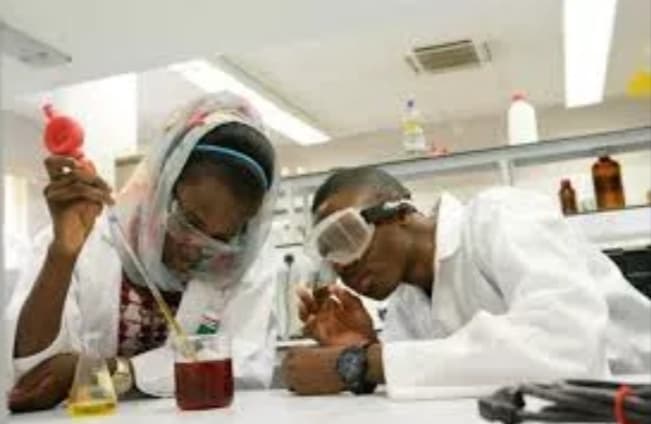
Abuja, Nigeria: The Nigerian Academy of Science (NAS) has raised concerns over the growing exodus of researchers and scientists from Nigeria, warning that the trend could seriously weaken the country’s research and development capacity.
In an interview on Monday, NAS Executive Secretary Oladoyin Odubanjo highlighted the issue, noting that while the migration of health workers often dominates headlines, the departure of young researchers is an equally pressing challenge.
“One of the big areas people are not talking about is the migration of researchers. Many of our young researchers are leaving in search of career opportunities, and other countries are taking them in. If we have no people, then there will be no research,” Odubanjo said.
Impact on Research Capacity
The loss of skilled scientists has direct implications for Nigeria’s research output. Odubanjo explained that scientific progress relies on mentorship and collaboration between senior and junior researchers. Without a critical mass of professionals, ongoing projects risk delays, and the development of new initiatives may stall.
Funding challenges have compounded the problem. According to Odubanjo, previous policies requiring research grants to pass through the Treasury Single Account (TSA) created significant obstacles for fieldwork and laboratory studies. “Even when researchers received grants, the funds went into the TSA, making it extremely difficult to access money for reagents or fieldwork, especially with approvals centralized in the Federal Capital Territory,” he explained. Delays in accessing funds, he added, often hindered data collection and stalled ongoing research.
Optimism for Reform
Despite these challenges, Odubanjo expressed cautious optimism that reforms and better funding mechanisms could help stabilize the sector. Recent policy changes easing TSA restrictions, he said, may improve access to research grants and boost productivity.
“With better policies, improved funding access, and initiatives aimed at retaining talent, we are hopeful that scientific research in Nigeria can gradually recover in the coming year,” he said.
Experts agree that addressing the brain drain requires both financial incentives and structural reforms. Dr. Amina Yusuf, a policy analyst specializing in higher education, noted, “Retention of skilled researchers is not just about money. Career growth opportunities, infrastructure, and streamlined funding processes are equally critical.”
The NAS warns that if the current trend continues unchecked, Nigeria risks falling behind in global scientific innovation, making reforms and talent retention urgent priorities for 2026.
Loading related news...
Add a Comment