


NAFDAC Warns of Rising Circulation of Banned Food Products in Nigerian Markets
TrovNews
•Dec 7, 2025
Dec 7, 2025
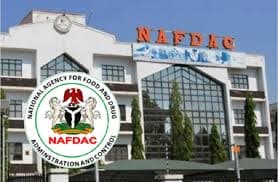
The National Agency for Food and Drug Administration and Control has issued a strong warning about the increasing presence of prohibited food items in markets across Nigeria. According to a press statement released on 6 December 2025, the agency said that products such as pasta, noodles, sugar, and tomato paste are appearing in local trade channels despite being listed on the Federal Government’s Customs Prohibition List.
Growing concerns over illegal imports
According to NAFDAC, the circulation of these items suggests a worrying surge in smuggling and unregulated distribution. The agency explained that these products have not passed mandatory safety and quality checks, which creates potential risks for consumers and undermines confidence in Nigeria’s food control system.
Officials noted that the prohibited items remain illegal to import, and any supply already in the country entered through unlawful channels. Reports from market inspections have shown that some supermarket chains and wholesalers may be unknowingly stocking these products.
Orders to traders and importers
NAFDAC has directed importers, market traders, distributors, and supermarket operators to immediately discontinue the sale of the affected goods. The agency further urged business owners to inform their supply chain partners to halt any movement or distribution of prohibited food products.
The statement warned that noncompliance will trigger strict enforcement actions. Sanctions may include seizure and destruction of offending goods, suspension or withdrawal of operational licences, and prosecution under existing food safety and trade regulations.
Part of the agency’s official communication read that the growing incidence of smuggling and sale of banned pasta, noodles, sugar, and tomato paste reflects a coordinated effort to bypass national controls. NAFDAC stressed that the listed products are clearly recognised by Customs as items not permitted for importation.
Call for interagency coordination
To strengthen enforcement, the agency appealed to several government institutions to heighten surveillance. These include the Nigeria Customs Service, Nigeria Immigration Service, Standards Organisation of Nigeria, Nigerian Ports Authority, Nigerian Maritime Administration and Safety Agency, Nigeria Shippers Council, and the Nigeria Agricultural Quarantine Service.
Improved collaboration among these bodies could help close the loopholes that allow smuggled food products to enter the supply chain. Food safety experts also observe that the growing demand for cheaper imported food may be encouraging distributors to source from unofficial routes.
Previous alerts on unsafe medical products
NAFDAC’s warning follows a series of recent alerts on falsified pharmaceuticals in circulation. According to Punch and other outlets that have reported on the issue, the agency had earlier identified counterfeit versions of Postinor 2, an emergency contraceptive containing levonorgestrel 0.75 milligrams. The falsified samples carried batch numbers T36184B and 332 with the registration number 04-6985, even though they were never imported by the legitimate marketing authorisation holder.
The agency also uncovered a falsified batch of Chloroquine Phosphate tablets in Jos. Laboratory analysis showed that the tablets contained no active pharmaceutical ingredient despite bearing the registration number 04-8769, which officials later confirmed was invalid.
In another safety alert, NAFDAC reported the discovery of counterfeit Trastuzumab, known under the brand name Herceptin 600 milligrams per 5 millilitres. The falsified product, which was identified in Ghana and linked back to Nigeria, carried batch number A8519 that did not match any authentic production records from the original manufacturer.
Public health experts say these repeated discoveries highlight continuing pressure on Nigeria’s regulatory and border-control systems. The presence of falsified medical products and unapproved food imports not only threatens consumer safety but also complicates the work of health professionals who rely on quality-assured products.
NAFDAC reiterated its commitment to protecting consumers and appealed to the public to report suspicious goods through its official complaint channels.
Add a Comment