


Libyan driver arrested for attempted snuggling of nine women
Posted by
Emmanuella
•Jan 5, 2026
Jan 5, 2026
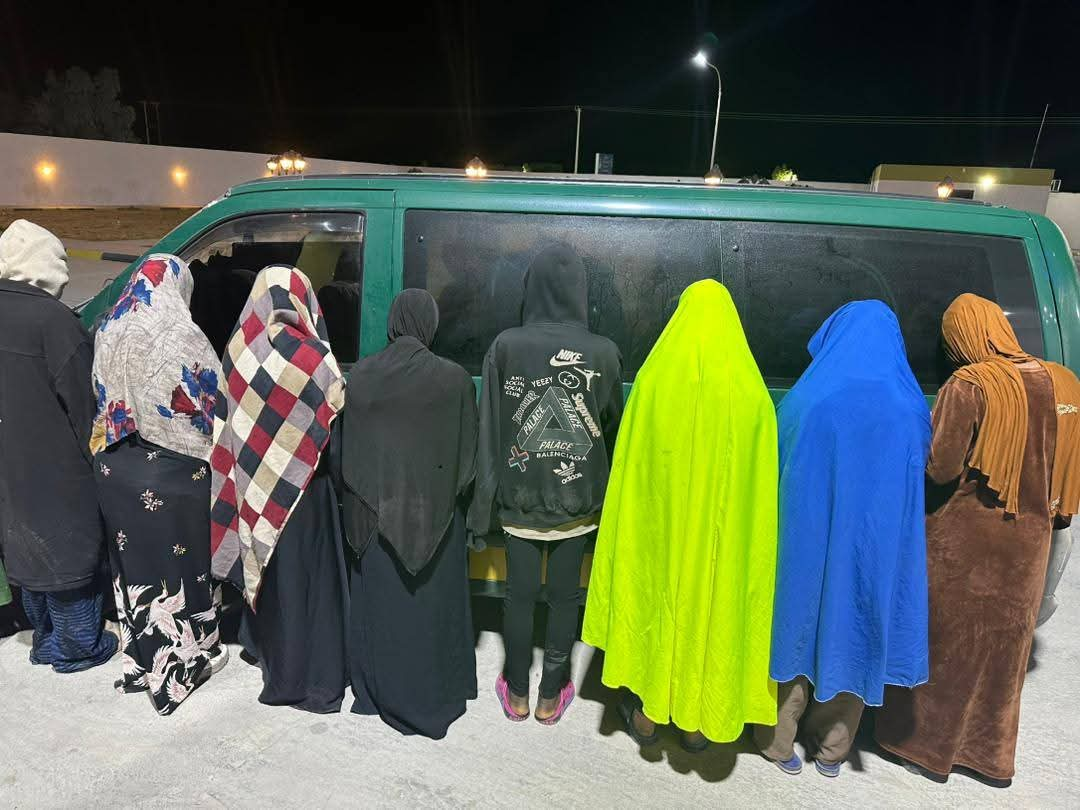
Libyan security operatives have arrested a Libyan driver accused of attempting to smuggle nine undocumented female migrants from Nigeria, in an operation that underscores the continuing dangers along North African migration corridors and renewed efforts by local authorities to curb irregular movement.
According to Migrant Rescue Watch, an organisation that tracks migrant activity and enforcement actions in Libya, the arrest occurred during a routine stop and search operation at security gates in the Al Jufra district. Officials intercepted the vehicle after detecting irregularities during checks, leading to the discovery of the women, who were reportedly travelling without valid documentation.
The incident took place on January 2, 2026, at a time when Libyan authorities have intensified road surveillance across key transit zones used by smugglers moving migrants between southern Libya and coastal departure points.
Arrest and transfer to security authorities
Migrant Rescue Watch reported that both the driver and the nine women were taken into custody at the checkpoint and later transferred to the Al Jufra Security Directorate. The directorate is expected to handle investigations and any subsequent legal proceedings in line with Libyan law.
While further details about the intended destination of the group were not disclosed, Al Jufra sits along a strategic inland route frequently used by smuggling networks transporting migrants from southern border regions toward northern cities and the Mediterranean coast.
Libyan authorities have not yet released the identity of the suspect or clarified whether additional individuals are being sought in connection with the case.
Why Al Jufra matters in Libya migration routes
Al Jufra, located in central Libya, has emerged as a critical junction in irregular migration flows over the past decade. The district links southern desert routes, often accessed from Niger and Chad, with northern corridors leading to Tripoli, Misrata, and other coastal areas.
According to migration analysts, smugglers increasingly rely on trusted local drivers familiar with desert terrain and security patterns. Checkpoints in Al Jufra therefore play a crucial role in disrupting these movements before migrants reach areas where oversight becomes weaker.
A regional migration researcher, who spoke on condition of anonymity due to security concerns, said inland interceptions often receive less attention than dramatic Mediterranean rescues but are equally significant.
“These arrests indicate pressure being applied earlier in the migration chain,” the analyst explained. “When authorities intervene inland, it can prevent migrants from being exposed to even more dangerous conditions closer to the coast.”
Nigerian migrants and regional pressures
Nigerians remain among the most vulnerable groups travelling through Libya, driven by a mix of economic hardship, insecurity, and limited legal migration pathways. Many migrants begin their journey through Niger before entering southern Libya, where they face risks ranging from exploitation to detention.
Although the nine women intercepted in Al Jufra were described as undocumented, their individual circumstances remain unclear. Rights groups have repeatedly stressed that women migrants are particularly exposed to abuse during transit, including trafficking and forced labour.
Migrant Rescue Watch has previously documented cases in which female migrants were transported under false promises of employment or safe passage, only to find themselves trapped by smuggling networks.
Enforcement efforts and human rights concerns
Libyan authorities have, in recent months, stepped up road patrols and checkpoint inspections amid international pressure to control irregular migration. These efforts are often supported through coordination with local security units rather than a unified national force, reflecting Libya’s fragmented governance structure.
However, human rights organisations have urged authorities to balance enforcement with protections for migrants. Past reports have highlighted concerns about detention conditions and access to legal representation for undocumented migrants intercepted inside Libya.
According to a North Africa policy observer, cases like the Al Jufra arrest raise questions about what happens after interception.
“The critical issue is not only stopping smugglers,” the observer said. “It is also ensuring that migrants, especially women, are treated humanely and given access to protection mechanisms where needed.”
Broader implications and what to watch next
The January 2 arrest may signal tighter monitoring of inland routes at the start of 2026, a period when smuggling networks often regroup after end-of-year slowdowns. Analysts say traffickers frequently test security patterns in early January, making enforcement actions during this period particularly notable.
If investigations confirm organised smuggling activity, the case could lead to further arrests or reveal links to larger networks operating across central and southern Libya. Observers will also be watching whether Libyan authorities provide updates on the legal status of the women and any safeguards put in place during their detention.
For Nigeria and other countries of origin, the incident highlights the persistent pull factors driving irregular migration and the limited effectiveness of awareness campaigns alone. Without expanded legal migration channels or stronger economic conditions at home, experts warn that smuggling routes are likely to adapt rather than disappear.
Libya has long served as a major transit country for migrants attempting to reach Europe, particularly since the collapse of central authority following the 2011 uprising. Despite periodic crackdowns, smuggling networks continue to operate, exploiting vast desert borders and political instability.
Previous enforcement actions in central Libya have shown mixed results, with some routes temporarily disrupted only to re-emerge elsewhere. The Al Jufra arrest fits into this broader pattern of shifting pathways rather than a definitive end to smuggling activity.
The arrest of a Libyan driver accused of smuggling nine Nigerian women in Al Jufra underscores both the scale of irregular migration through Libya and the ongoing efforts to curb it. While the interception may prevent immediate harm to those involved, it also highlights deeper structural challenges, from migrant protection to the resilience of smuggling networks. As investigations continue, attention will focus on how authorities handle the legal process and whether such actions translate into lasting changes along Libya’s migration routes.
Add a Comment