

Login to view saved posts

Login to view saved posts
Posted by
Emmanuella
•Jan 5, 2026
Jan 5, 2026
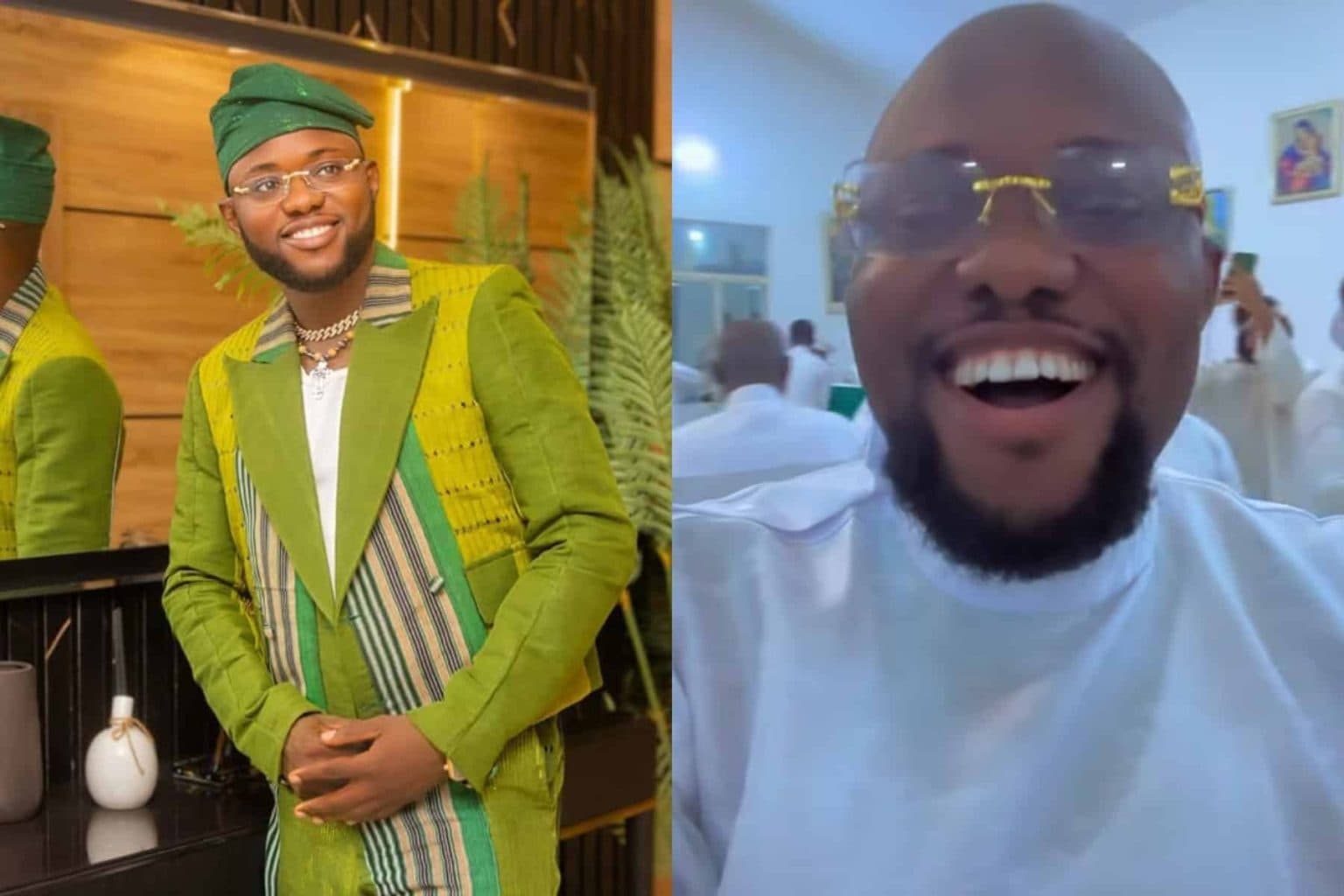
Nollywood actor and filmmaker Jamiu Azeez has spoken publicly after a wave of criticism and speculation followed the circulation of a video showing him attending a church service, a development that quickly ignited debate about his religious identity.
The controversy began after the video, which showed Azeez dressed in a white outfit during a crossover night church service, spread widely across social media platforms. As the clip gained traction, some users, particularly within sections of the Muslim community, questioned whether the actor had converted from Islam to Christianity. Others went further, calling on him to change his name and explain his faith publicly.
The online reaction was swift and polarized. While some fans defended Azeez’s right to personal expression, critics accused him of abandoning his religious roots. According to reports, the discussion extended beyond comment sections into private messages, with the actor receiving direct criticism in his inbox.
On Sunday, January 4, Azeez addressed the situation directly through posts on his social media accounts, offering his first personal response since the video went viral. He shared screenshots of messages and comments he had received, illustrating the intensity of the backlash and the deeply personal nature of some of the reactions.
In his response, Azeez emphasized that his religious beliefs are a private matter and insisted that he had never publicly announced any change in faith. He urged the public to respect personal boundaries, noting that attendance at a religious gathering should not automatically lead to assumptions or public judgment.
“It’s only in Nigeria people are so bothered about another person’s life,” Azeez wrote on his Instagram story. “Imagine telling a man in his 40s how to live his life.”
He added that the response to the video had been overwhelming, particularly on certain platforms. “I posted myself in white garment on the crossover night and mehn, the comments I have been reading on blogs, especially on Facebook, are crazy,” he wrote. According to Azeez, some critics even took their grievances to his direct messages, challenging his choices and questioning his identity.
The actor also pushed back against the idea that his personal decisions required public approval. “Some even came to my DM to drag me,” he said. “I can choose to practise any religion and that should not be anyone’s problem. I never even came out to say I have converted.”
While addressing the criticism, Azeez adopted a light tone at moments, joking that he could just as easily wear traditional spiritual clothing if he chose to. The remark appeared to underline his broader point that personal expression should not be policed or interpreted through rigid assumptions.
The episode has once again highlighted the scrutiny Nigerian celebrities face, particularly when issues of religion intersect with public life. Nigeria remains a deeply religious society, with strong Christian and Muslim communities, and public figures often find their personal choices magnified and debated in ways that private citizens may not experience.
According to media analysts, controversies like this reflect a wider tension between individual freedom and communal expectations. Lagos based cultural commentator Sola Adeyemi said public figures in Nigeria often struggle to separate their private lives from public perception. Adeyemi noted that religious identity is frequently treated as a communal matter rather than a personal one, especially when celebrities are involved.
“Faith in Nigeria is not just personal, it is social,” Adeyemi explained. “When a well known figure appears to cross perceived boundaries, it can trigger emotional reactions. However, the law and basic human rights are clear that freedom of religion includes the right to privacy.”
Azeez’s response also comes at a time when social media continues to blur the line between public interest and personal intrusion. According to reports, online debates around celebrities’ beliefs, marriages, and lifestyles have become more common, often fueled by short video clips that lack context but spread rapidly.
For Azeez, who has built a career both in front of and behind the camera, the incident raises broader questions about how much access the public should have to a celebrity’s inner life. While he did not indicate whether he would take further steps to address the controversy, his comments suggest a firm stance on maintaining personal boundaries.
The development matters now because it touches on ongoing conversations about tolerance, privacy, and the pressures placed on public figures in Nigeria’s digital age. As social platforms continue to amplify personal moments, celebrities are increasingly forced to clarify issues they may never have intended to make public.
Observers will be watching to see whether the controversy subsides or prompts wider discussion within the entertainment industry about managing faith related scrutiny. Some industry insiders believe actors and musicians may become more cautious about sharing personal moments online, while others argue that the focus should be on educating audiences about respecting individual choices.
For now, Azeez appears determined to move forward without engaging further in speculation. His message, stripped of humor and frustration alike, was clear: his faith is not open for public debate, and he does not owe anyone an explanation.
Loading related news...
Add a Comment