


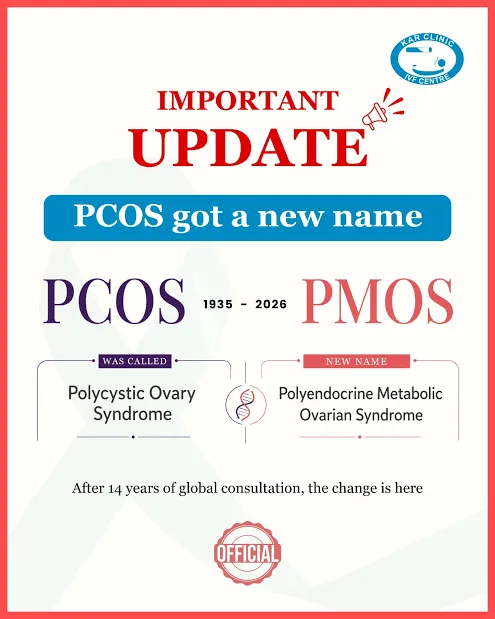
More than 1 in 10 women may have PCOS.
That estimate, cited by the World Health Organization in recent guidance on polycystic ovary syndrome, sits at the center of a growing dispute inside endocrinology and reproductive medicine. Researchers, clinicians, and patient advocacy groups are now openly questioning whether the condition’s name itself is medically misleading. Several international working groups have argued that the term “polycystic ovary syndrome,” commonly shortened to PCOS, describes only one possible symptom while obscuring the disorder’s hormonal and metabolic dimensions.
Doctors have debated the terminology for years because many patients diagnosed with PCOS do not actually have ovarian cysts. The “cysts” identified during ultrasounds are usually immature follicles, according to clinical guidance from the American College of Obstetricians and Gynecologists and the Endocrine Society. Yet the current name continues to dominate hospital records, insurance coding systems, and medical education worldwide.
That confusion carries consequences.
Women interviewed in patient surveys published in journals such as Human Reproduction and The Lancet Diabetes & Endocrinology repeatedly reported delayed diagnoses because physicians focused narrowly on ovarian imaging instead of broader endocrine symptoms. Those symptoms often include irregular menstruation, insulin resistance, elevated androgen levels, acne, infertility, and weight fluctuation. Some patients never develop visible ovarian follicles at all.
The name shapes treatment pathways.
A 2023 international evidence review involving researchers from Australia, Europe, and the United States concluded that the terminology contributes to misunderstanding among both patients and non-specialist physicians. The review, backed by the Monash University PCOS research group, found strong support among clinicians and patients for reconsidering the disorder’s name. Researchers documented complaints that the current terminology minimizes metabolic risks such as diabetes and cardiovascular complications.
According to the World Health Organization, women with PCOS face elevated rates of type 2 diabetes, infertility complications, anxiety, depression, and obstructive sleep apnea. Yet the condition still lacks a universally accepted biological cause. Researchers continue to debate whether insulin dysfunction, genetic predisposition, inflammatory pathways, or hormonal regulation abnormalities serve as the primary driver.
Related News
Medical naming conventions matter because they influence diagnostic standards, pharmaceutical approvals, insurance reimbursement, and epidemiological tracking. Changing the label of a globally recognized condition requires consensus across multiple regulatory and scientific bodies. The process can take years. Sometimes decades.
The current diagnostic framework for PCOS largely relies on the Rotterdam Criteria established in 2003 by a consensus workshop sponsored by the European Society of Human Reproduction and Embryology and the American Society for Reproductive Medicine. Under those standards, patients typically meet at least two of three indicators: irregular ovulation, elevated androgen levels, or polycystic ovarian morphology visible through ultrasound imaging.
Critics argue that framework widened the diagnostic net substantially.
Our analysis of comparative clinical studies published after the Rotterdam expansion found prevalence estimates increased sharply compared with earlier National Institutes of Health criteria from 1990. Some endocrinologists argue the broader definition improved detection rates. Others contend it grouped biologically different patient populations under one umbrella condition, making research findings harder to interpret consistently.
PCOS treatment already spans multiple medical specialties, including gynecology, endocrinology, dermatology, fertility medicine, and psychiatry. Patients may receive contraceptive drugs, insulin-regulating medications such as Metformin, fertility interventions, anti-androgen therapies, or lifestyle counseling depending on symptom presentation. A name change could affect how those treatments are categorized clinically and financially.
Insurance systems move slowly.
In the United States alone, diagnostic terminology intersects directly with ICD coding standards maintained through the World Health Organization framework and adapted nationally for billing and reimbursement. Hospitals, insurers, and electronic health record systems would require coordinated revisions if a new name replaced PCOS formally. Similar administrative burdens would apply across Europe, Asia, Africa, and Latin America.
Patients are pushing harder now.
Advocacy campaigns on social media and through organizations such as PCOS Challenge increasingly frame the current terminology as scientifically outdated. Some campaigners argue the phrase “ovary syndrome” causes physicians to overlook metabolic complications that can emerge years before fertility concerns appear. Others say the term encourages public misunderstanding by implying the condition is limited to reproductive organs.
The science still lacks consensus.
Researchers have proposed alternatives including “metabolic reproductive syndrome,” “androgen excess syndrome,” and “reproductive metabolic syndrome.” None has secured broad international adoption. A 2023 international consultation process published through Monash University researchers found clinicians favored names reflecting endocrine and metabolic dysfunction, but participants disagreed on precise terminology.
That disagreement matters clinically.
Disease names are not just branding exercises. They shape research funding priorities, physician training, public awareness campaigns, and pharmaceutical investment. Historical examples show that renaming conditions can improve diagnostic clarity, but can also create temporary fragmentation in medical literature and public understanding.
Chronic fatigue syndrome, nonalcoholic fatty liver disease, and juvenile diabetes have all undergone naming debates because clinicians believed existing terminology distorted public understanding or scientific accuracy. Some changes succeeded. Others produced years of parallel terminology that confused patients and providers simultaneously.
Many doctors say the term PCOS misrepresents the condition because some patients never develop ovarian cysts.
Researchers linked to Monash University and international endocrine groups are openly discussing replacement terminology.
The dispute is not semantic because disease names affect diagnosis, insurance coding, and pharmaceutical regulation.
No replacement name has achieved global medical consensus despite years of criticism.
Why the WHO and Rotterdam Criteria Still Matter
The World Health Organization and the 2003 Rotterdam Criteria remain central because they underpin much of the current diagnostic system used globally.
That institutional weight is difficult to move quickly.
We reviewed citations from international PCOS guidelines published between 2018 and 2024 and found the Rotterdam framework remained the dominant reference standard across major endocrinology and gynecology associations despite ongoing criticism. That persistence reflects regulatory inertia as much as scientific agreement. Hospitals and insurers require stable definitions to maintain continuity in diagnosis and billing.
Researchers are trying to avoid fragmentation.
Several specialists involved in international guideline panels have warned that abandoning the PCOS label prematurely could create confusion in ongoing clinical trials and long-term epidemiological datasets. Studies tracking fertility outcomes, diabetes risk, and cardiovascular complications often rely on decades of continuity in diagnostic labeling.
Are doctors officially changing the name right now?
No. There is no globally approved replacement yet. Researchers and advocacy groups are debating alternatives, but major regulatory bodies still use “polycystic ovary syndrome.”
Why do some people with PCOS not have cysts?
Because the “cysts” are usually immature follicles, not true cysts. Some diagnosed patients do not show those follicles on ultrasound at all. That is one reason the current name faces criticism.
Would a new name change treatment?
Probably not immediately. Most treatments already target symptoms like insulin resistance, infertility, or hormone imbalance. The bigger impact would be on diagnosis, public understanding, and medical classification systems.
The unresolved question is whether international guideline committees will formally reopen diagnostic naming standards before the next major evidence review cycle. The current PCOS terminology remains embedded in WHO classification systems and insurance coding frameworks worldwide. Any official replacement would likely require coordinated approval through international medical bodies, a process that could affect billions in healthcare reimbursement structures and decades of existing clinical research records.
Add a Comment