


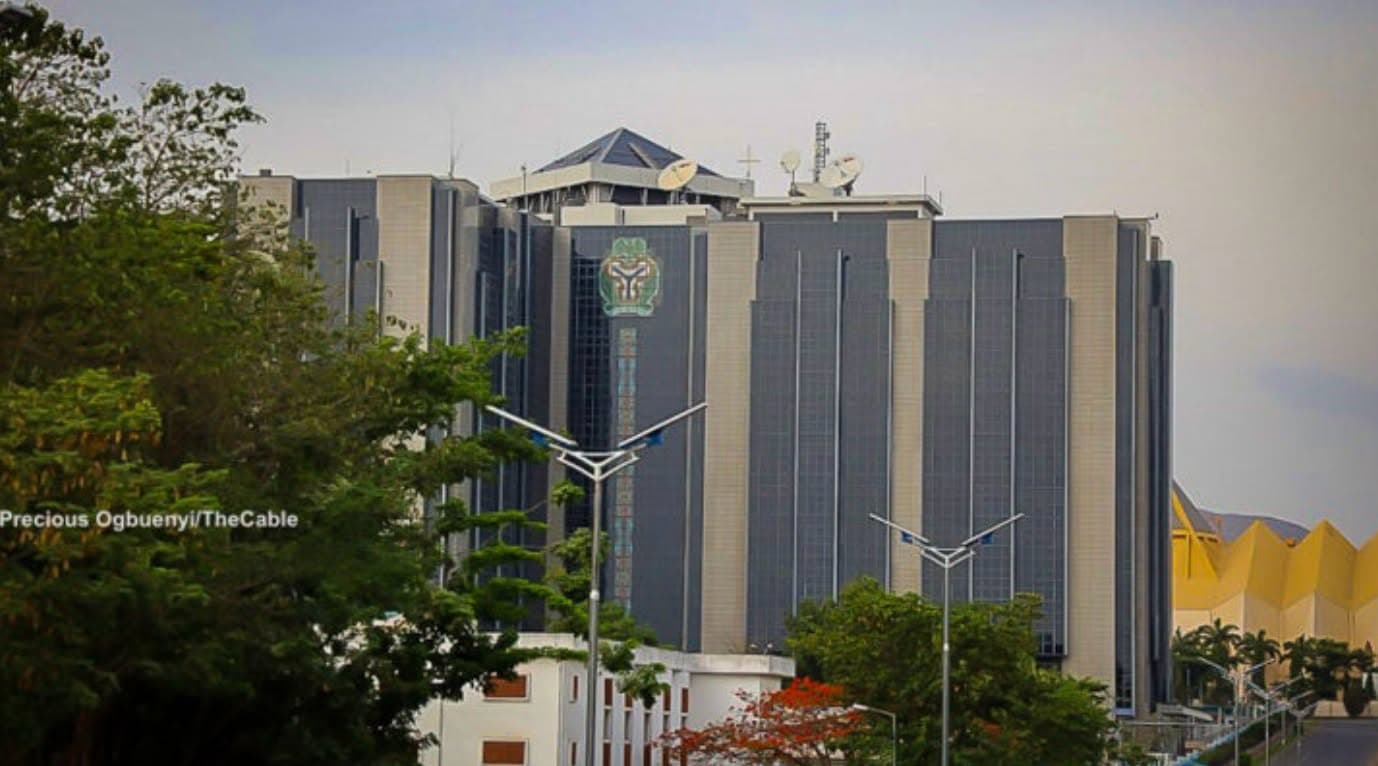
The Central Bank of Nigeria approved the printing of 5.71 billion banknotes in 2025. That figure marks a 20.5 per cent jump from the 4.74 billion notes authorized the year before, according to the apex bank's 2025 Annual Report and Statement of Accounts.
The scale of the increase matters because it lands in the middle of a national push toward digital payments. Nigeria's central bank has spent years urging citizens to move money electronically. Yet the report shows the country's appetite for physical cash growing, not shrinking, and foreign firms doing most of the printing to keep up with it.
Two billion of the approved notes, or 35 per cent, went to the Nigerian Security Printing and Minting Plc, the country's domestic mint. The remaining 65 per cent, roughly 3.71 billion notes, was assigned to foreign High Security Printers. That split alone tells a story. Nigeria still cannot print most of its own currency at the volume it needs.
By December 31, NSPM had delivered 1.24 billion banknotes to the CBN, worth N368.83 billion. That is 62 per cent of its assigned order. The domestic mint still owed 760.76 million banknotes, or 38 per cent of its allocation, when the year closed.
Foreign printers moved faster on their original contract. They completed delivery of 2.21 billion banknotes across the N1,000, N500 and N200 denominations, according to the report. But a second, later order complicates the picture.
A Late Order Still Unfinished
In November 2025, the CBN placed a supplementary order for 1.5 billion additional banknotes with its foreign printing partners. As of December 31, that order was still in production. The report gives no completion date.
Add it up and 3.45 billion of the 5.71 billion approved banknotes had reached the CBN by year's end. That is about 60 per cent of the total. The other 40 per cent, spanning both the unfinished domestic allocation and the new foreign contract, remained outstanding as 2025 closed.
Related News
The report does not say what the CBN paid for any of this. No unit cost, no total contract value, no currency of payment for the foreign orders. It is a gap that stands out given how much of the printing volume sits with overseas suppliers.
Cash Still King, Despite the Push for Digital
The report frames the expanded printing programme as a response to genuine need: replacing worn banknotes, meeting seasonal demand spikes around festive periods, and keeping bank branches stocked for customers. Mobile transfers and electronic payments have grown sharply in Nigeria in recent years. The cash order suggests they have not replaced physical currency as a daily transaction tool, at least not yet.
Industry sources cited in the report linked the increase to the need for adequate legal tender to support a growing economy. They also pointed to something less flattering: Nigeria's continued reliance on foreign capacity for its own currency. NSPM's shortfall, 760.76 million notes still undelivered as of December 31, is one measure of that dependency.
Cardoso's Framing
CBN Governor Olayemi Cardoso used the report to highlight what he called the bank's two biggest achievements of the year: stability in the foreign exchange market and a moderation in inflation. "The Bank remained focused on curbing inflation, strengthening the financial sector, and stabilising the naira to firmly position the economy on a path toward sustainable growth," Cardoso said, according to the report.
He credited the progress to "renewed confidence in the policy measures introduced to restore stability in the foreign exchange market and the effectiveness of the Bank's monetary policy decisions."
Cardoso thanked President Bola Ahmed Tinubu, the National Assembly, the Federal Executive Council and CBN staff for backing the reforms carried out during the year. He said the bank's achievements "would not have been possible without the continued support" of the president, and commended the "Board, Management, and staff of the Bank for their support, ingenuity, and diligent service."
None of that commentary addresses the printing figures directly. The report pairs the currency data with the governor's broader remarks on monetary policy, but offers no explanation from Cardoso or any other CBN official for why banknote production rose by more than a fifth in a single year, or why domestic capacity continues to lag behind the volumes foreign printers deliver.
What's Still Unclear
The CBN has not disclosed a completion date for the 1.5 billion banknotes ordered from foreign printers in November. It has not said when NSPM will clear its remaining 760.76 million-note backlog. And it has released no cost figures for either the domestic or foreign printing contracts, information that would let the public weigh the price of this cash expansion against the bank's stated inflation and stability goals. Until the CBN publishes those numbers, the full scale of what this printing programme cost, and who ultimately bore that cost, remains outside public view.
Add a Comment